Workplace vision screening in Yaoundé: a guide
Short answer: Workplace vision screening is a quick check of employees' eyesight, done at their place of work. It spots people who may not see well without knowing it and invites them to a full eye exam. It does not diagnose anything. In Yaoundé, Niss Optique Médical offers this service: ask for a quote on WhatsApp at 699 27 75 97.
What is workplace vision screening?
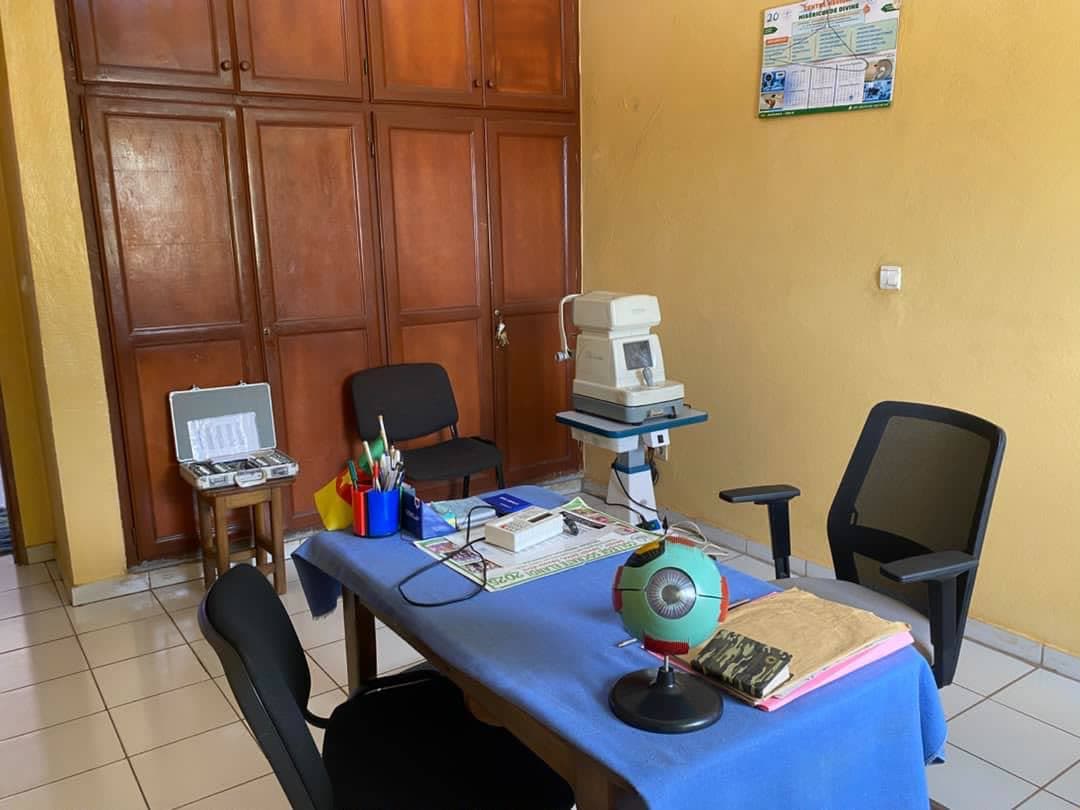
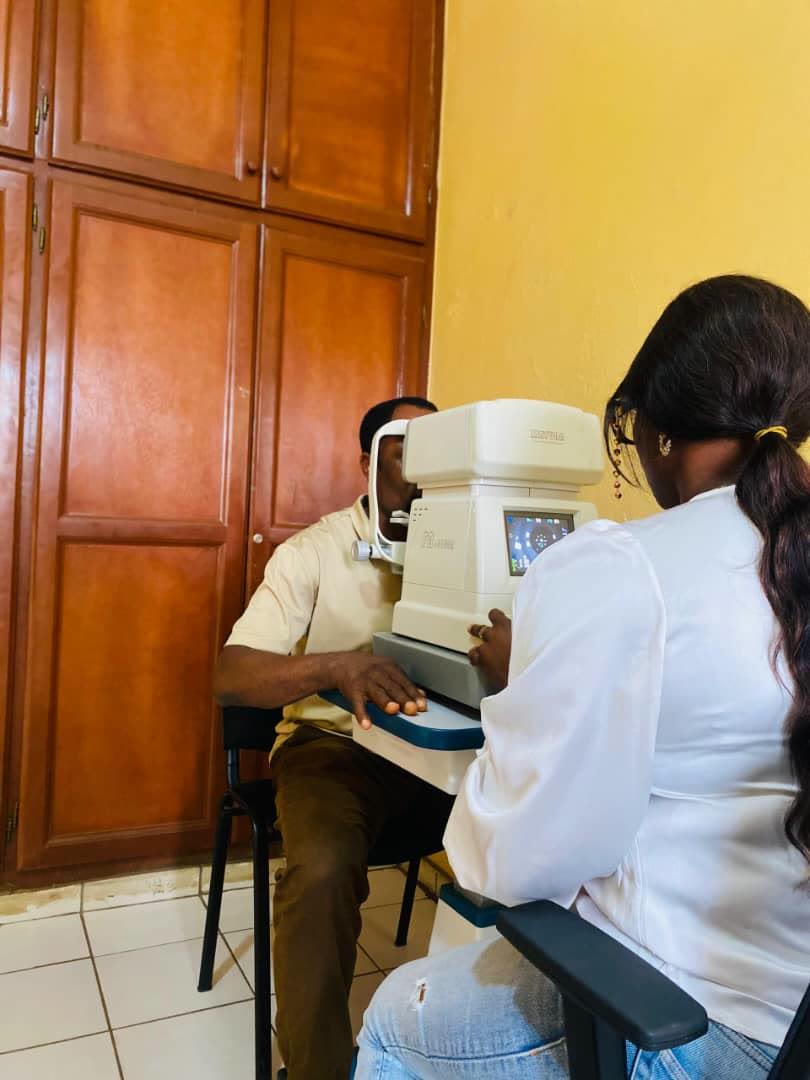
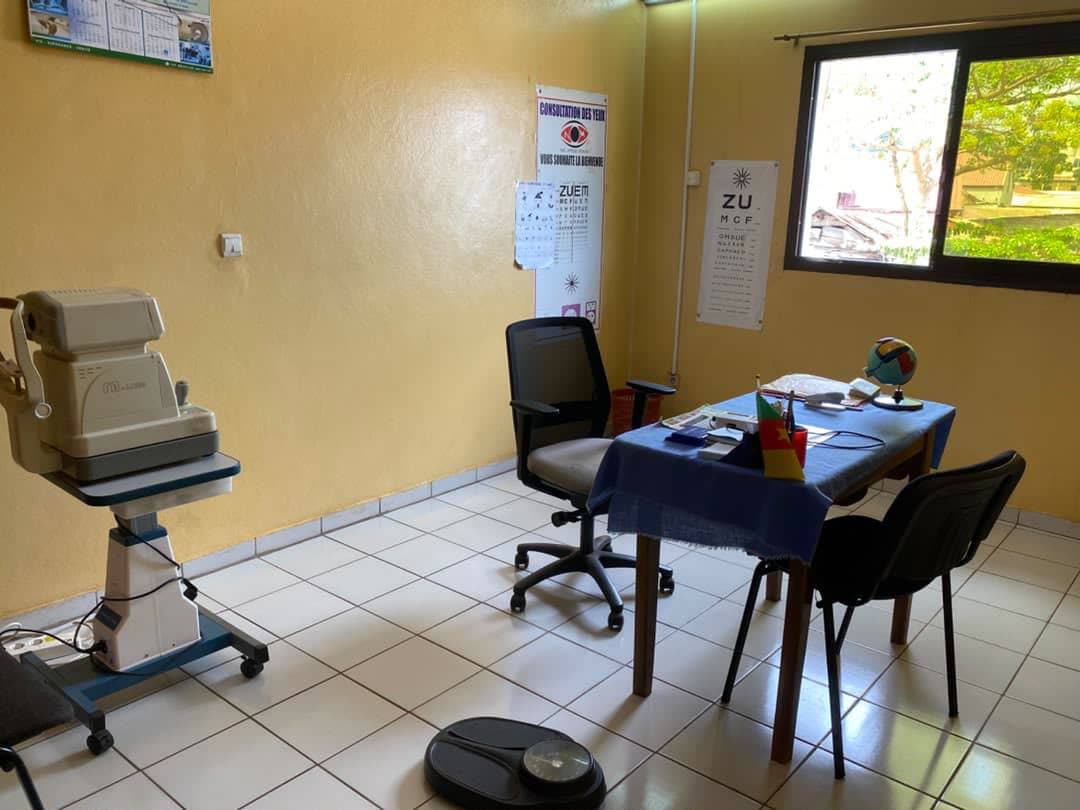
It is a quick eyesight check held at the workplace to spot employees who may need a proper eye exam. Nobody has to travel: the screening comes to the team, somewhere between one meeting and the next cup of coffee. It diagnoses nothing; it points people in the right direction.
In France, workplace screening services follow the same pattern: a session on site, a few vision tests, then a referral to a health professional if needed. The idea works the same way in Cameroon, with one clear advantage: your staff do not have to cross Yaoundé in rush-hour traffic just to find out whether they see well.
Why check your employees' eyesight?
Because many people see less well than they think, and do not know it. The World Health Organization (WHO), in its fact sheet on blindness and vision impairment updated in February 2026, estimates that at least 2.2 billion people worldwide have a near or distance vision impairment, and that for at least a billion of them it could have been prevented or has not yet been addressed.
WHO adds that uncorrected refractive error remains a leading cause of vision impairment in every country, among children and adults alike. For near vision, it estimates that the rate of unaddressed impairment is above 80% in western, eastern and central sub-Saharan Africa. At a desk, that looks like someone squinting at a screen or a file and telling themselves it will pass.
WHO also puts a figure on the cost: about US$411 billion of lost productivity every year worldwide because of vision impairment. It points out that glasses for refractive error are among the most cost-effective of all health-care interventions. Your company will not move that number on its own, but a purchase order read wrong already costs enough.
Which employees benefit most?
In theory, everyone. In practice, four groups come up again and again.
- People who work at a screen all day: office staff, accounting, secretarial work, customer service.
- People who read a lot of paper up close, and have started holding it further away to see it clearly.
- People whose daily tasks depend on good sight, such as drivers or machine operators.
- People who have never had their eyes tested. "I see perfectly well" is an opinion, not a measurement.
Presbyopia, the loss of close-up focus that comes with age, is according to WHO the main cause of near vision impairment, affecting 826 million people worldwide.
Do screens damage your eyes?
Not permanently. According to the Health and Safety Executive (HSE), Britain's workplace safety regulator, display screen work does not cause permanent damage to the eyes. Long spells of it can, however, lead to tired eyes, discomfort, temporary short-sightedness and headaches.
The HSE also notes that screen work is visually demanding and can make people aware of eyesight problems they had not noticed before, including changes that come with age. Its advice: a well-positioned and properly adjusted screen, suitable lighting and regular breaks. In the UK the law requires employers to arrange an eye test for screen users who ask for one, and to pay for it. We say nothing here about Cameroonian regulations.
Screening and good habits go together: up-to-date glasses do not replace the break, and the break does not replace the glasses.
What does a vision screening not do?
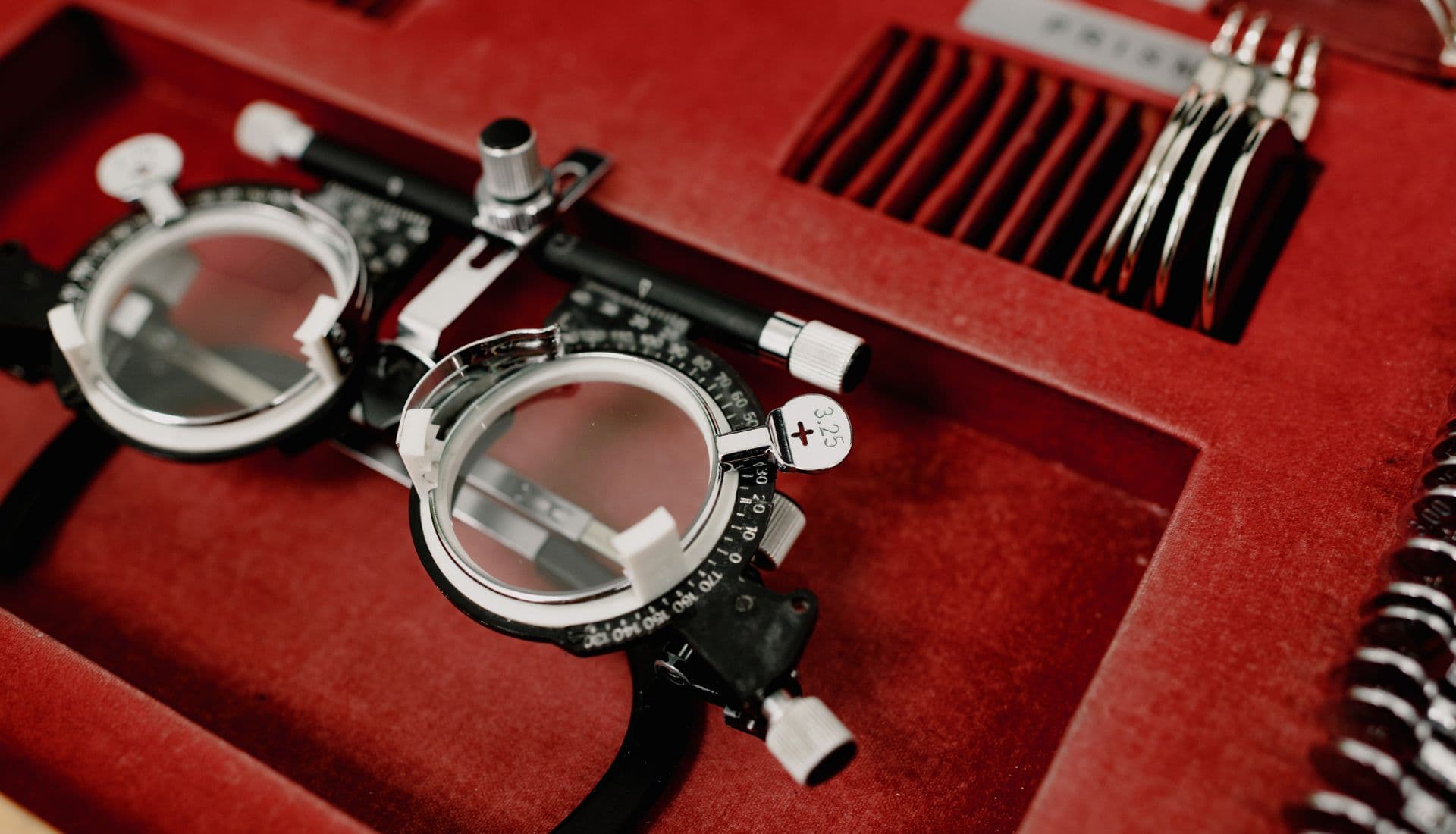
It does not diagnose, it does not prescribe and it does not replace an eye exam. A screening sorts people: "all fine for now" or "better to look further". Only a full exam, with a measurement of the refraction, can establish a prescription. This article is general information and does not replace an eye exam.
And if an employee has pain, a red eye or a sudden loss of vision, that is not a job for a workplace screening: they should see an ophthalmologist without delay.
A screening is a doorman, not a doctor: it tells you which door to push, not what is behind it.
How do I organise a screening at my company?
A few decisions are enough, made before the day. The exact format (length, number of people, what the screening includes) is then agreed with the practice.
- Count the employees involved and choose a quiet room where they can be seen one at a time.
- Tell them a few days ahead, and make clear that taking part is voluntary.
- Plan one slot per person, so you do not block a whole department.
- Decide in advance what happens next: an employee who needs an exam is invited to come to the practice.
- Respect privacy: an employee's result belongs to them.
A good screening is mostly a well-announced one: nobody should watch a stranger with a torch walk up to the photocopier.
How do I request a screening from Niss Optique Médical?
Write to the practice or call. Niss Optique Médical, a licensed optical practice, offers workplace vision screening, and screening in schools as well. Tell them how many employees are involved, where your company is in Yaoundé and which dates you can free up. No screening price is published here: for a quote, message 699 27 75 97 on WhatsApp, or call 651 10 22 00 or 651 88 59 90.
The practice is at Descente Fanta Citron, Mvog-Ada, opposite the Direction des Mines, open Monday to Friday, 8:30 to 17:30, Saturday and public holidays, 9:00 to 15:30, and Sunday by appointment.
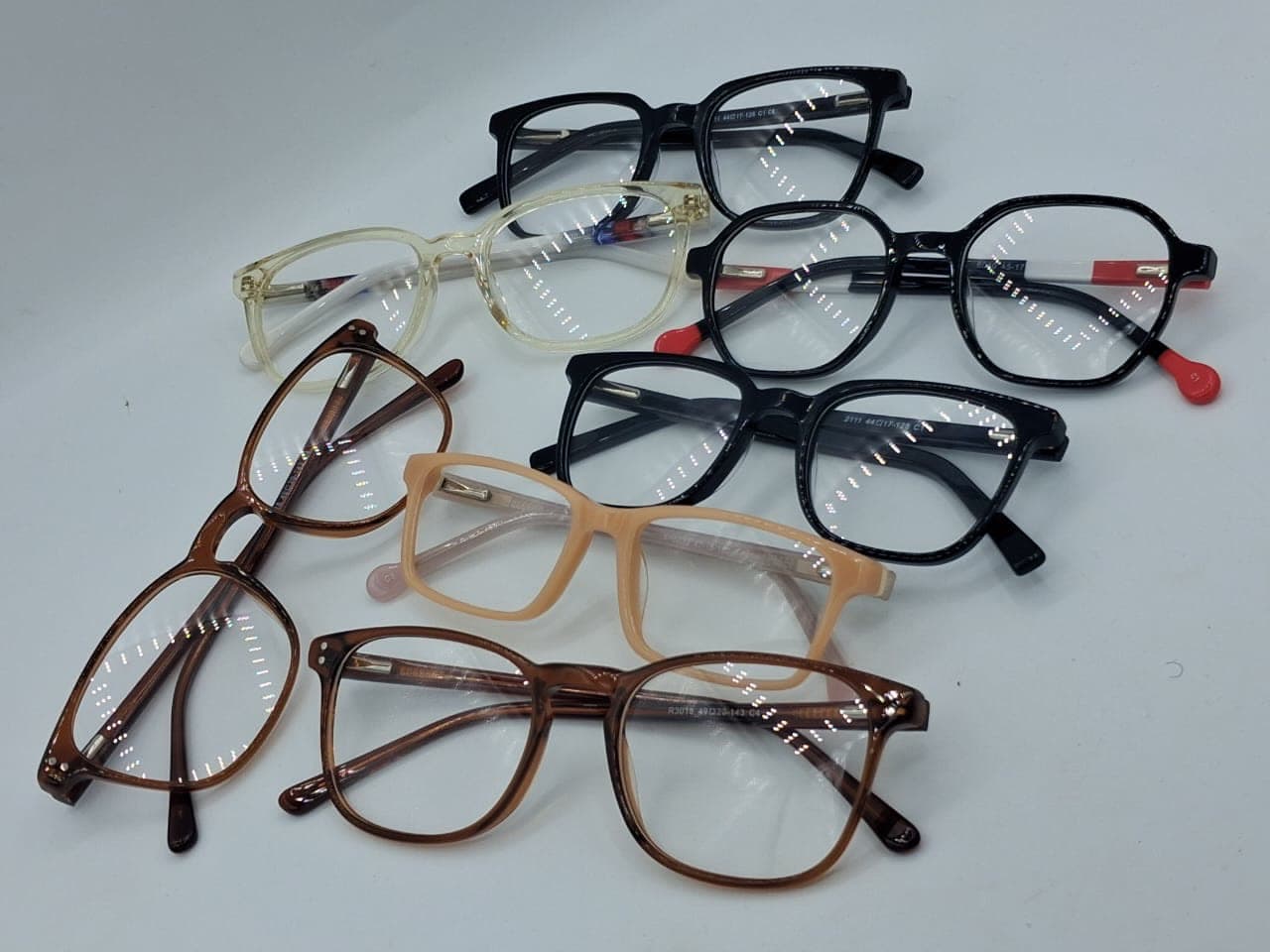
For an employee who needs an exam after the screening, it is carried out at the practice by a refracting optician registered with the ONOC, Cameroon's national order of opticians. It costs 5,000 XAF, and it is free if the glasses are bought the same day. Frames range from 10,000 to 100,000 XAF and the pair is ready in 24 hours. You can pay in instalments, as long as everything is settled before collection. Special-order lenses take 10 working days.
Frequently asked questions
- Do screens permanently damage your eyes?
- According to the UK's HSE, display screen work does not cause permanent damage to the eyes. Long spells can still lead to tired eyes, discomfort, temporary short-sightedness and headaches.
- What happens if an employee needs glasses?
- They are invited to have an eye exam at the practice, then to choose a pair if they need one. The exam costs 5,000 XAF and is free if the glasses are bought the same day. The pair is ready in 24 hours.
- How much does workplace vision screening cost?
- The practice does not publish a price. Message 699 27 75 97 on WhatsApp with the number of employees and the location to get a quote.
- Does a screening diagnose an eye disease?
- No. It points people on: an employee who needs an exam is invited to have one. For pain, a red eye or a sudden loss of vision, see an ophthalmologist without delay.
Written by the Niss Optique Médical team, under the responsibility of its ONOC-registered refracting optician (N° 155/ONOC/2023).
This article gives general information. It does not replace an eye exam. For pain, a red eye or a sudden loss of vision, see an ophthalmologist.