Eye strain: causes, signs and what to do about it
Short answer: Eye strain is temporary discomfort after a long visual task: dry or stinging eyes, blurred vision, headaches. Screens cause it, but so do hours of reading or driving, dry air, poor lighting and an outdated prescription. The American Academy of Ophthalmology says it does not damage the eye. Regular breaks and correctly prescribed glasses ease it.
What is eye strain?
Eye strain is the discomfort your eyes feel after concentrating on a task for a long time. In its page "Eye Strain and Sleepy Eyes", the American Academy of Ophthalmology calls it more of a symptom than a condition, and notes that people use the term to mean quite different things.
The Academy also makes a reassuring point: eye strain does not injure the eye and does not cause permanent damage. Your eyes are not wearing out; they are asking for a break. Much like the rest of you on a Friday afternoon.
What are the signs of eye strain?
They vary from person to person. The American Academy of Ophthalmology lists tired or watery eyes, blurred vision, headaches, and even tired facial muscles from squinting. France's national health insurance (Assurance Maladie), in its page on dry eye, adds stinging, a gritty feeling in the eyes and the impression of seeing less well.
- Dry, stinging or burning eyes.
- Watery eyes.
- Blurred vision at the end of the day or after a long task.
- Headaches after reading, screen work or a long drive.
- Catching yourself squinting to see clearly.
What causes eye strain, apart from screens?
Screens are not the only suspect. The American Academy of Ophthalmology says plainly that strain from a computer is no different from strain caused by reading or driving for hours. What they share is focusing for a long time without blinking enough, which dries the eyes out.
- Glasses or contact lenses with a prescription that is no longer right: vision blurs and the strain gets worse.
- Reading or driving for hours without a break.
- A fan, air conditioner or car vent blowing hot or cold air into your face.
- Lighting that is too bright or too dim.
- Poor posture: neck, shoulder and back pain add to the discomfort and are sometimes blamed on the eyes.
So your phone has accomplices. These are the ones the Academy names:
What about screens?
They do count, mainly because we blink less when we stare at a screen. We have already written about blue-light glasses and what the research says about them, so read that article for the screen question. Here, just keep in mind that the screen is one cause among several.
The Assurance Maladie also notes that wearing contact lenses tends to reduce tear production. If you wear contacts and your eyes are often dry, mention it at your eye exam. Your lenses will not complain on your behalf.
How can I relieve eye strain?
By changing a few habits. The best known is the 20-20-20 rule recommended by the American Academy of Ophthalmology: every 20 minutes, look at something at least 20 feet (about 6 metres) away for at least 20 seconds. A window works very well; the ceiling, less so.
- Take regular breaks when reading, working on a screen or on long journeys.
- Turn fans, air conditioners and car vents so they do not blow into your face.
- Set your screen so that you look slightly downwards at it.
- Work in light that is neither too bright nor too dim.
- When driving, wear your glasses or contacts, and sunglasses when the light is strong.
- The Academy also mentions artificial tears for dry eyes: ask a health professional for advice before using them.
When should I get my eyes checked, and when should I see an ophthalmologist?
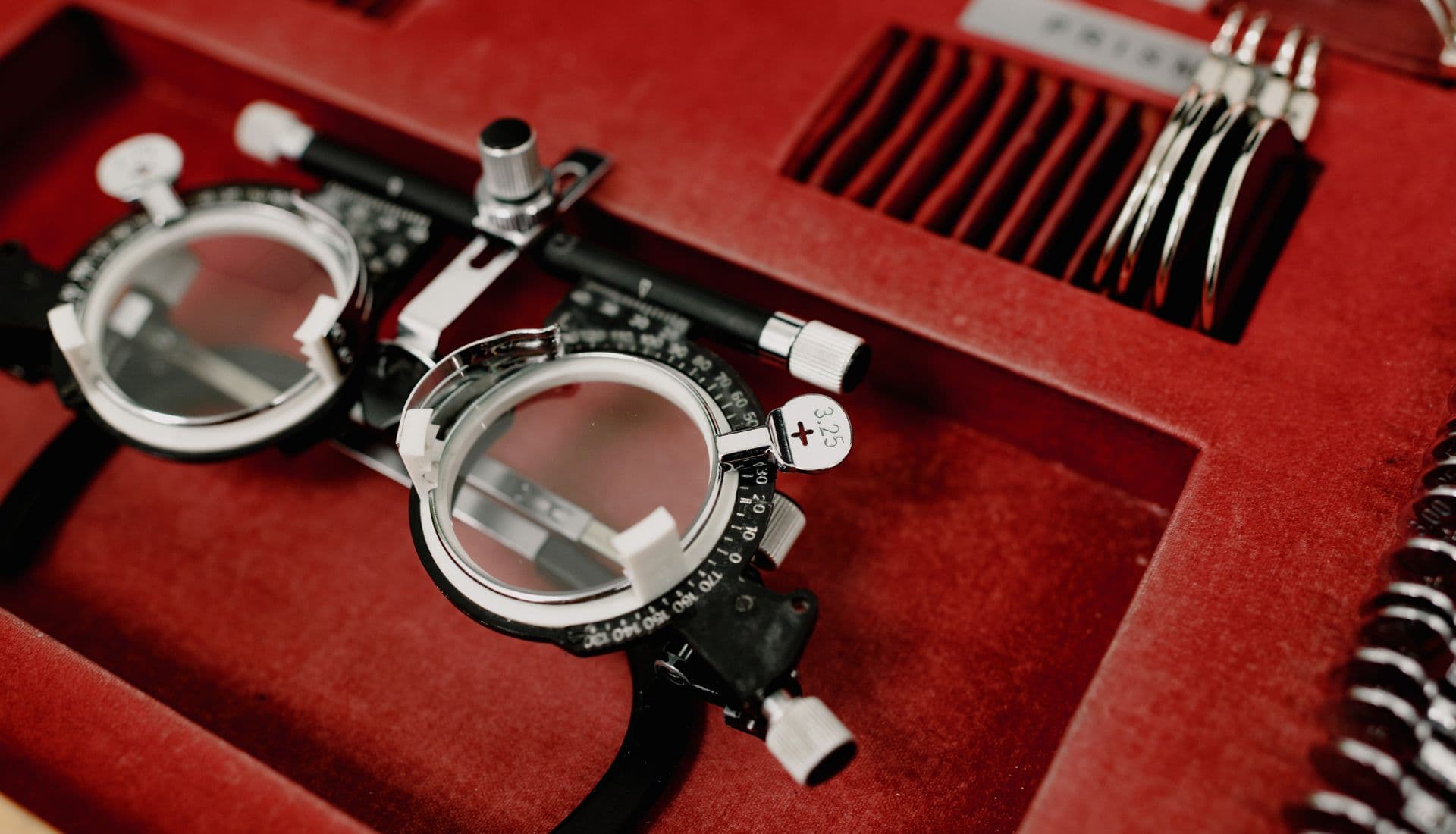
If the strain carries on after these changes, have your sight checked. The American Academy of Ophthalmology points out that an outdated prescription is enough to keep the discomfort going. After 40, weaker close-up vision can also come from presbyopia, and at any age from long-sightedness: our articles on presbyopia and hyperopia explain the difference. Our article on what an eye exam involves describes the check itself.
This article is general information and does not replace an eye exam. If you have eye pain, a red eye or a sudden loss of vision, see an ophthalmologist without delay: that is no longer simple strain.
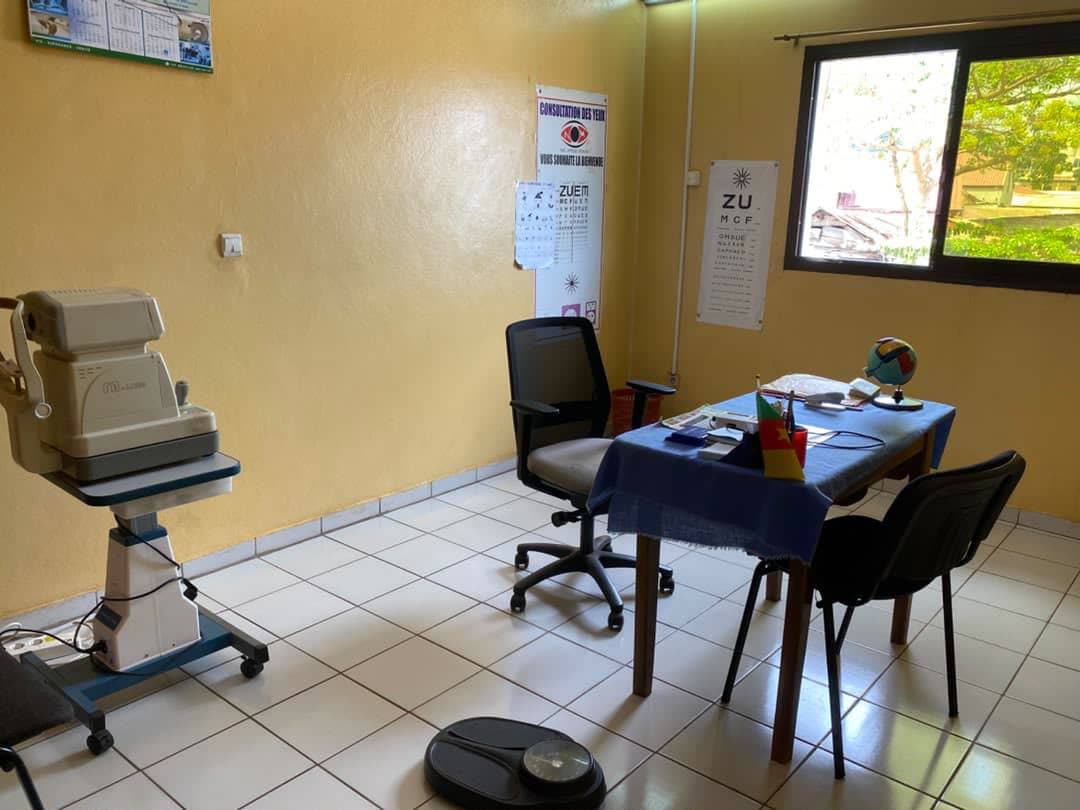
Where can I have my eyes checked in Yaoundé?
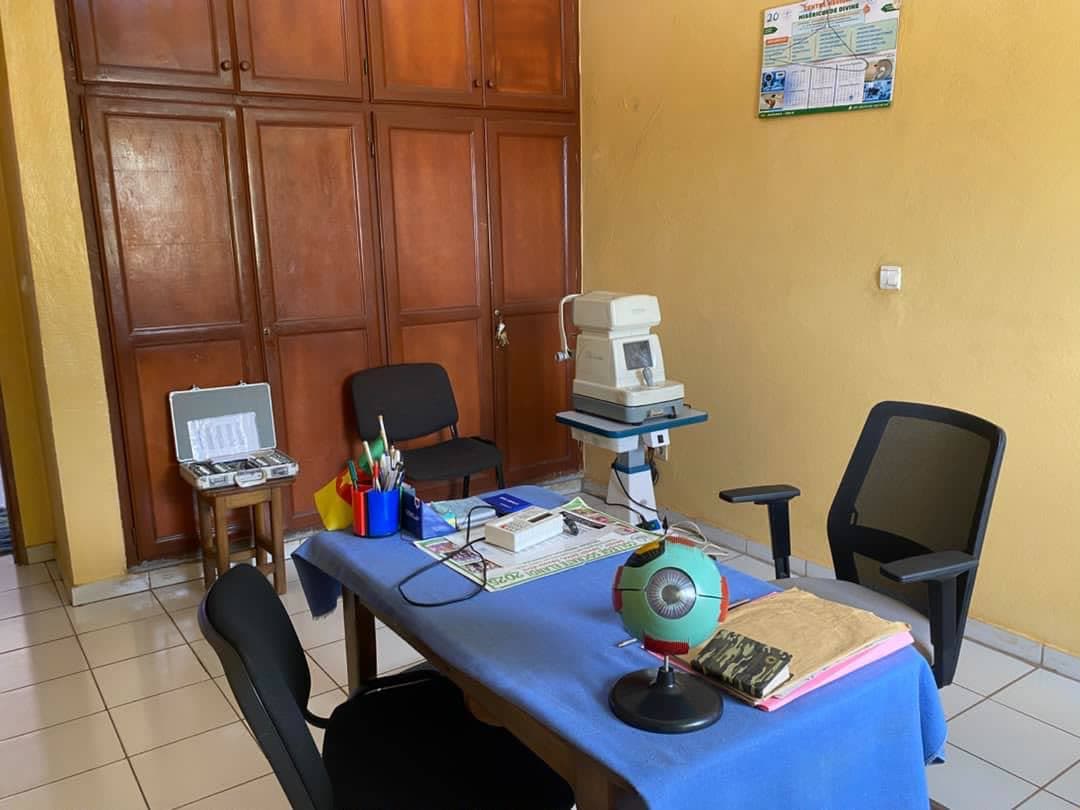
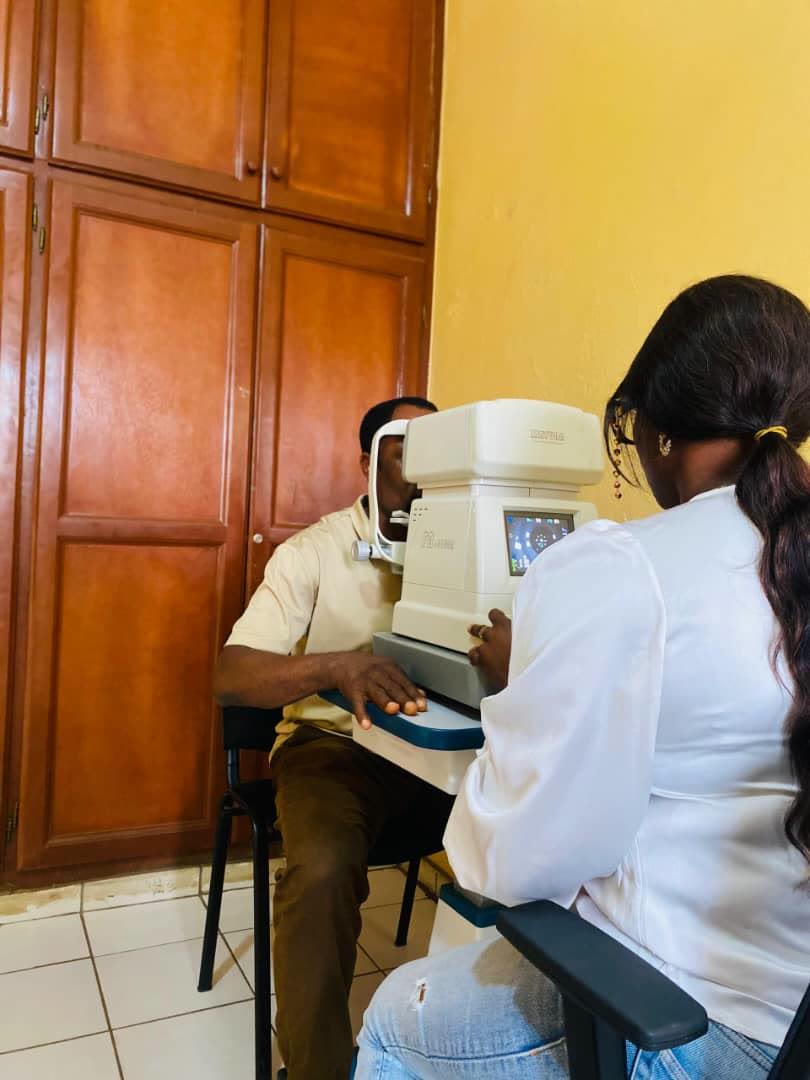
At Niss Optique Médical, Descente Fanta Citron, Mvog-Ada, opposite the Direction des Mines. The eye exam is carried out by a refracting optician registered with the ONOC, Cameroon's national order of opticians. It costs 5,000 XAF, and it is free if you buy your glasses the same day.
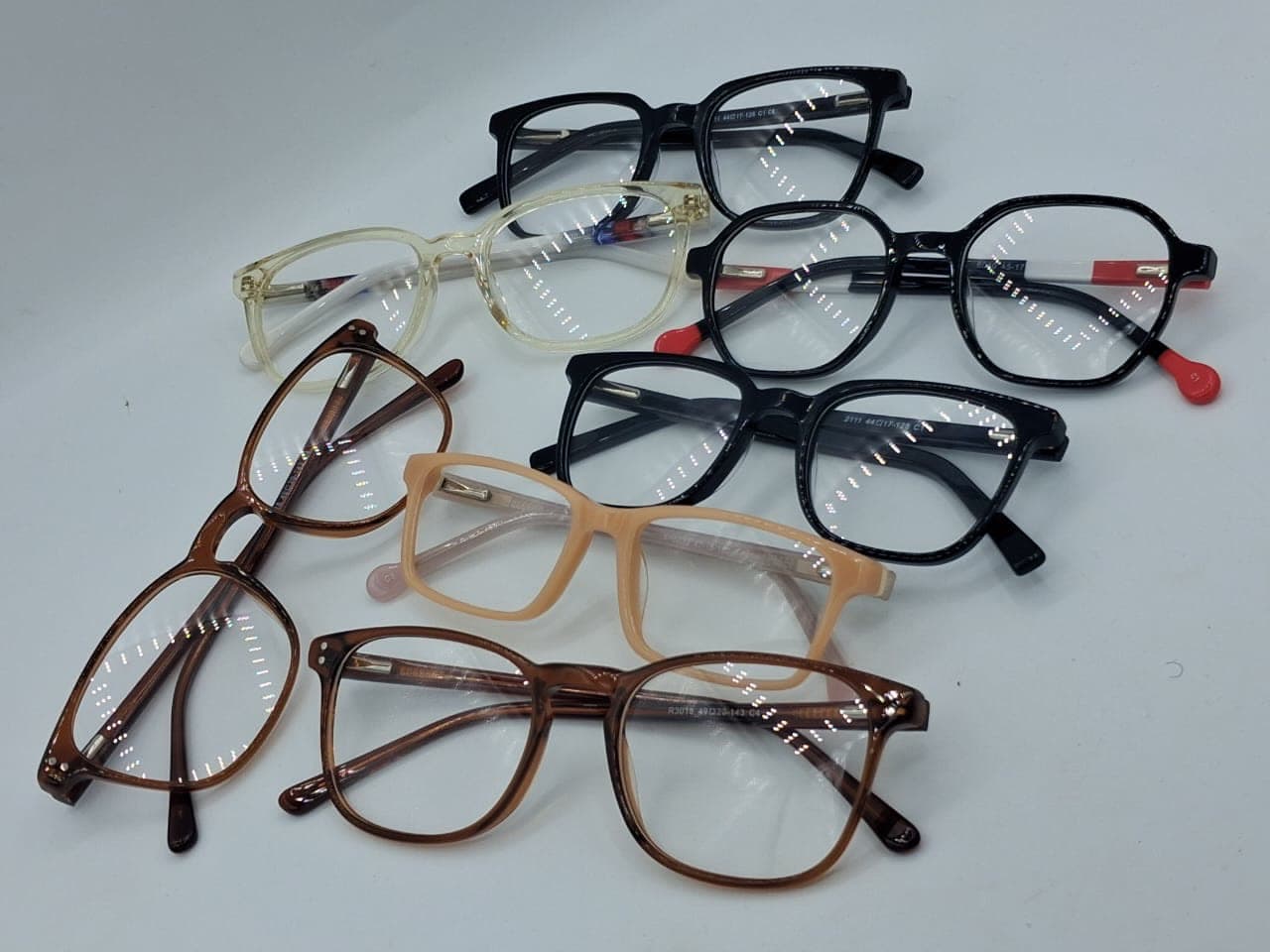
If you need a new prescription, glasses are ready in 24 hours, progressive lenses included; some special-order lenses take 10 working days. Frames range from 10,000 to 100,000 XAF, and you can pay in instalments, settled before collection. For the price of your lenses, ask for a quote on WhatsApp at 699 27 75 97, or call 651 10 22 00 or 651 88 59 90.
Niss Optique Médical, a licensed optical practice, is open Monday to Friday, 8:30 to 17:30, Saturday and public holidays, 9:00 to 15:30, and Sunday by appointment.
Frequently asked questions
- Is eye strain serious?
- According to the American Academy of Ophthalmology, eye strain does not injure the eye or cause permanent damage. Eye pain, a red eye or a sudden loss of vision, however, mean seeing an ophthalmologist without delay.
- What are the symptoms of eye strain?
- Dry, stinging or watery eyes, blurred vision, headaches and a need to squint, usually after a long visual task.
- How can I quickly relieve tired eyes?
- Take a break and look into the distance. The 20-20-20 rule means looking at something about 6 metres away for 20 seconds every 20 minutes. Also keep moving air away from your face.
- Can the wrong glasses cause eye strain?
- Yes. The American Academy of Ophthalmology says an incorrect prescription blurs vision and makes eye strain worse. An eye exam checks whether your prescription is still right.
Written by the Niss Optique Médical team, under the responsibility of its ONOC-registered refracting optician (N° 155/ONOC/2023).
This article gives general information. It does not replace an eye exam. For pain, a red eye or a sudden loss of vision, see an ophthalmologist.