Contact lenses in Yaoundé: glasses or lenses?
Short answer: Contact lenses correct most vision problems, just like glasses, but they sit on the eye. They suit people who want clear vision without a frame and who follow the hygiene rules every day: clean hands, the right solution, no water, no sleeping in them. They are chosen after an eye exam and a trial, and you should always keep a pair of glasses too.
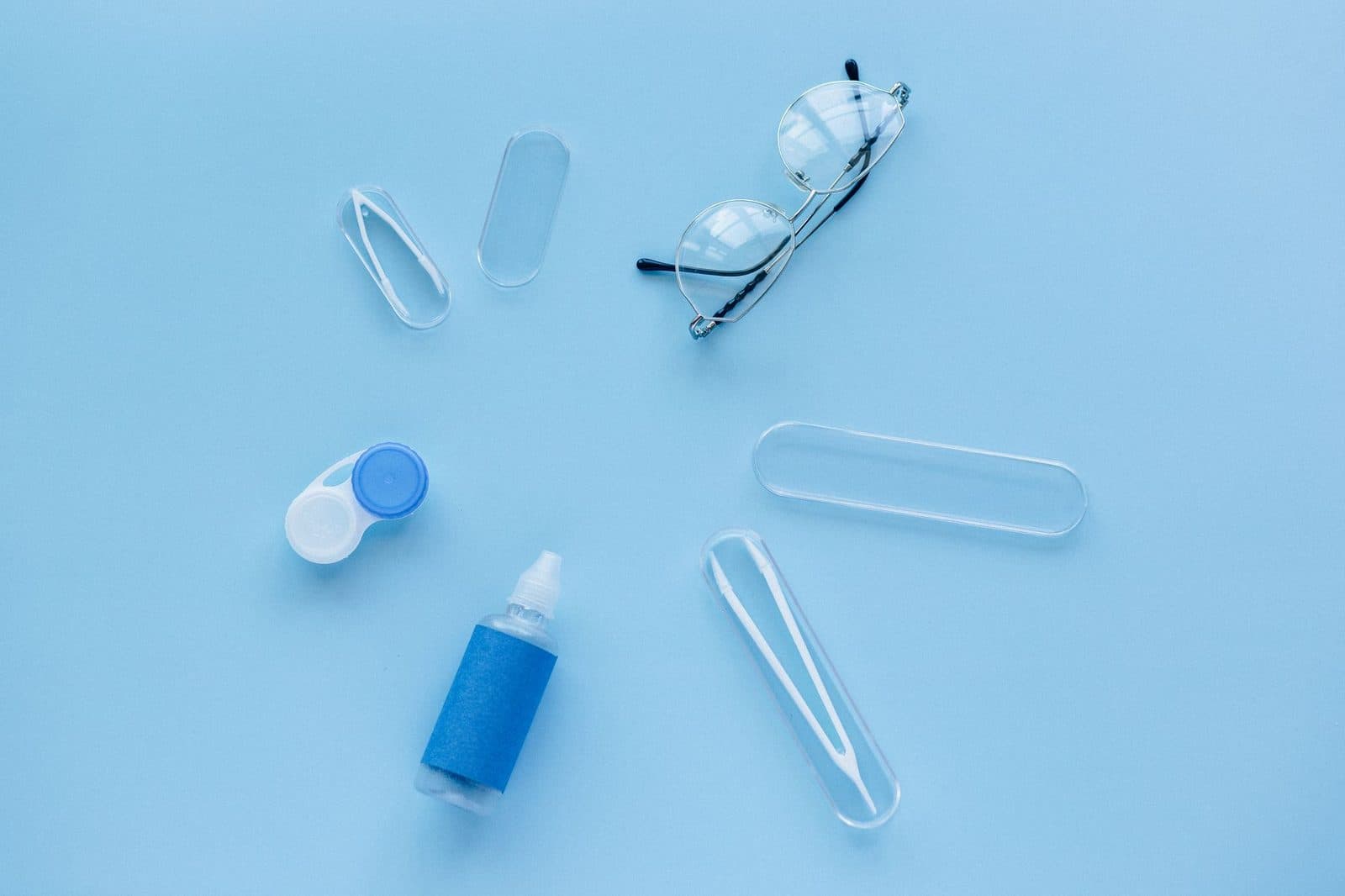
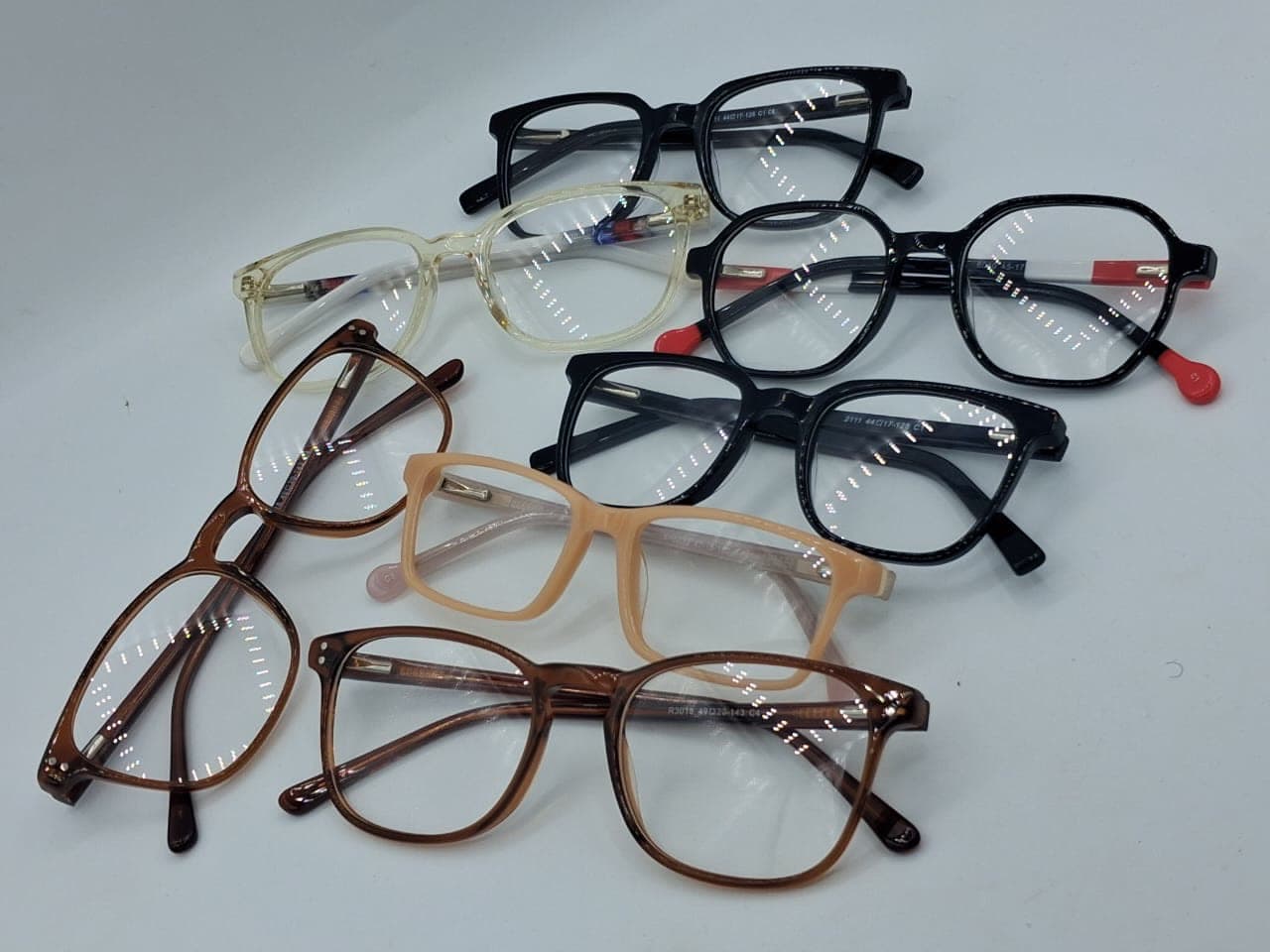
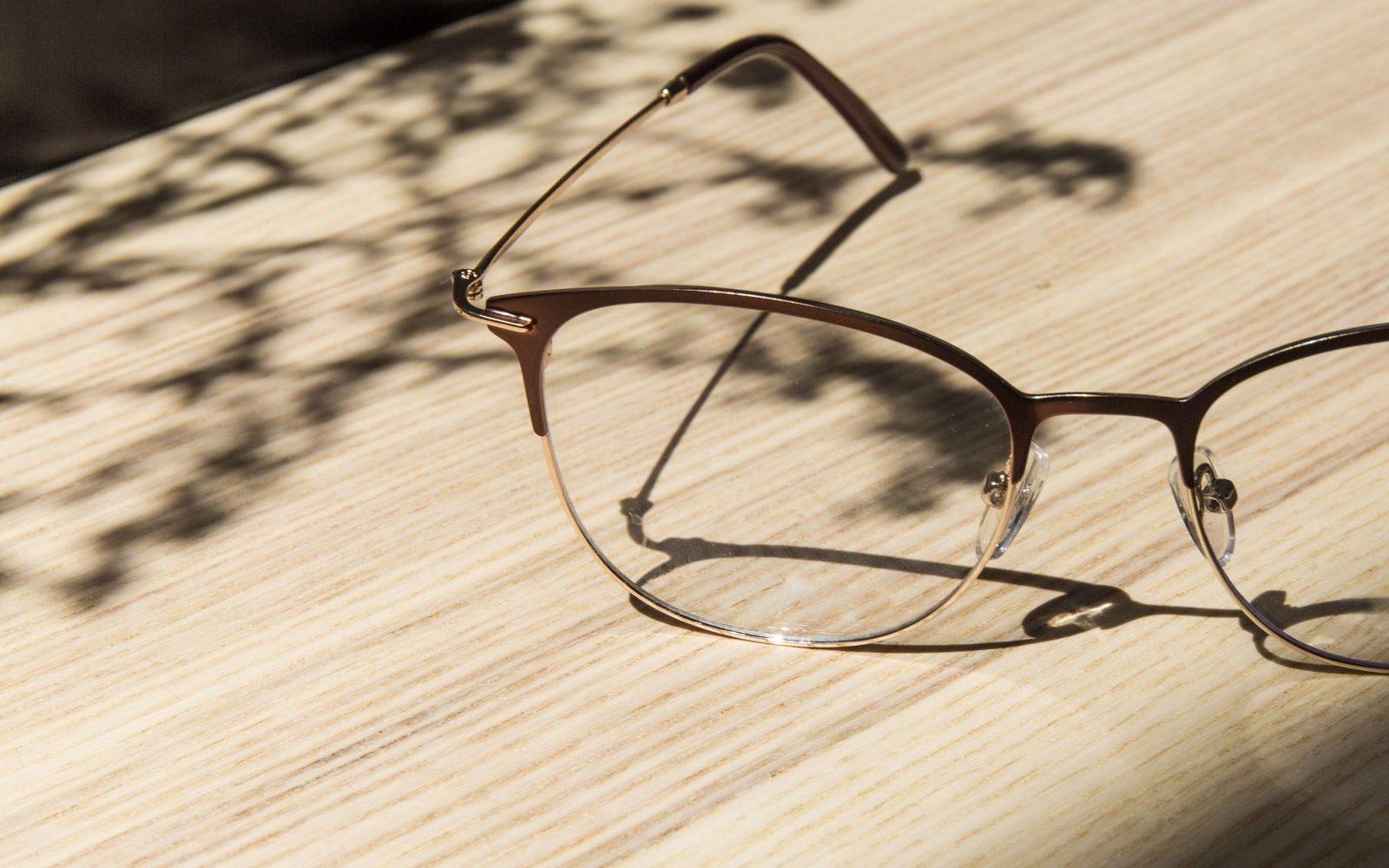
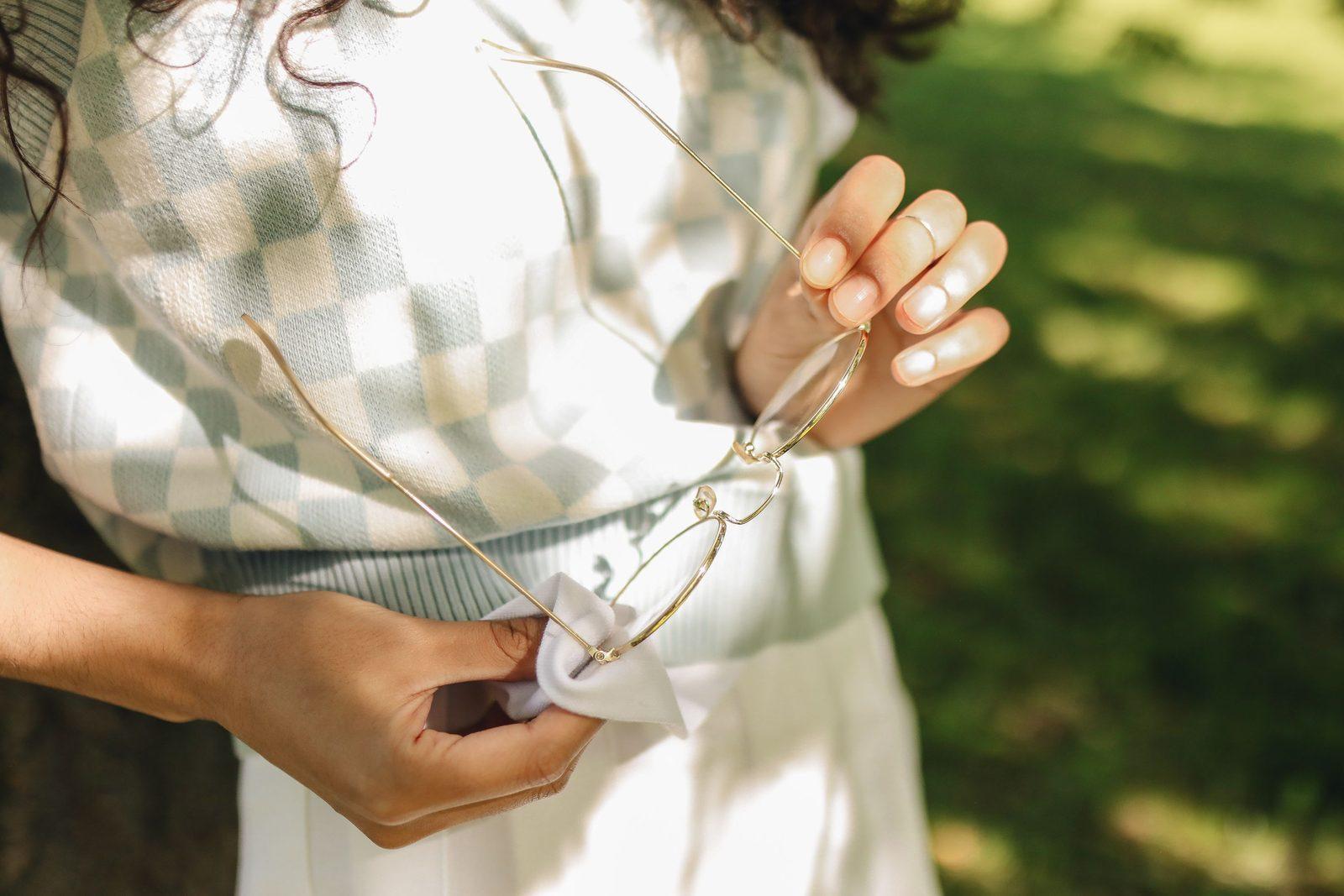
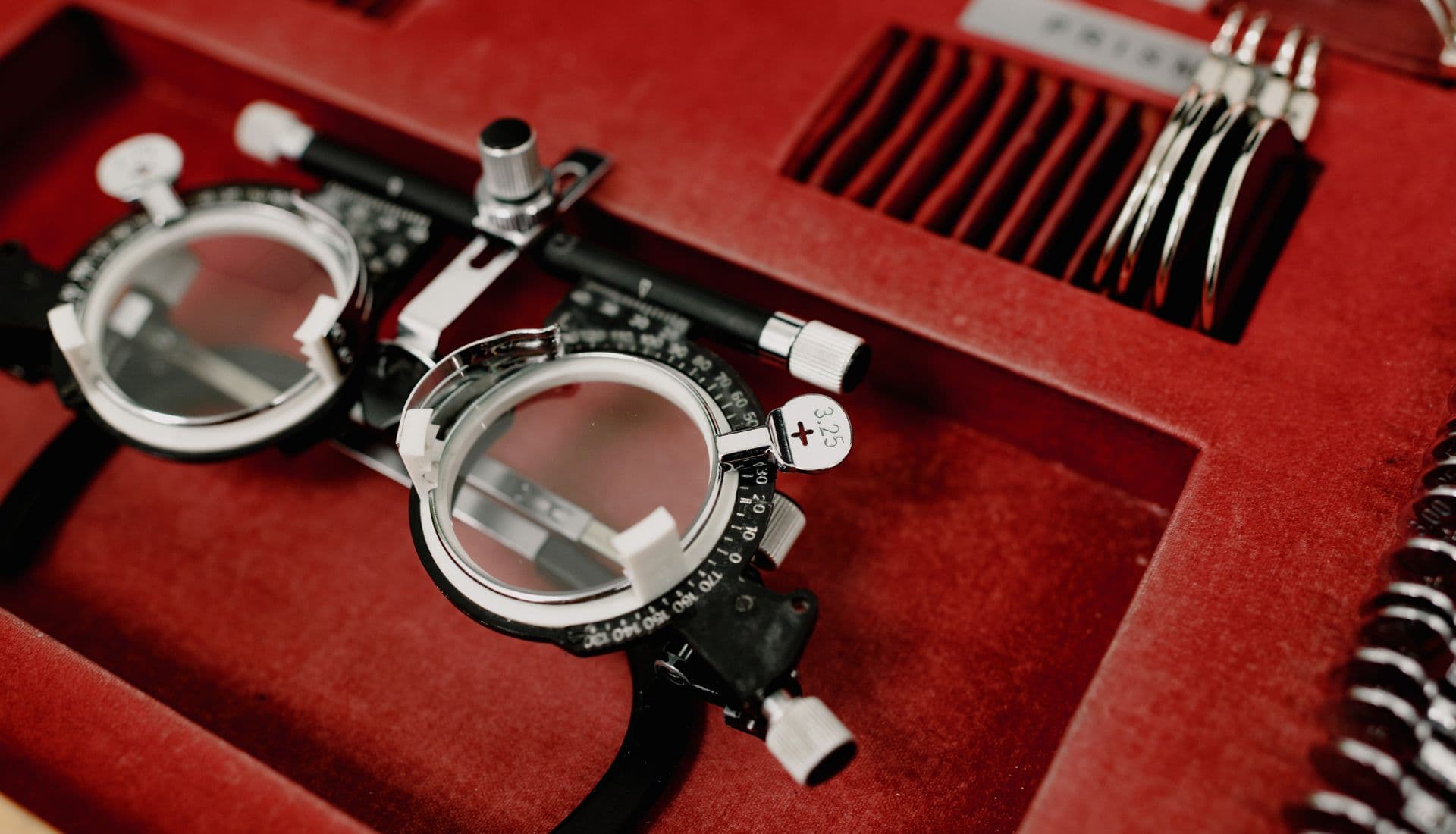
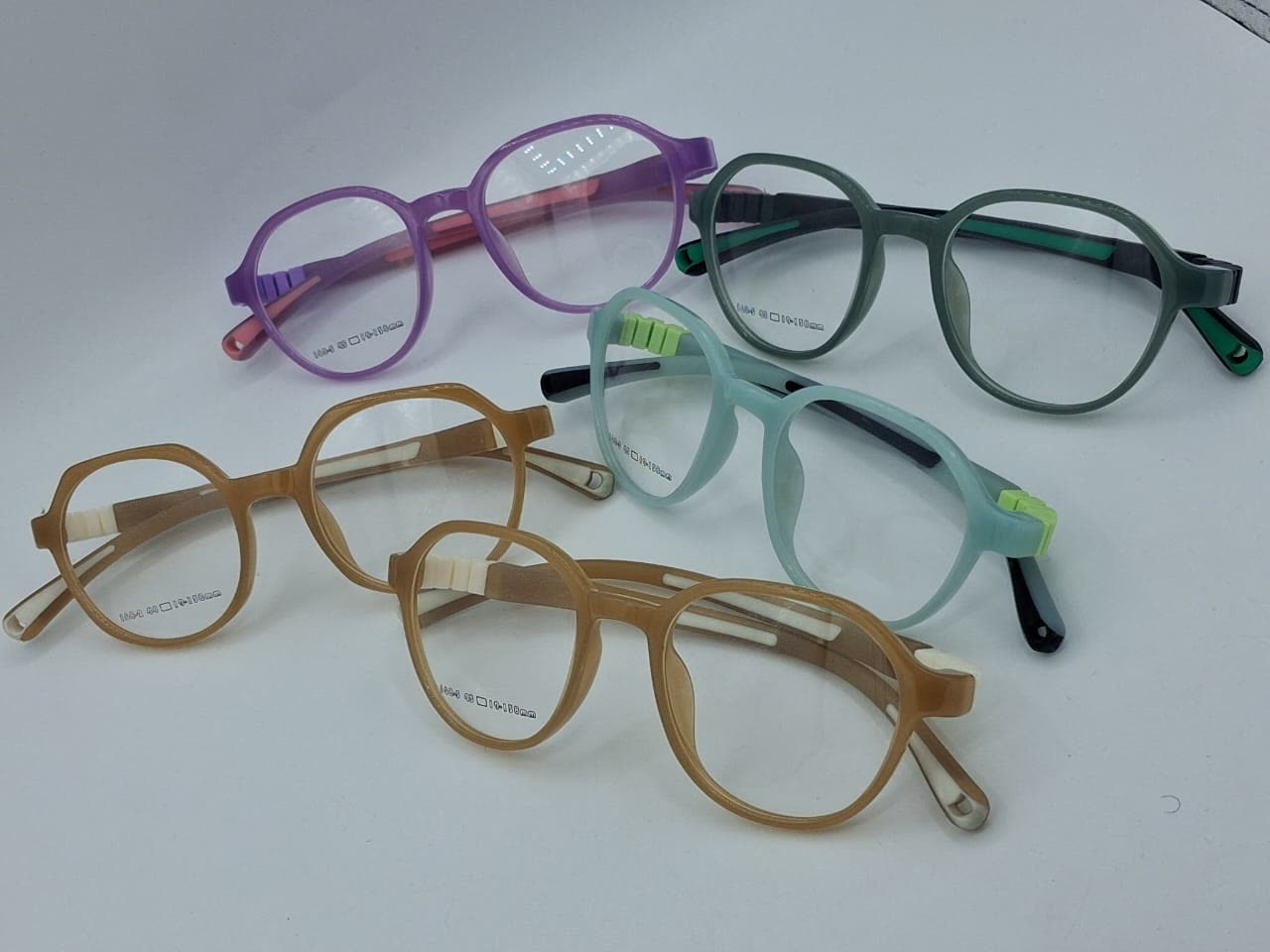
Illustrative photo
Glasses or contact lenses: which should I choose?
Both correct your vision; the real difference is the upkeep. According to France's national health insurer, the Assurance Maladie, in its contact lens guide updated in November 2025, lenses correct the vast majority of vision problems: short sight, long sight, astigmatism and presbyopia. But they call for careful habits to put them in, take them out and keep them clean.
People like lenses for sport, for jobs that keep them on the move, or for a wedding where a frame feels in the way. Glasses stay simpler: on, off, done. And even if you choose lenses, the US Centers for Disease Control and Prevention (CDC) advise keeping a pair of glasses with your current prescription, in case you have to take your lenses out. Glasses have one clear advantage: they never ask you to wash your hands first.
What types of contact lenses are there?
There are two main families: soft lenses and rigid lenses. The Assurance Maladie sorts soft lenses by how often you replace them.
- Daily disposables: you wear them for the day and throw them away at night.
- Frequent-replacement lenses: they last from two weeks to three months and need cleaning every day.
- Traditional lenses: replaced once a year, and cleaned every day as well.
- Rigid gas-permeable lenses: replaced every one to two years. You notice them more at first, and the discomfort usually fades after a few days.
The right type depends on your eyes and your way of life, and the eye exam points the way. Daily, monthly, yearly: contact lenses keep more calendars than a government office.
This article is general information and does not replace an eye exam. If you have pain, a red eye or a sudden loss of vision, take your lenses out and see an ophthalmologist without delay.
What hygiene rules should I follow?
Clean hands, the right solution and a fresh case. The CDC points out that contact lenses are medical devices and are not risk-free. These are the habits the Assurance Maladie and the CDC recommend, together or separately.
- Wash your hands with soap and dry them on a clean cloth before you touch a lens.
- Use the recommended solution, rub and rinse the lens with it, and never top up old solution with new.
- Never wet a lens with saliva.
- Rinse the case with solution, leave it to dry open and upside down, and replace it at least every three months.
- Stick to the wearing time: one day for a daily lens, one month for a monthly one.
- Never wear a damaged lens.
And no, saliva is not a cleaning solution, not even on the day the bottle stayed at home.
Why are water and sleep the two big traps?
Because both are everyday habits, and both can lead to infection. The Assurance Maladie is clear: never use tap water or bottled water to rinse or store your lenses. The CDC asks you to take them out before showering or swimming, to keep germs away.
At night the rule is simple: do not sleep in your lenses, unless they are made for extended wear and your ophthalmologist has agreed. The shower is for you; your lenses can wait in their case.
Are coloured lenses sold without a prescription safe?
No. In Yaoundé, as elsewhere, coloured lenses are offered on social media with no eye exam and no prescription. The US Food and Drug Administration (FDA) points out that these lenses, even with no correction, are medical devices, not cosmetics.
According to the FDA, they are not one size fits all: each eye has to be measured for the lens to fit. A poorly fitted lens can scratch the cornea, cause an infection, reduce vision and even lead to blindness. The Assurance Maladie adds that coloured lenses can reduce your vision at night. A contact lens is not a pair of earrings: it goes on the eye, not next to it.
How does a contact lens fitting work?
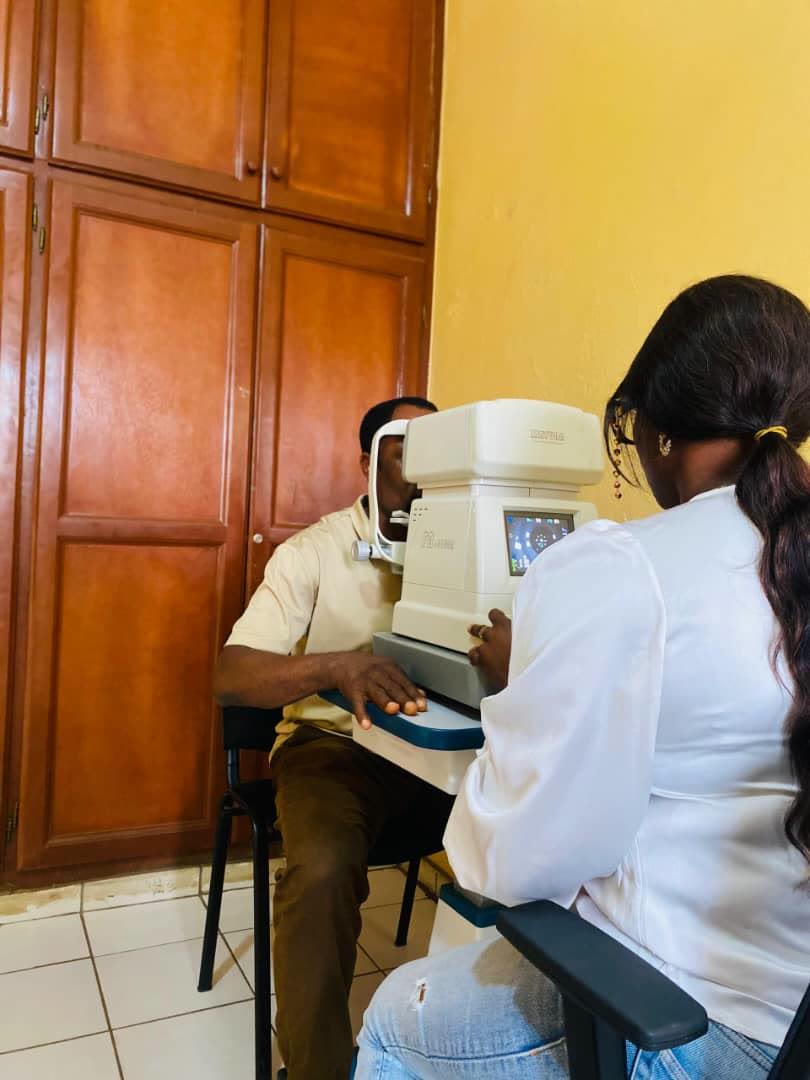
It starts with an eye exam, then a trial. The exam measures your prescription; the trial checks that the lens suits you and feels comfortable. Then you learn to put it in and take it out, always starting with the same eye, as the Assurance Maladie advises, so you never swap the two lenses.
You leave with the right cleaning solution and clear wearing instructions. The first tries take a little patience: your finger and your eyelid are still learning to work as a team.
Where can I get contact lenses fitted in Yaoundé?
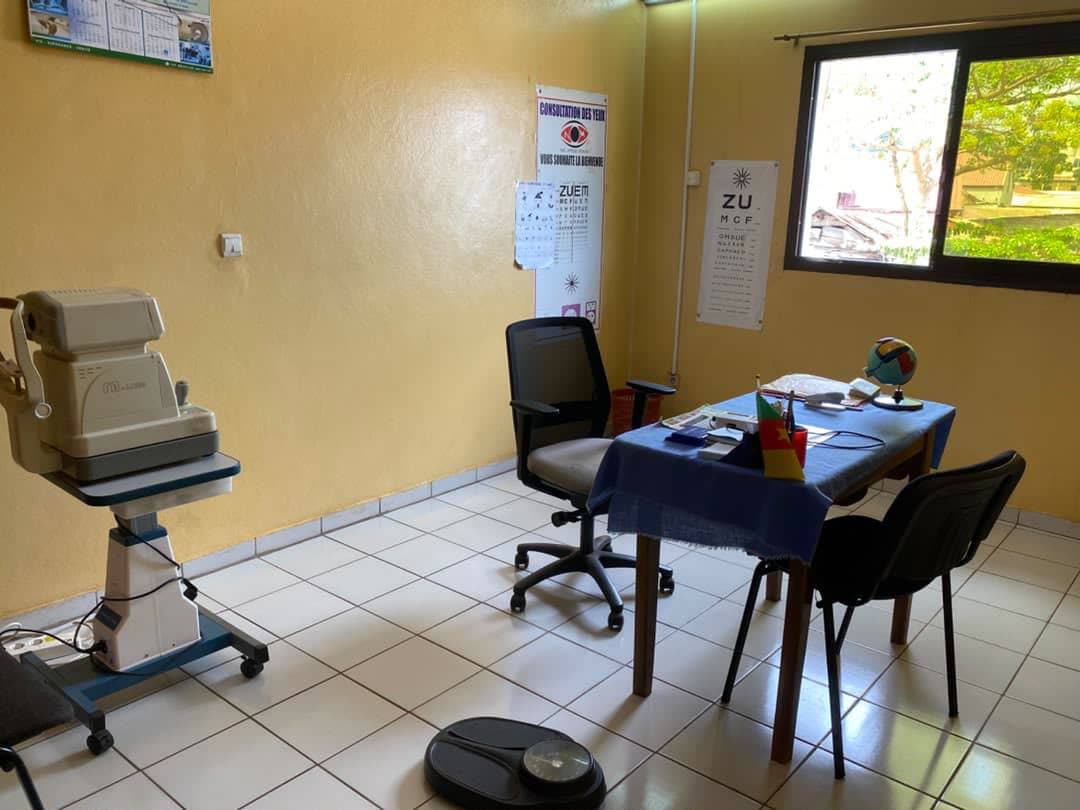
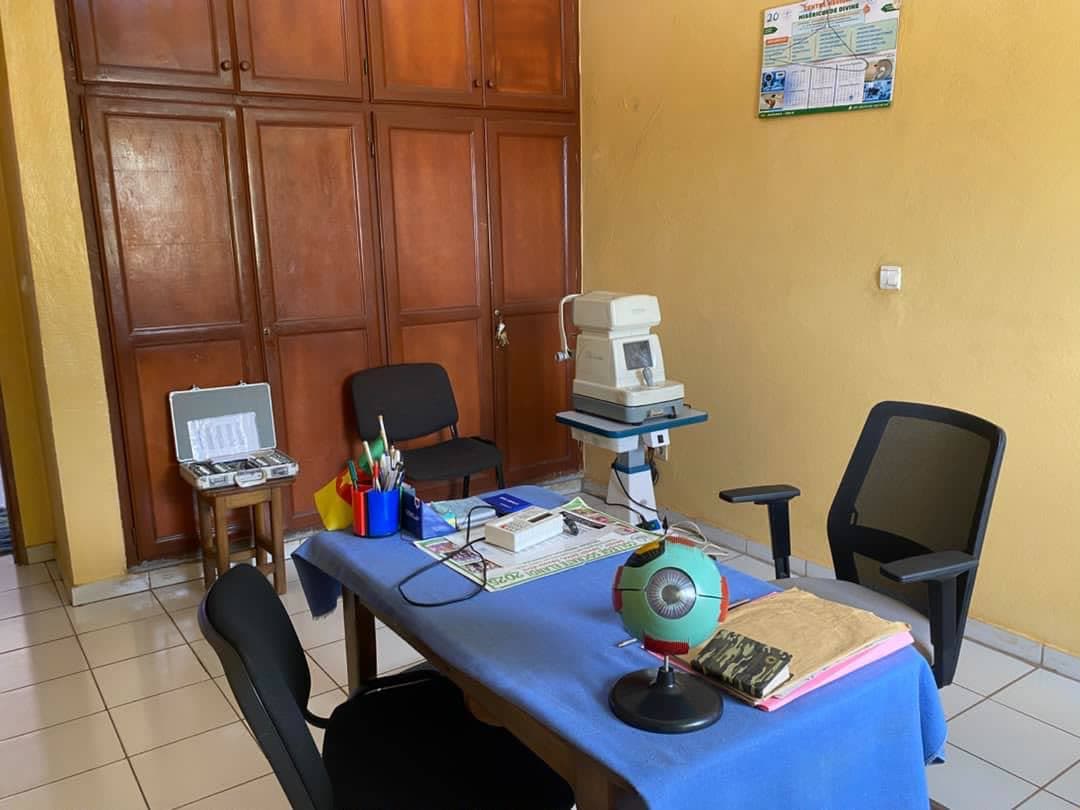
With an eye-care professional who asks for a prescription. Niss Optique Médical, a licensed optical practice, supplies daily and monthly lenses on prescription, with a trial, a fitting and cleaning solutions. It is at Descente Fanta Citron, Mvog-Ada, opposite the Direction des Mines, open Monday to Friday, 8:30 to 17:30, Saturday and public holidays, 9:00 to 15:30, and Sunday by appointment.
The eye exam is carried out there by a refracting optician registered with the ONOC, Cameroon's national order of opticians. It costs 5,000 XAF, and it is free if you buy your glasses the same day. For glasses, frames range from 10,000 to 100,000 XAF and the pair is ready in 24 hours. You can pay in instalments, as long as everything is settled before you collect.
For the price of your lenses, message 699 27 75 97 on WhatsApp, or call 651 10 22 00 or 651 88 59 90. And come wearing your glasses: a plan B that never gets lost in the bag.
Frequently asked questions
- Can I sleep in my contact lenses?
- No, unless they are made for extended wear and your ophthalmologist has agreed. Take them out before you sleep.
- Can I rinse my contact lenses with water?
- No. Not tap water and not bottled water. Use only the recommended cleaning solution, and never mix fresh solution with old.
- Are coloured lenses with no correction dangerous?
- They are when bought without an eye exam. They are medical devices: each eye must be measured, and a poorly fitted lens can injure the cornea or cause an infection.
- Where can I buy contact lenses in Yaoundé?
- From an eye-care professional who asks for a prescription. Niss Optique Médical, in Mvog-Ada, supplies daily and monthly lenses on prescription, with a trial and cleaning solutions.
Written by the Niss Optique Médical team, under the responsibility of its ONOC-registered refracting optician (N° 155/ONOC/2023).
This article gives general information. It does not replace an eye exam. For pain, a red eye or a sudden loss of vision, see an ophthalmologist.