Presbyopia: when it starts, the signs and the options
Short answer: Presbyopia is the age-related loss of close-up focus: around age 40, the lens inside the eye stiffens and struggles to focus on near objects. The classic sign is holding your phone or book further away to read it. It is corrected with reading glasses, bifocals, progressive lenses or contact lenses.
What is presbyopia?
Presbyopia is the difficulty seeing clearly up close that comes with age. The MSD Manuals (consumer version) explain it this way: around 40, the lens, the small natural lens inside the eye, stiffens. It changes shape less easily, so it focuses less well on near objects.
The American Academy of Ophthalmology, in its page "What Is Presbyopia?" published on 21 May 2026, notes that the word comes from Greek and means "old eye". Not the most flattering name, admittedly. But it is a normal change in the eye, not a disease.
At what age does presbyopia start?
Usually shortly after 40. That is the age given by both the American Academy of Ophthalmology and the MSD Manuals, which say "around 40".
It happens to everyone, including people who have never worn glasses. A lifetime of perfect eyesight is no exemption: everyone's lens ages. The good news is that you are in very large company.
What are the signs of presbyopia?
The best-known sign is the arm's-length test. The American Academy of Ophthalmology notes that you start holding reading material further away to see it clearly. It adds that uncorrected presbyopia can cause headaches and eye strain.
- You hold your phone further away to read a message.
- Small print on a leaflet, a menu or a label becomes hard to read.
- You get headaches or tired eyes after reading or close work.
- Your distance vision has not changed.
Presbyopia or hyperopia: what is the difference?
Both make close vision harder, but for different reasons. Presbyopia comes from the lens ageing, around 40. Hyperopia, or long-sightedness, comes from the shape of the eye, which is slightly too short, and can be there from childhood. Our article on hyperopia explains the difference in detail.
The two can also come together, and only an eye exam can tell what is really going on. Testing yourself on your neighbour's newspaper is not a reliable method.
How is presbyopia corrected?
With glasses or contact lenses, chosen according to how well you see in the distance. The American Academy of Ophthalmology and the MSD Manuals describe these options:
- Reading glasses: according to the Academy, they may be all you need if presbyopia is your only vision problem, with no short sight, long sight or astigmatism.
- Bifocals: an upper part for distance and a lower part for reading.
- Trifocals: a third zone for middle distance, such as a computer screen.
- Progressive lenses: the correction changes gradually from the top of the lens to the bottom, with no visible line.
- Contact lenses: monovision, with one eye corrected for reading and the other for distance, or multifocal lenses. The MSD Manuals note that some people find monovision hard to get used to.
At Niss Optique Médical, glasses are ready in 24 hours, progressive lenses included. For tips on getting used to progressives, see our article on wearing progressive lenses, and for the budget, the one on the average price of progressive lenses. Other treatments, such as refractive surgery or the prescription eye drops the Academy mentions, are a matter for an ophthalmologist. Your arms will not grow longer with age, so correcting your sight is the easier route.
This article is general information and does not replace an eye exam. If you have eye pain, a red eye or a sudden loss of vision, see an ophthalmologist without delay.
Where can I have my near vision checked in Yaoundé?
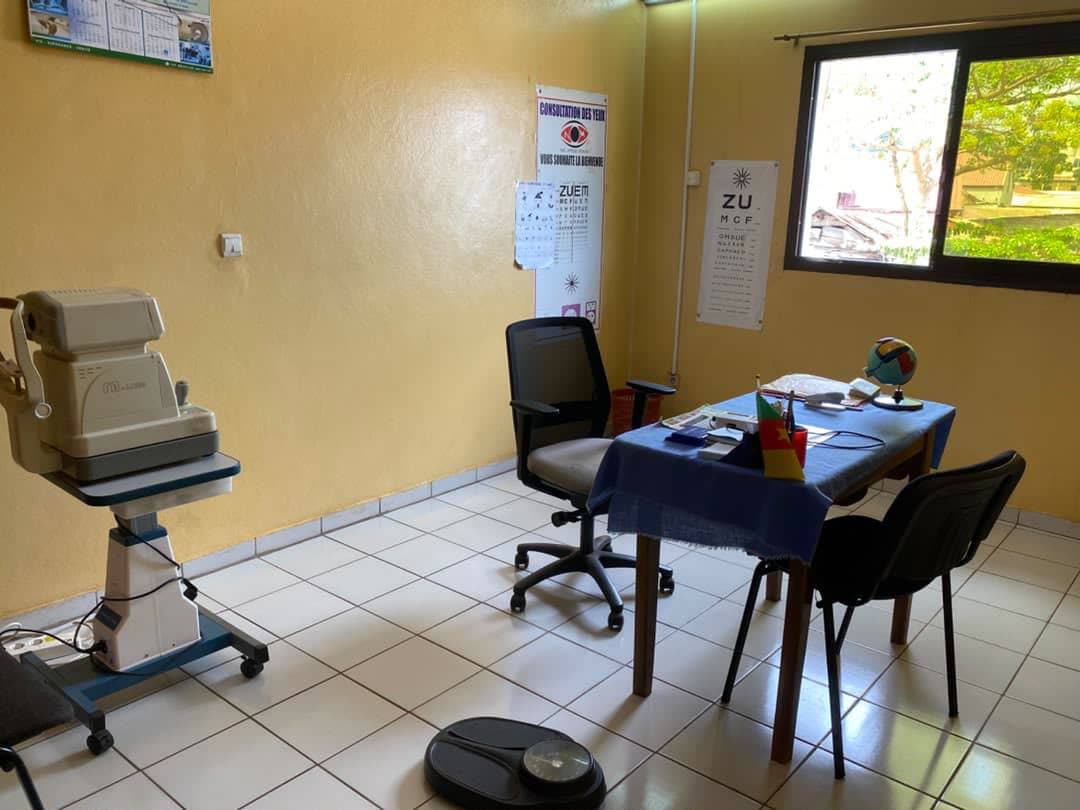
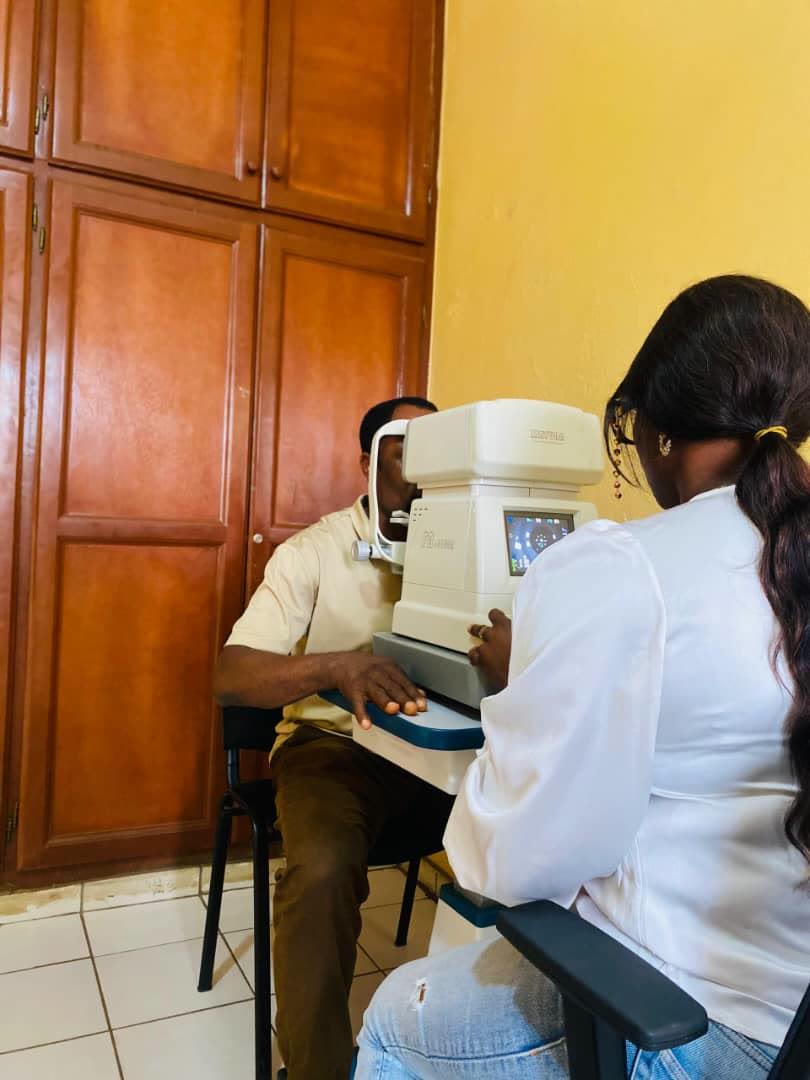
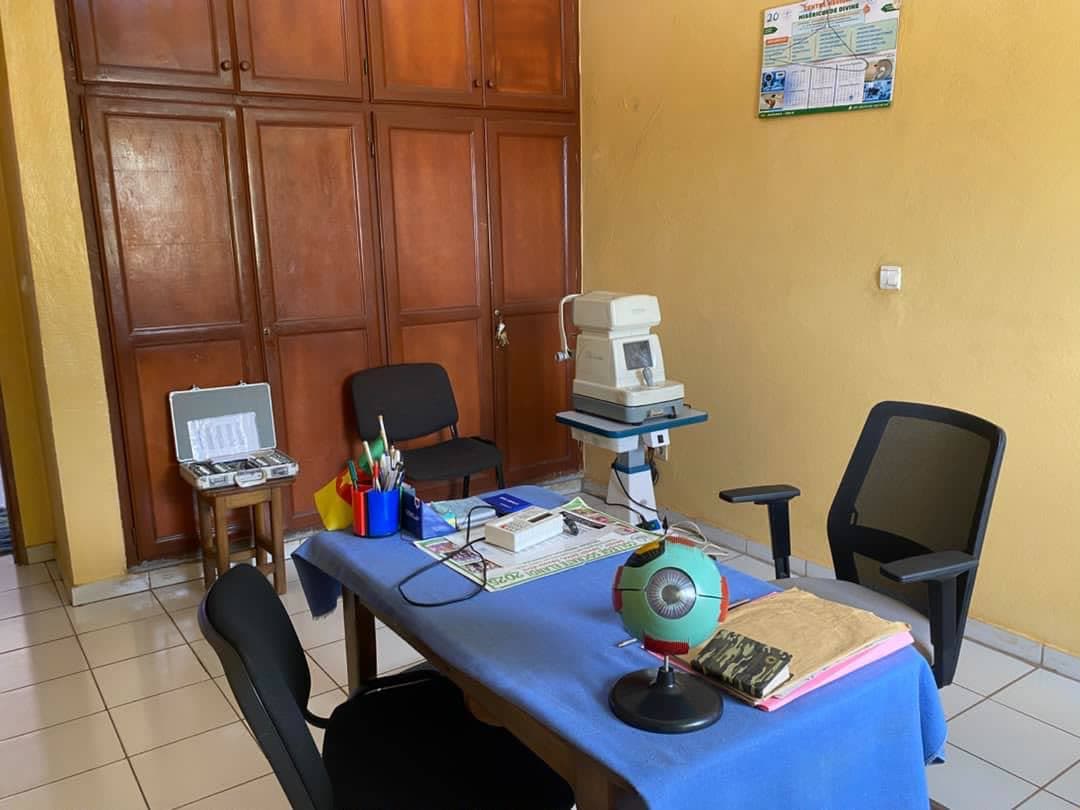
At Niss Optique Médical, Descente Fanta Citron, Mvog-Ada, opposite the Direction des Mines. The eye exam is carried out by a refracting optician registered with the ONOC, Cameroon's national order of opticians. It costs 5,000 XAF, and it is free if you buy your glasses the same day.
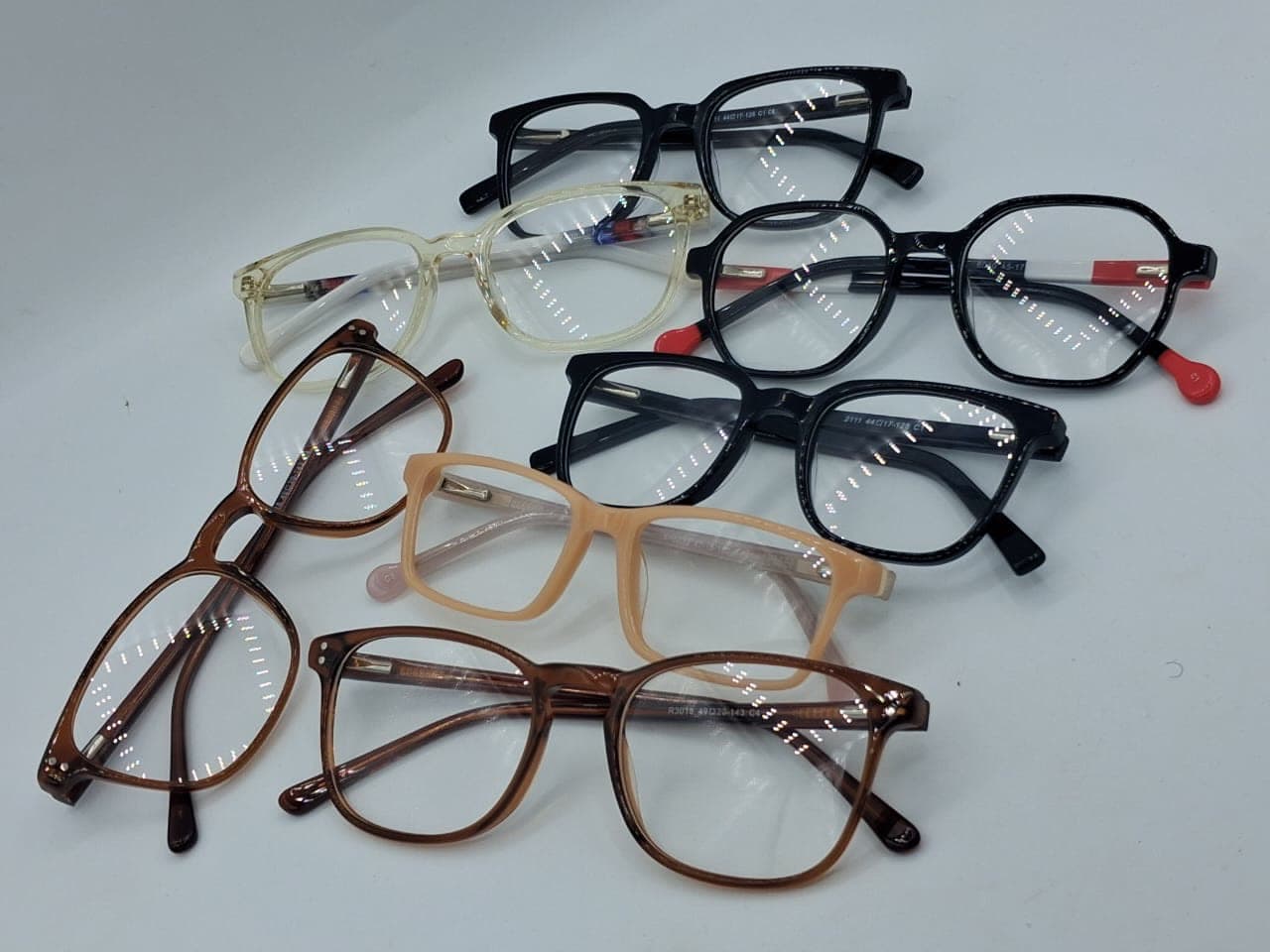
Frames range from 10,000 to 100,000 XAF; some special-order lenses take 10 working days. You can pay in instalments, settled before you collect your glasses. For the price of your lenses, ask for a quote on WhatsApp at 699 27 75 97, or call 651 10 22 00 or 651 88 59 90.
Niss Optique Médical, a licensed optical practice, is open Monday to Friday, 8:30 to 17:30, Saturday and public holidays, 9:00 to 15:30, and Sunday by appointment.
Frequently asked questions
- At what age does presbyopia appear?
- Usually shortly after 40, according to the American Academy of Ophthalmology and the MSD Manuals. It affects everyone, even people who have always seen well.
- What is the first sign of presbyopia?
- Most often, holding your phone, book or newspaper further away to read it. Headaches or tired eyes when reading can also appear.
- Are reading glasses enough?
- They can be, if presbyopia is your only vision problem. If you are also short-sighted, long-sighted or astigmatic, bifocals or progressive lenses are often a better fit.
- Can presbyopia be corrected with contact lenses?
- Yes, with monovision or multifocal contact lenses. Some people find them hard to adapt to, so a trial shows whether they suit you.
Written by the Niss Optique Médical team, under the responsibility of its ONOC-registered refracting optician (N° 155/ONOC/2023).
This article gives general information. It does not replace an eye exam. For pain, a red eye or a sudden loss of vision, see an ophthalmologist.