UV400 sunglasses: how to choose a safe pair
Short answer: UV400 means the lenses block ultraviolet rays up to 400 nanometres, which the US FDA says is more than 99% of UVA and UVB. Tint proves nothing: a dark lens may not stop UV. Look for the words UV400 or 100% UV on the label, and for the CE mark.
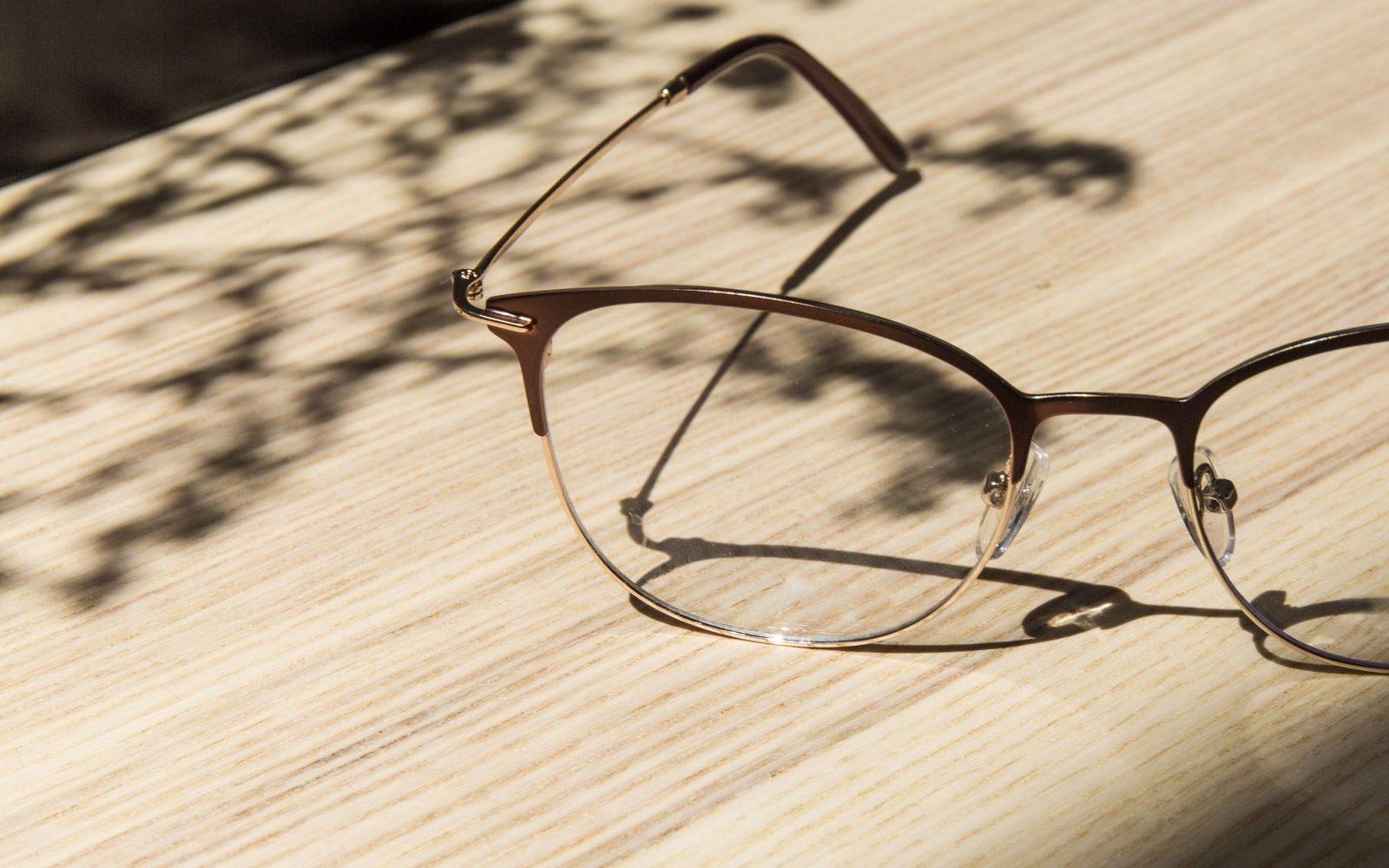
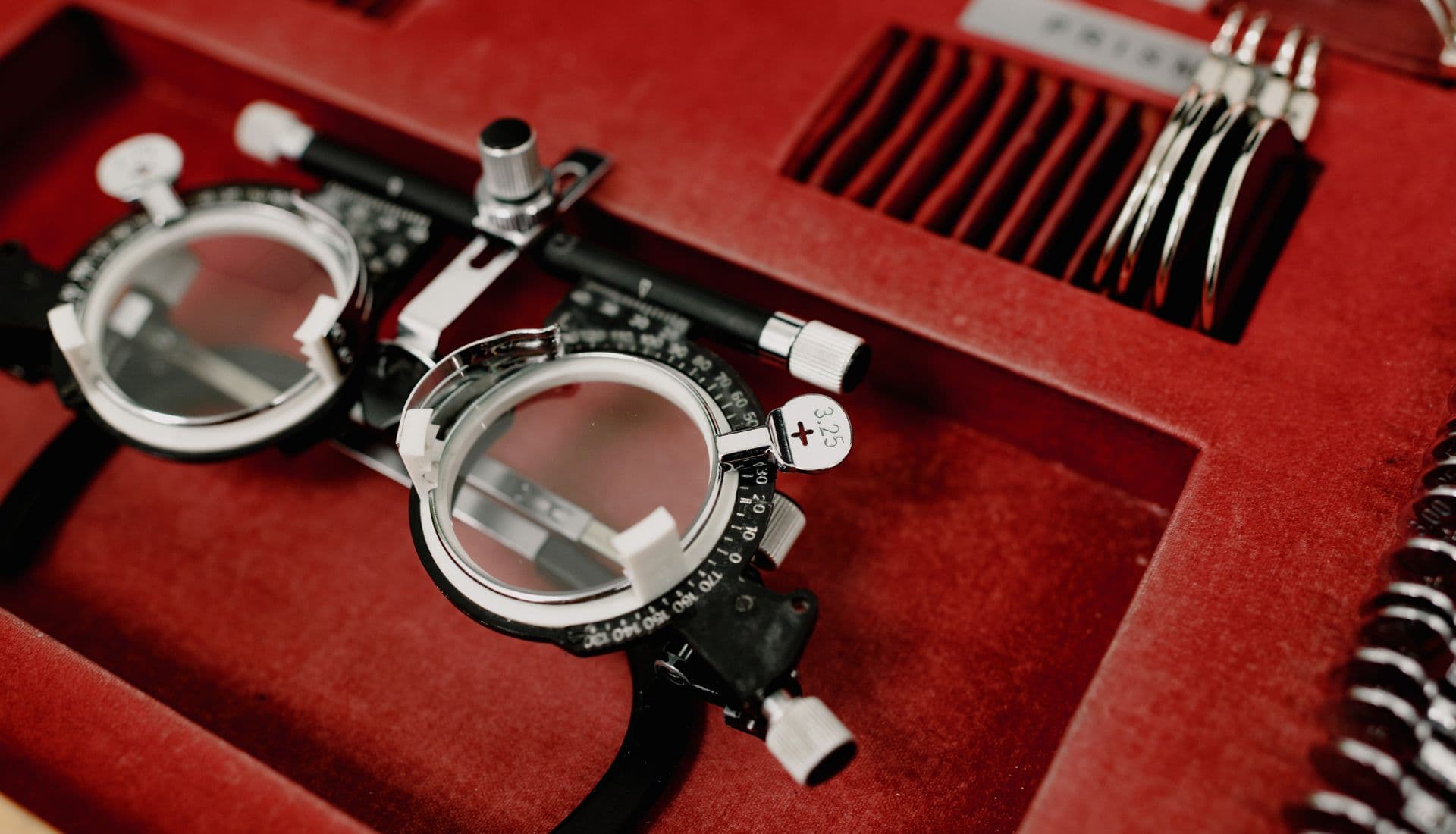
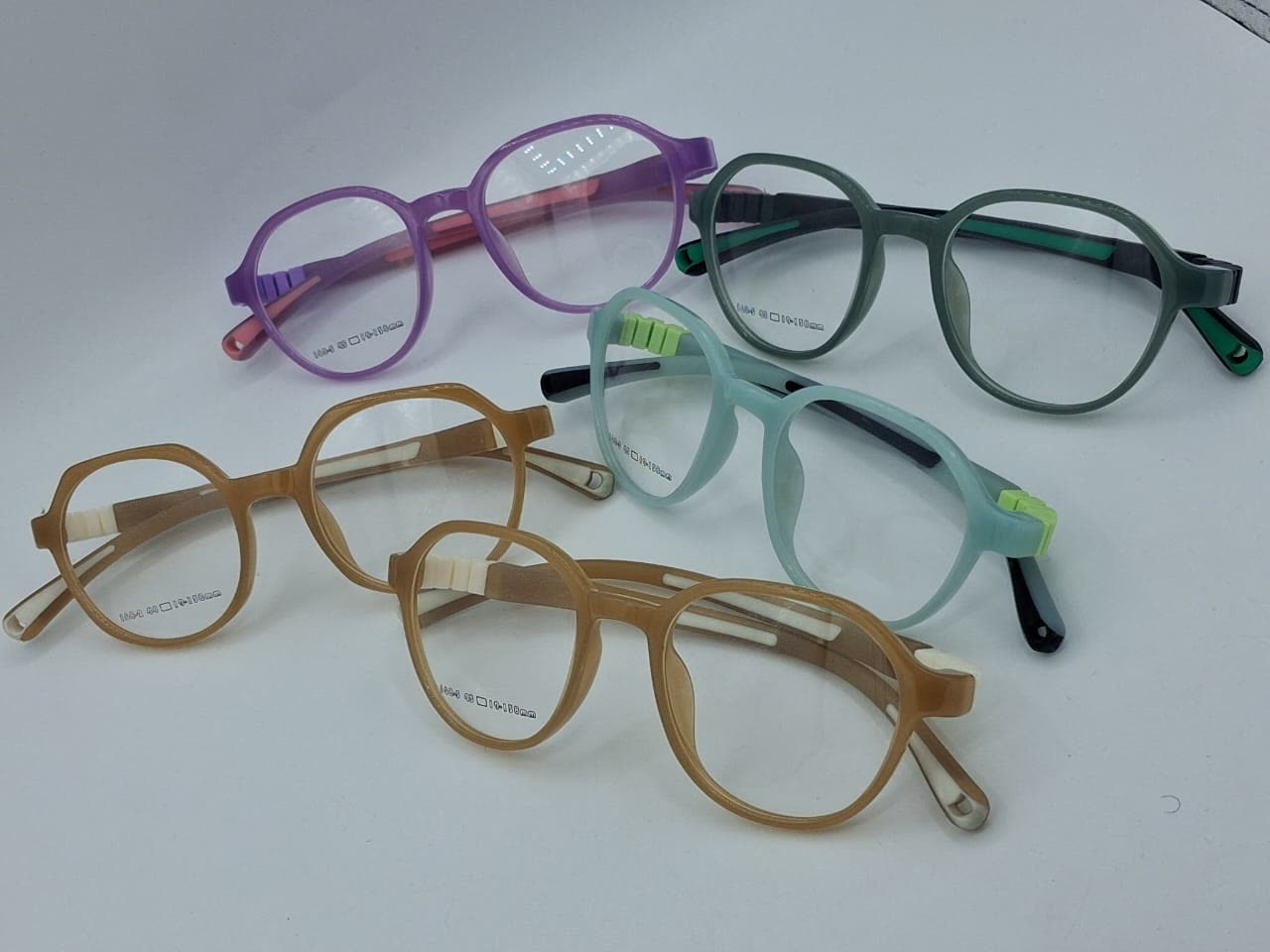
Illustrative photo
What does UV400 mean on sunglasses?
It is a label claim: the lenses stop ultraviolet light up to 400 nanometres. The US Food and Drug Administration (FDA), in a consumer update from September 2026, says that sunglasses rated UV400 or marked 100% UV protection block more than 99% of UVA and UVB rays. The American Academy of Ophthalmology (AAO) also accepts the wording UV absorption up to 400nm.
Why care? According to the AAO (page published July 2026), UV rays damage the surface of the eye, the cornea and the lens, and that damage can lead to cataracts, macular degeneration and other conditions that can permanently harm your sight. You can see the sun coming. UV does not announce itself.
Do dark lenses protect better from UV?
No. A dark lens cuts glare, but its colour says nothing about protection. The FDA states that the darkness of a lens does not show its ability to block UV, and that lightly tinted lenses (green, amber, red or grey) can protect as well as very dark ones. France's consumer-protection authority, the DGCCRF, says the same in its January 2026 guide: clear treated lenses can filter 100% of solar UV.
The trap is real. The FDA warns that behind a tinted lens with no UV filter, your pupils open wider, which can increase the exposure of your retinas to UV. A dark lens is like a sharp suit: the look tells you nothing about what is underneath.
What about polarised, mirrored and coloured lenses?
They change comfort, not necessarily protection. According to the AAO, polarised lenses cut reflections from water or from the road, which helps when driving, but polarisation does not block UV by itself: some polarised lenses carry a UV treatment and some do not. The same caution applies to mirrored lenses, which reduce visible light without guaranteeing UV protection.
As for colour, the AAO explains that brown or rose lenses add contrast, which helps some athletes, while amber or grey lenses do not necessarily block more sun. Either way, read the label. The mirror is for the photo; the label is for your eyes.
What are the CE mark and categories 0 to 4?
According to the DGCCRF, a visible, legible CE mark means the glasses meet European construction and performance requirements. Sunglasses are also sorted into five categories, 0 to 4, by how much light they filter (standard NF EN ISO 12312-1).
- Category 0: no protection from solar UV, kept for comfort and looks.
- Categories 1 and 2: reduced or moderate sunlight.
- Categories 3 and 4: strong or exceptional brightness, such as at sea or in the mountains.
- Category 4: not suitable for driving on the road.
The category mostly tells you about glare; the UV wording tells you about ultraviolet light. They are two separate lines on the label. And category 4 for the drive to the market? No thank you.
How do I choose a safe pair of sunglasses?
With a short checklist, kept in mind in front of the display.
- A label or leaflet that says UV400 or 100% UV.
- A legible CE mark.
- Large lenses or a wraparound frame: according to the FDA, they cover more of the eye and stop more UV arriving from the sides.
- A quality test (AAO): look at a tiled floor through the lens while moving the glasses; if the lines stay straight the lens is fine, and if they wave, walk away.
- For children, a pair that states its UV protection: the FDA warns that toy sunglasses may offer none, and the DGCCRF cautions against tinted plastic novelty glasses.
- A sensible price: according to the FDA and the AAO, an expensive pair does not necessarily protect better.
This article is general information and does not replace an eye exam. Sunglasses also do not protect you if you stare at the sun, eclipses included, or for arc welding, the AAO reminds us. If you have pain, a red eye or a sudden loss of vision, see an ophthalmologist without delay.
Where can I find sunglasses in Yaoundé?
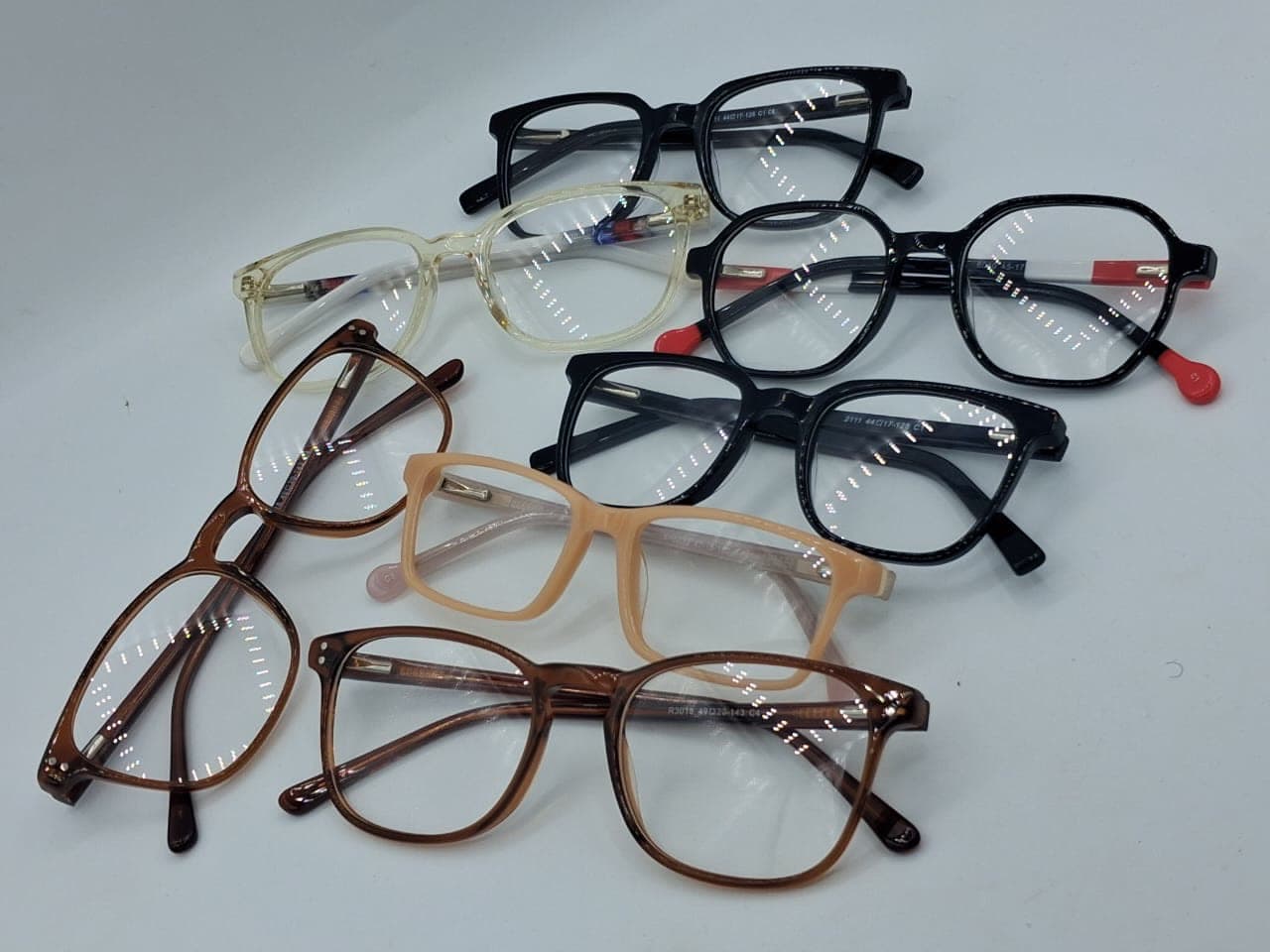
Niss Optique Médical, a licensed optical practice, offers sunglasses. Before you buy, ask to see the UV protection wording on the label or leaflet: a good pair does not mind the question. The practice is at Descente Fanta Citron, Mvog-Ada, opposite the Direction des Mines, open Monday to Friday, 8:30 to 17:30, Saturday and public holidays, 9:00 to 15:30, and Sunday by appointment.
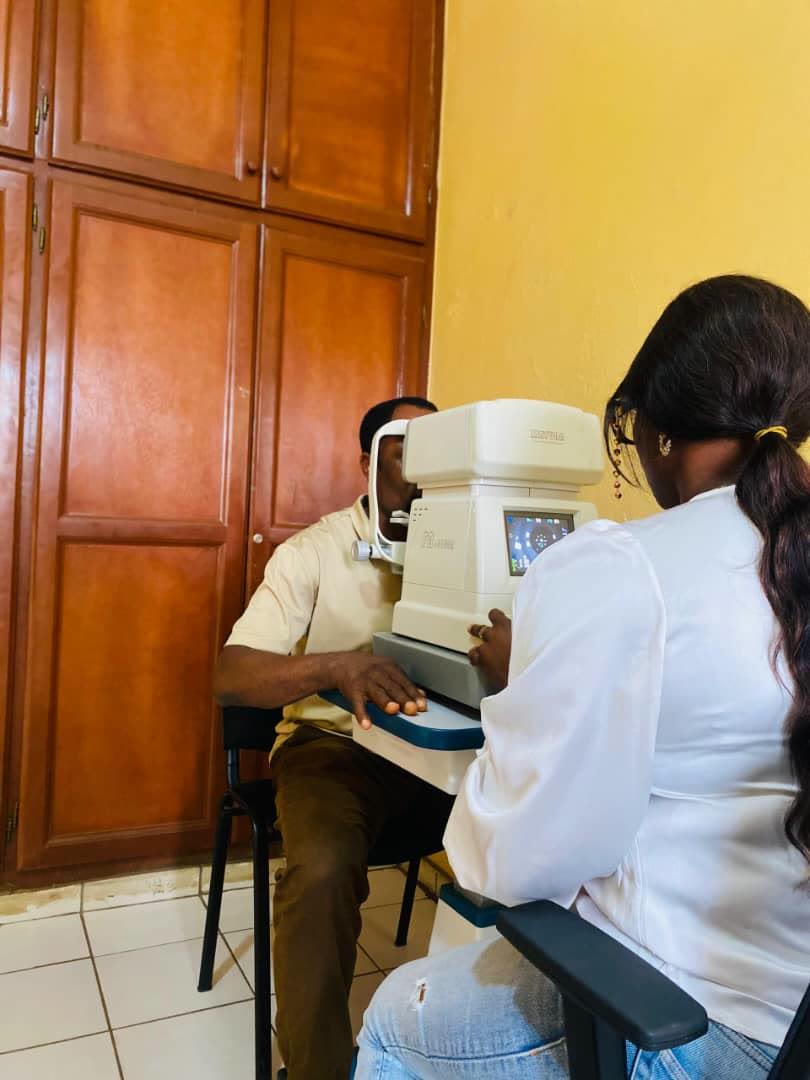
If your sight has changed, the eye exam is carried out by a refracting optician registered with the ONOC, Cameroon's national order of opticians. It costs 5,000 XAF, and it is free if you buy your glasses the same day.
To see the sunglasses on offer and ask about the price, message 699 27 75 97 on WhatsApp, or call 651 10 22 00 or 651 88 59 90.
Frequently asked questions
- What does UV400 mean?
- The lenses block ultraviolet rays up to 400 nanometres, which is more than 99% of UVA and UVB, according to the US FDA.
- Do dark lenses block UV?
- Not necessarily. The darkness of a lens says nothing about UV protection. Check the label for UV400 or 100% UV.
- Do polarised lenses block UV?
- Not by themselves. Polarisation cuts reflections; UV protection comes from a treatment or the lens material, and is shown on the label.
- Do expensive sunglasses protect better?
- No. According to the FDA and the AAO, price does not guarantee UV protection: the label is what counts.
Written by the Niss Optique Médical team, under the responsibility of its ONOC-registered refracting optician (N° 155/ONOC/2023).
This article gives general information. It does not replace an eye exam. For pain, a red eye or a sudden loss of vision, see an ophthalmologist.