Progressive lenses: do you have to wear them all day?
Short answer: Yes, in most cases. Progressive lenses are made to be worn all day, especially in the first weeks, because regular wear is what lets your eyes and brain get used to them. A few activities can justify a second pair. If they are still uncomfortable after two to three weeks, have the practice that fitted them check the glasses.
What are progressive lenses for?
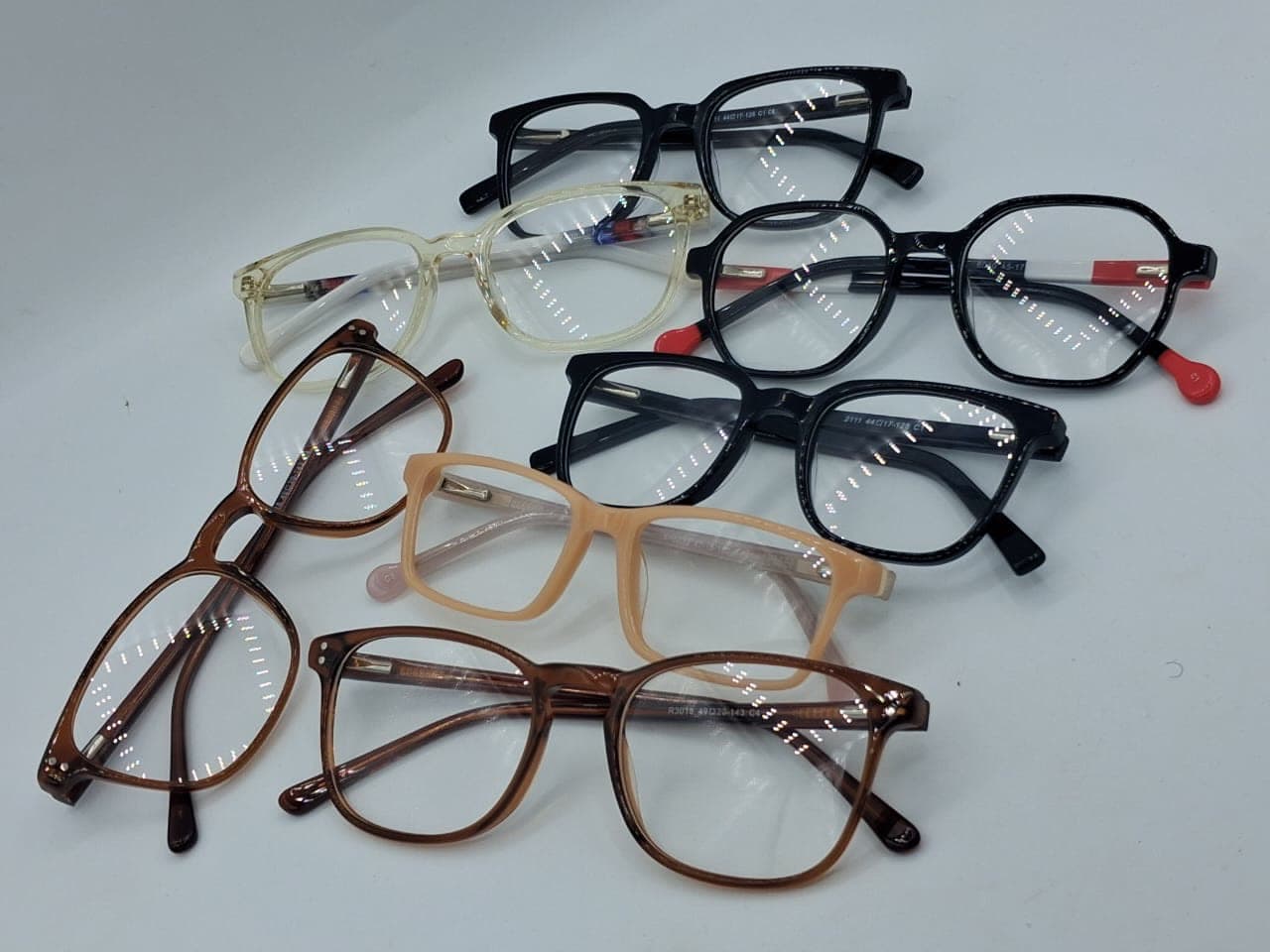
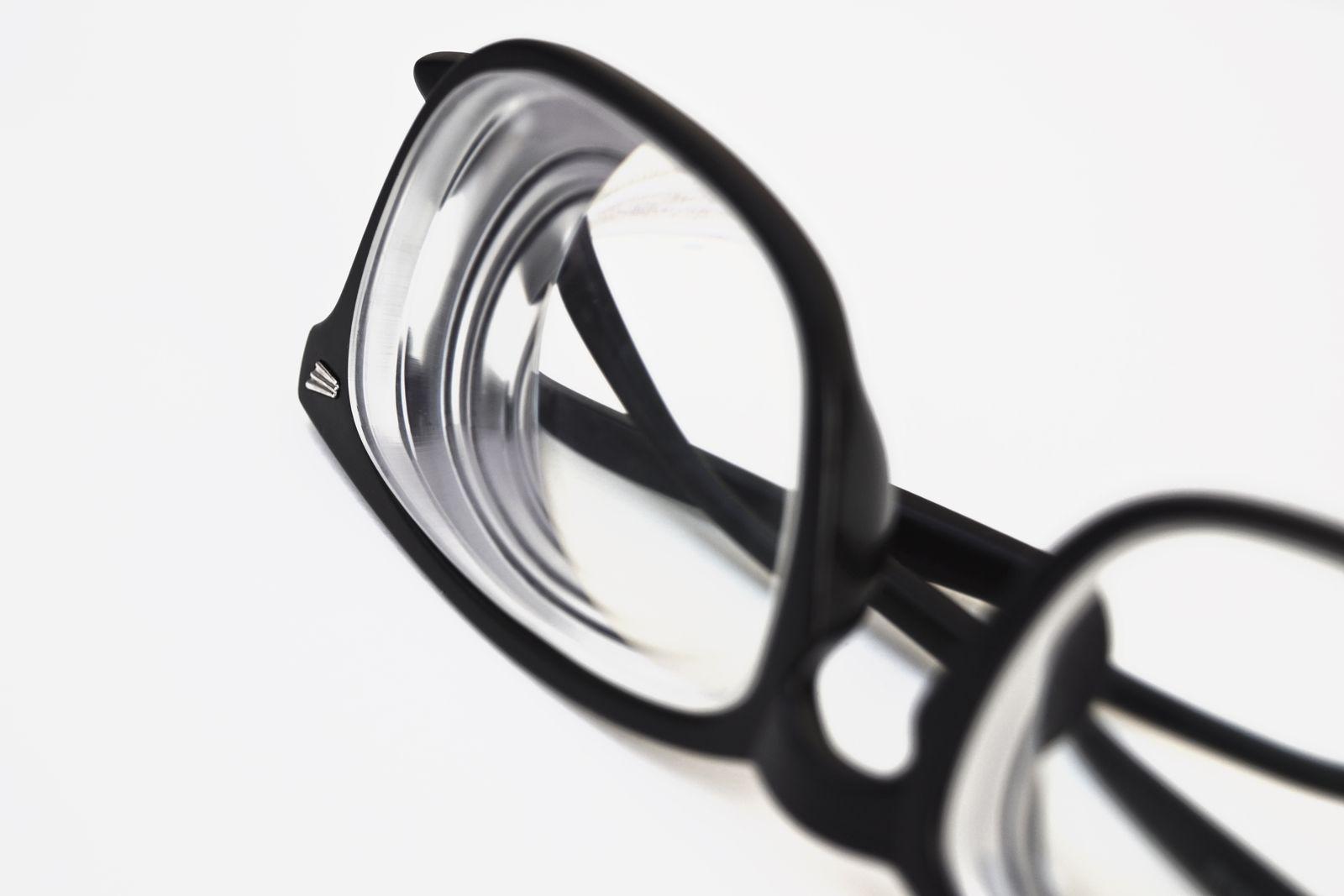
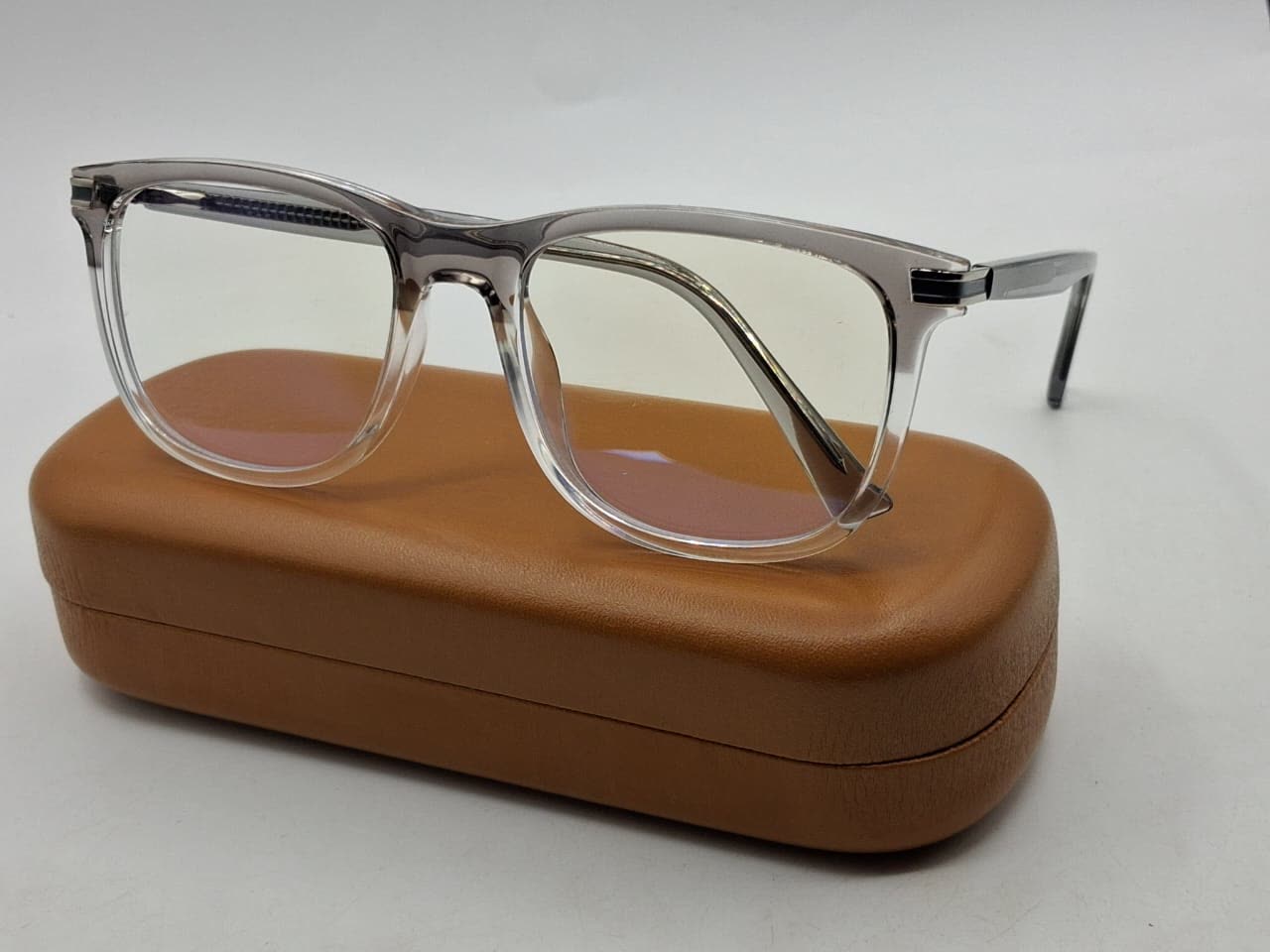
A progressive lens, also called a varifocal, corrects distance, intermediate and near vision in one lens with no visible line: the top is for far away, the middle for a screen, the bottom for reading.
It is mostly prescribed for presbyopia. The College of Optometrists, the professional body for optometrists in the UK, describes presbyopia as a natural part of ageing: the lens inside the eye loses elasticity and focusing up close gets harder, usually from your late 30s or early 40s. According to the World Health Organization (WHO), presbyopia is the leading cause of near vision impairment worldwide.
So you are in very large company. One pair then replaces the daily shuffle between "my reading glasses" and "my other glasses", and the search party for whichever of the two has wandered off.
Should I wear them from morning to night?
Yes, as a rule: progressive lenses are designed to be worn all day, and that matters most in the first few weeks.
The reason is simple. Your eyes and your brain have to learn where to look in the lens for each distance. That learning happens while the glasses are on your face, not while they sit in their case. Wearing them only "for reading", or for an hour a day, is like learning to drive by taking the car out on Sundays only: you get there, just far more slowly.
Above all, avoid switching back to your old pair. Every step back makes your eyes redo part of the journey.
How long does it take to get used to them?
Most often between a few days and two or three weeks of daily wear, depending on the person and on the prescription. Some people settle on day one and others need longer: both are normal.
- Put your glasses on when you get up, every day, at home too.
- To see far, keep your head straight and look through the top of the lens.
- To read, lower your eyes rather than your head: the reading zone is at the bottom of the lens.
- To look to the side, turn your head rather than your eyes.
- On stairs, tuck your chin down so you see the steps through the top of the lens, and hold the rail for the first few days.
- Wait until you feel at ease on foot before you get back behind the wheel.
At first the edges of the lens can look blurred, and the ground can seem a little nearer or further than it is. You may also feel you are nodding as if you agreed with everyone in the room. It passes, and nobody complains. A few habits help.
Are there times I can do without them?
Yes, a few: once you are used to them, some activities go better with a different pair, or with no glasses at all if your distance correction is very small.
- Long hours at a screen: lenses designed for screen distance give a wider intermediate zone.
- Sport: a simpler single vision pair is often more comfortable.
- Reading lying down: the reading zone sits at the bottom of the lens and becomes awkward to use.
These are extras, not reasons to give up on your progressive lenses. A second pair is an option, never an obligation: describe your days, and the practice will tell you whether one makes sense for you. Your budget is allowed an opinion.
What if they are still uncomfortable?
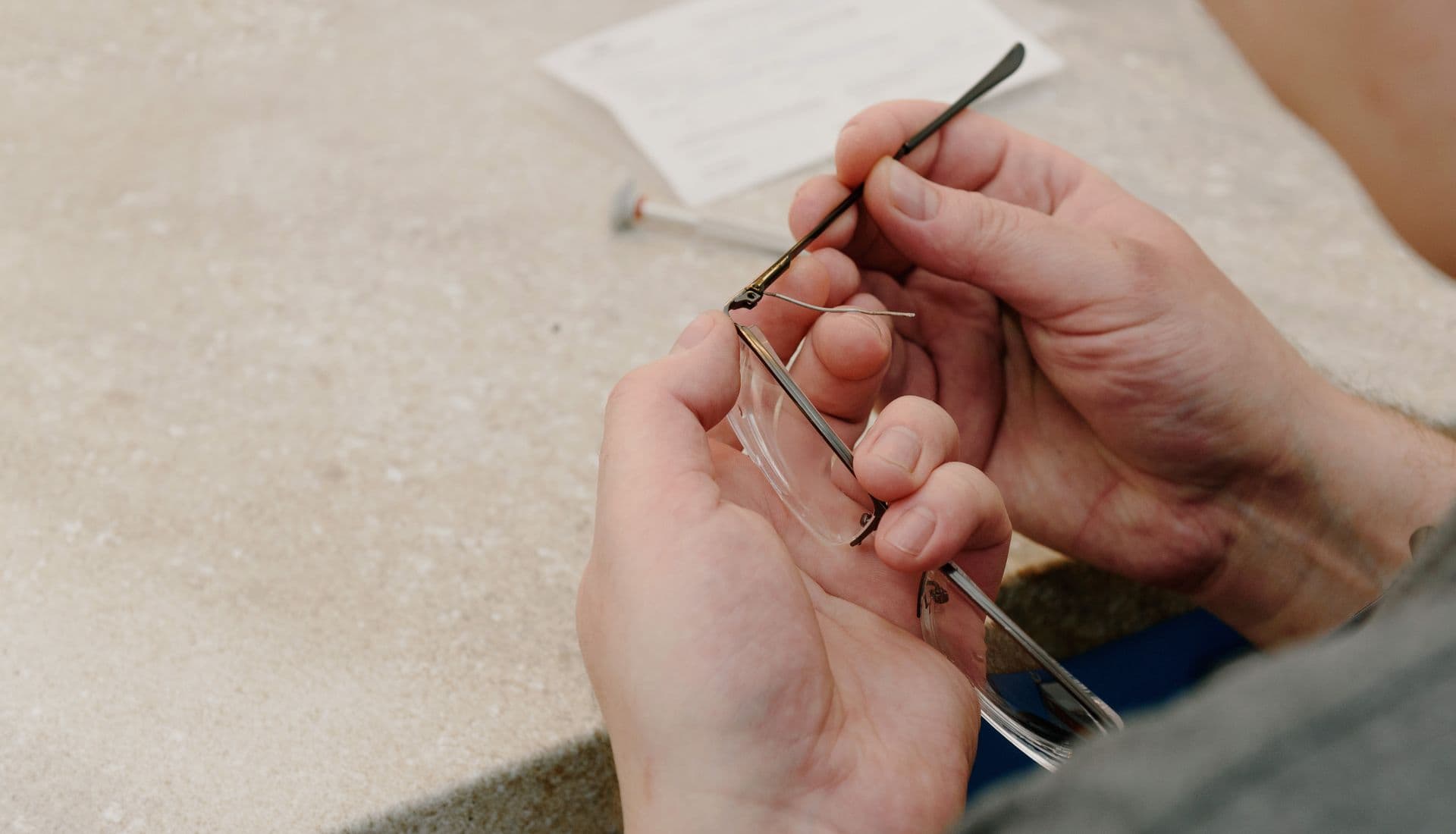
If the discomfort lasts beyond two to three weeks of daily wear, go back to the practice that fitted your glasses: the fitting is the first thing to check.
Three things can be checked in a few minutes: how the lenses are centred in front of your pupils, the height at which they are mounted, and how the frame sits on your nose and ears. A frame that slips a few millimetres moves every zone of the lens. That is not much for a frame, and a great deal for a line of text.
This article is general information and does not replace an eye exam. If you have pain, a red eye or a sudden loss of vision, do not wait: see an ophthalmologist.
Where can I get progressive lenses made or checked in Yaoundé?
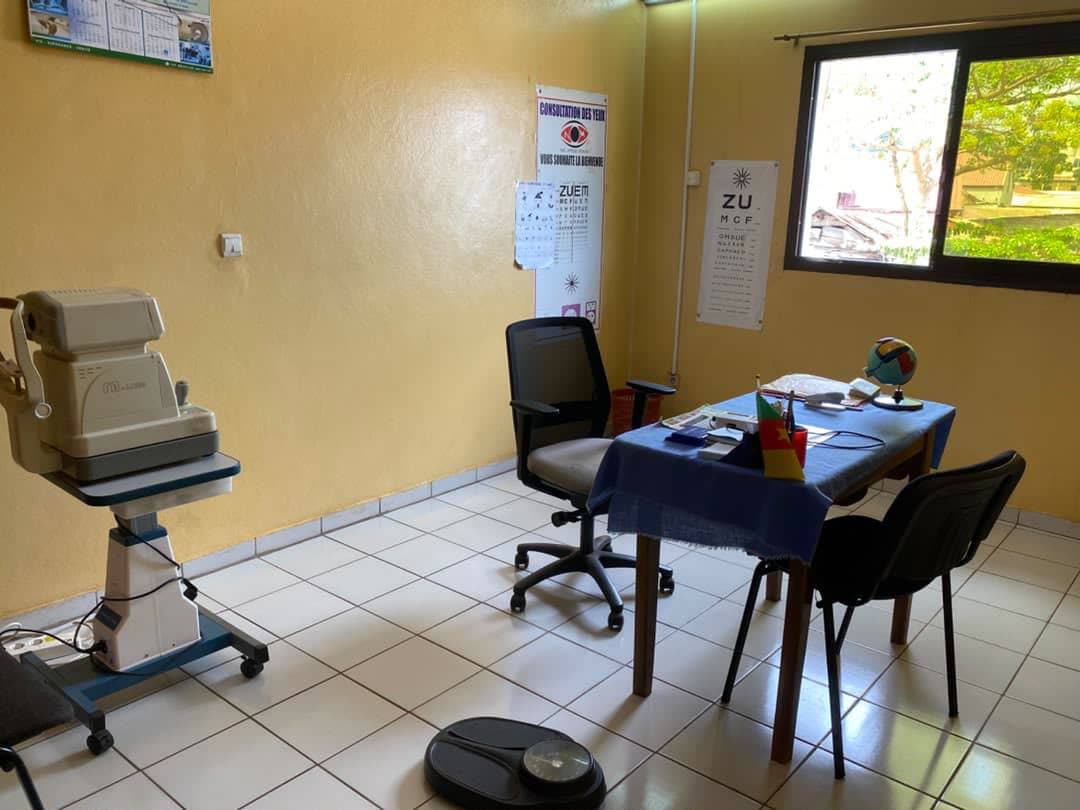
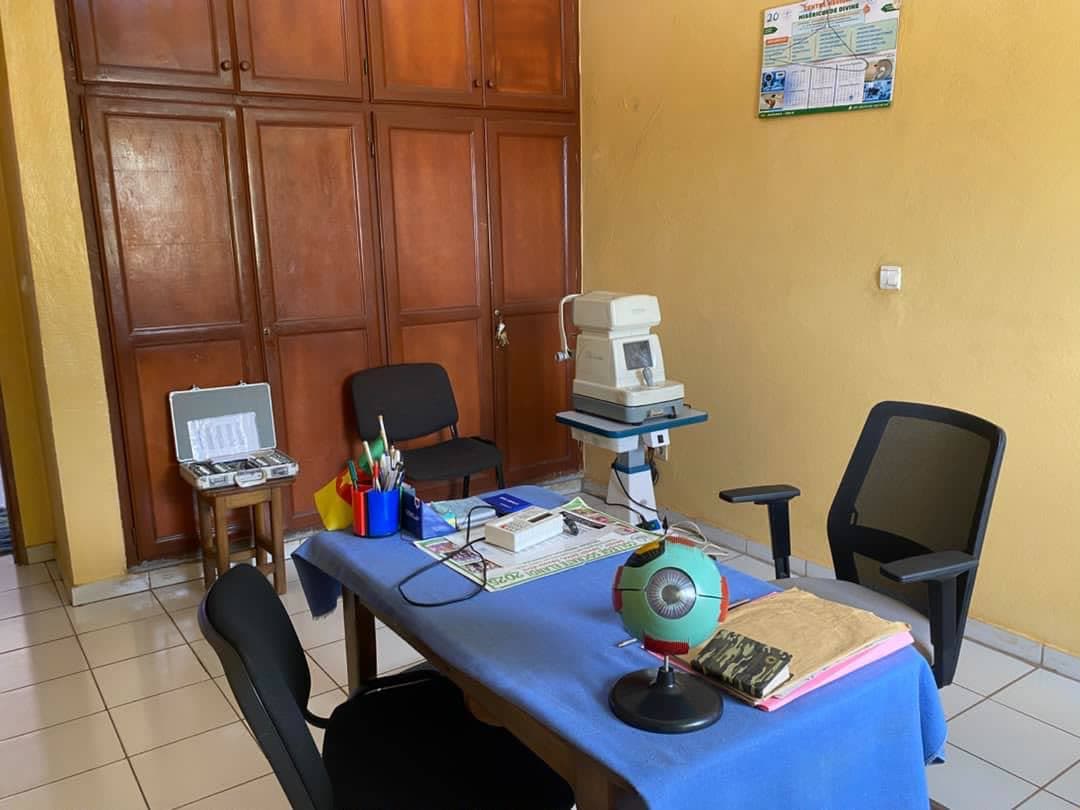
Niss Optique Médical, a licensed optical practice, is at Descente Fanta Citron, Mvog-Ada, opposite the Direction des Mines, open Monday to Friday, 8:30 to 17:30, and Saturday, 9:00 to 15:30.
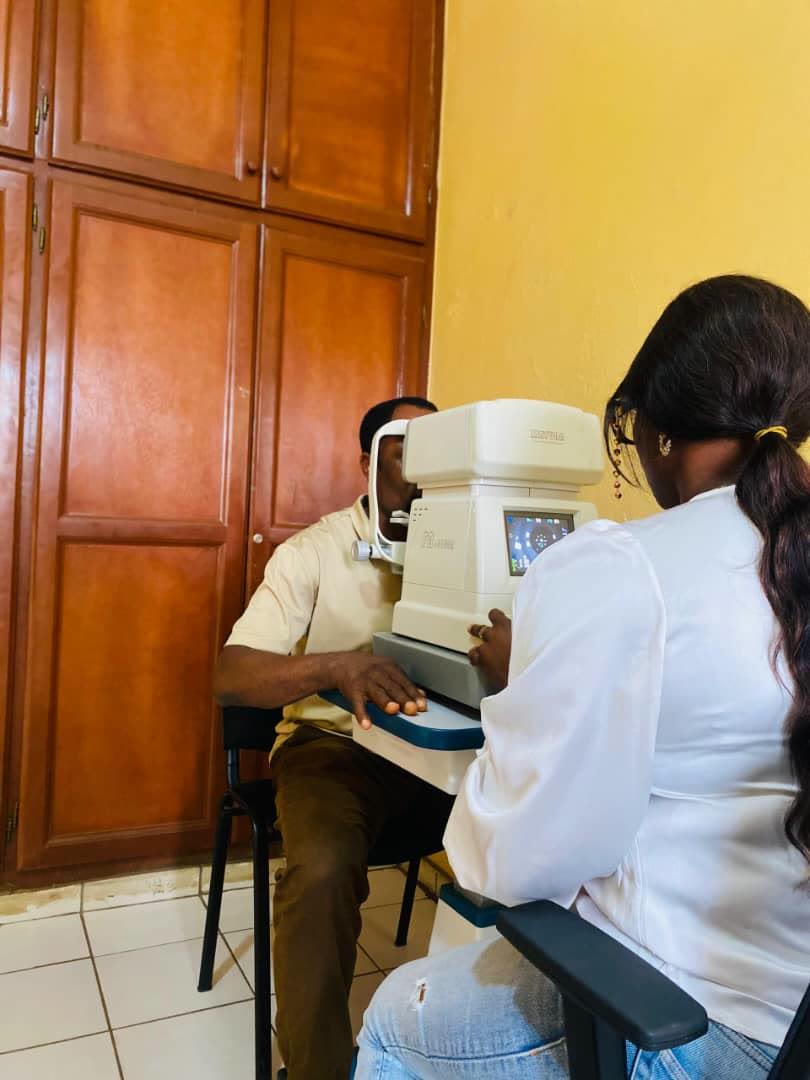
The eye exam is carried out by a refracting optician registered with the ONOC, Cameroon's national order of opticians. It costs 5,000 XAF, and it is free if you buy your glasses the same day. Glasses are ready in 24 hours, progressive lenses included; special-order lenses take 10 working days. The price of the lenses depends on your prescription, so ask for a quote.
Message 699 27 75 97 on WhatsApp with a photo of your prescription, or call 651 10 22 00 or 651 88 59 90. And if your two pairs are still playing hide and seek around the house, this may be the moment to keep just one.
Frequently asked questions
- Can I wear progressive lenses only for reading?
- It is not advised, especially at the start. Progressive lenses are worn all day so that the eyes and brain get used to them. For reading only, single vision near lenses exist.
- How long does it take to adapt to progressive lenses?
- Most often between a few days and two or three weeks of daily wear, depending on the person and the prescription.
- Can I drive with progressive lenses?
- Yes. The top of the lens corrects distance vision and the intermediate zone covers the dashboard. In the first days, wait until you feel at ease before driving.
- What should I do if I cannot get used to my progressive lenses?
- After two to three weeks of daily wear with no improvement, have the centring, the fitting height and the frame adjustment checked by the practice that fitted the glasses.
Written by the Niss Optique Médical team, under the responsibility of its ONOC-registered refracting optician (N° 155/ONOC/2023).
This article gives general information. It does not replace an eye exam. For pain, a red eye or a sudden loss of vision, see an ophthalmologist.