Hyperopia (long-sightedness): signs and correction
Short answer: Hyperopia, or long-sightedness, means the eye is slightly too short, so the image forms behind the retina. Mild hyperopia is often made up for by extra focusing effort, which can cause tired eyes and headaches when reading. It is measured during an eye exam and corrected with glasses or contact lenses.
What does it mean to be long-sighted?
Being long-sighted means having a refractive error: the eye is slightly too short for the focusing power of the cornea and lens. The MSD Manuals (consumer version, updated January 2026) explain that light then comes to a focus behind the retina instead of on it.
France's national health insurance, Assurance Maladie (ameli.fr, article of 12 February 2025), puts it simply: objects look blurred, especially up close. It is the opposite of myopia, where the eye is too long and distant things look blurred. A long-sighted eye is not slow. It just aims its focus a little too far back.
Why does close-up work tire long-sighted eyes?
Because the eye makes up for it by working harder. Assurance Maladie explains that moderate hyperopia can be offset by accommodation, the ability of the lens inside the eye to change shape and focus up close. Vision becomes clear, but only through constant effort.
- Headaches at the end of the day, especially after reading.
- Tired or stinging eyes after a long stretch on a screen or a document.
- Letters that blur up close, especially in the evening or in poor light.
When that effort goes on for long, during a long read or a day at the computer, it can cause headaches, tired eyes and blurry close vision. The MSD Manuals add that close-up blur is worse in dim light. And no, the newspaper did not quietly switch to a smaller font.
Can a child be long-sighted without anyone noticing?
Yes, and it is common. According to Assurance Maladie, babies and young children very often have mild hyperopia, which usually fades on its own as the eye grows, generally by around 10 to 12 years old.
Stronger hyperopia is a different matter. Assurance Maladie says it raises the risk of a squint, where the eyes turn inwards, and that a strongly long-sighted child without glasses sees blurred all the time and may seem "dreamy". The MSD Manuals also list signs during reading: frowning, squinting, blinking a lot or rubbing the eyes.
A child who never complains is not necessarily a child who sees well. They simply have no idea how everyone else sees. Our article on school vision screening lists the classroom signs worth watching for.
Are hyperopia and presbyopia the same thing?
No, even though both make close vision harder. Hyperopia comes from the shape of the eye and can be there from childhood. Presbyopia comes with age: the MSD Manuals explain that around 40 the lens stiffens and focuses less well up close, in everyone.
The two can add up. Because a long-sighted eye relied on that focusing effort, Assurance Maladie notes that vision gets worse up close and in the distance too, especially with strong hyperopia or after 50. Birthdays, sadly, are not open to negotiation, however good the cake.
How is hyperopia corrected?
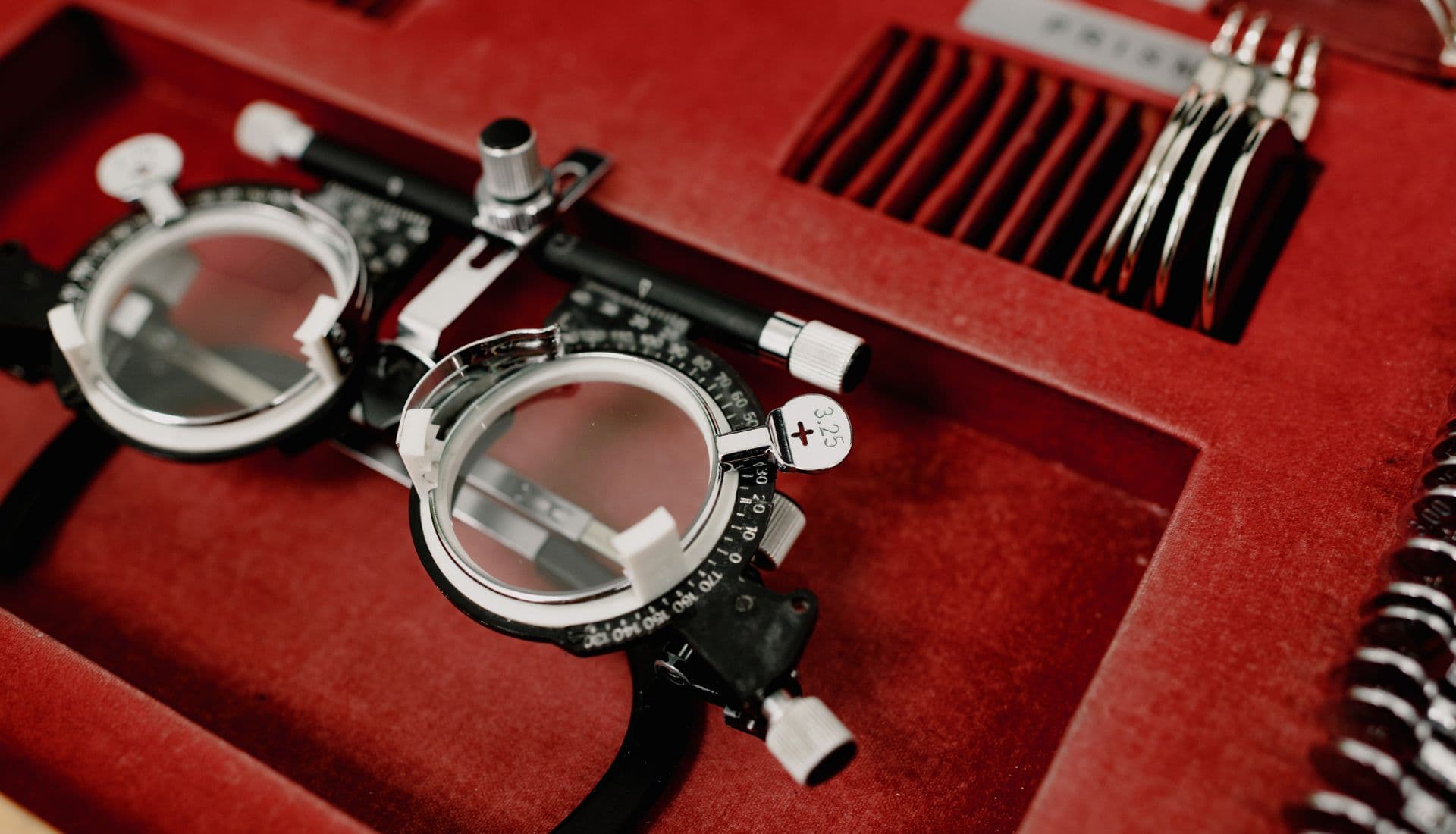
Most often with glasses or contact lenses, which bring the image back onto the retina and take the strain off the eye. The correction is measured one eye at a time during the eye exam, called a refraction.
For a child whose eyes turn inwards because of strong hyperopia, Assurance Maladie says the glasses must be worn all the time, and the follow-up is a matter for an ophthalmologist. It also points out that hyperopia does not get worse, since the eye does not shrink, but it becomes harder to cope with as you age, so the prescription should be checked from time to time. Your uncle's old glasses are best left with your uncle.
This article is general information and does not replace an eye exam. If you have eye pain, a red eye or a sudden loss of vision, see an ophthalmologist without delay.
Where can I have hyperopia measured in Yaoundé?
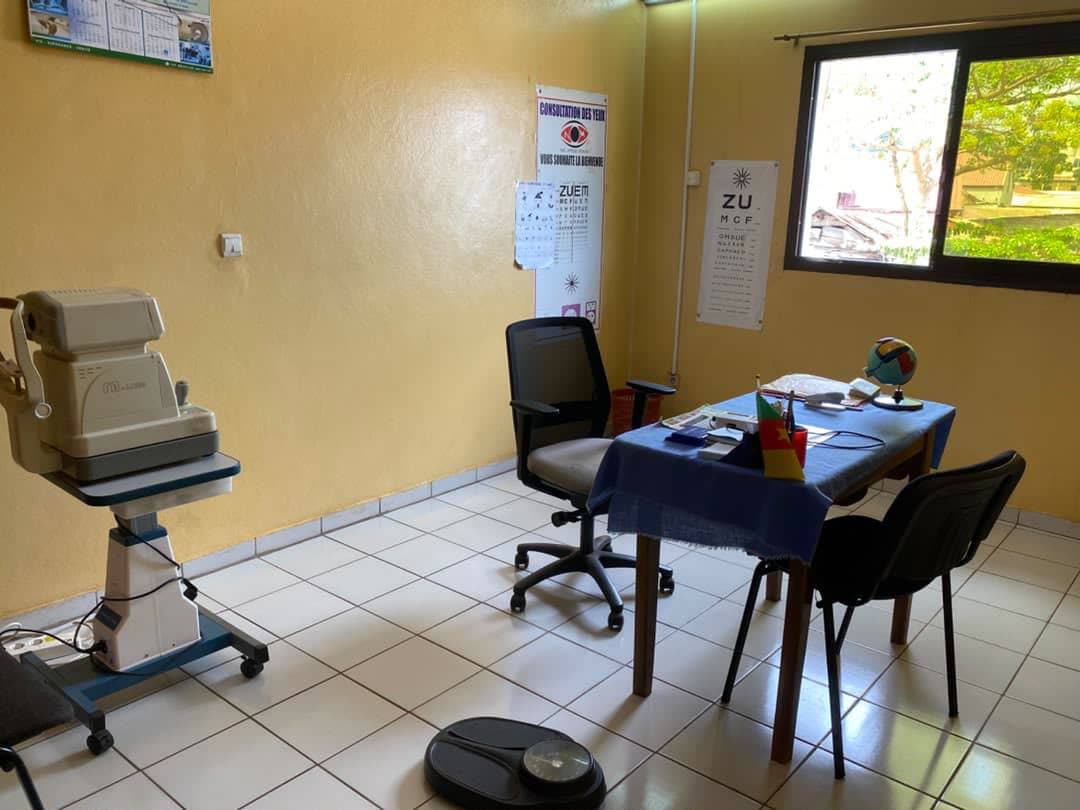
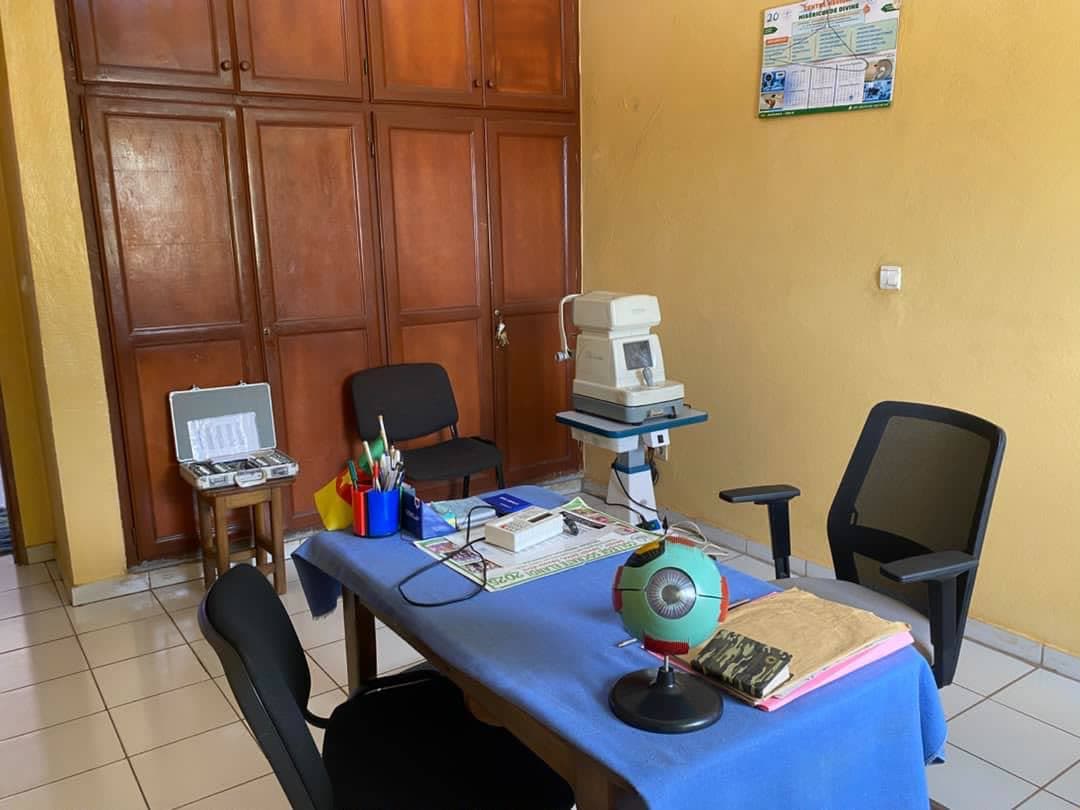
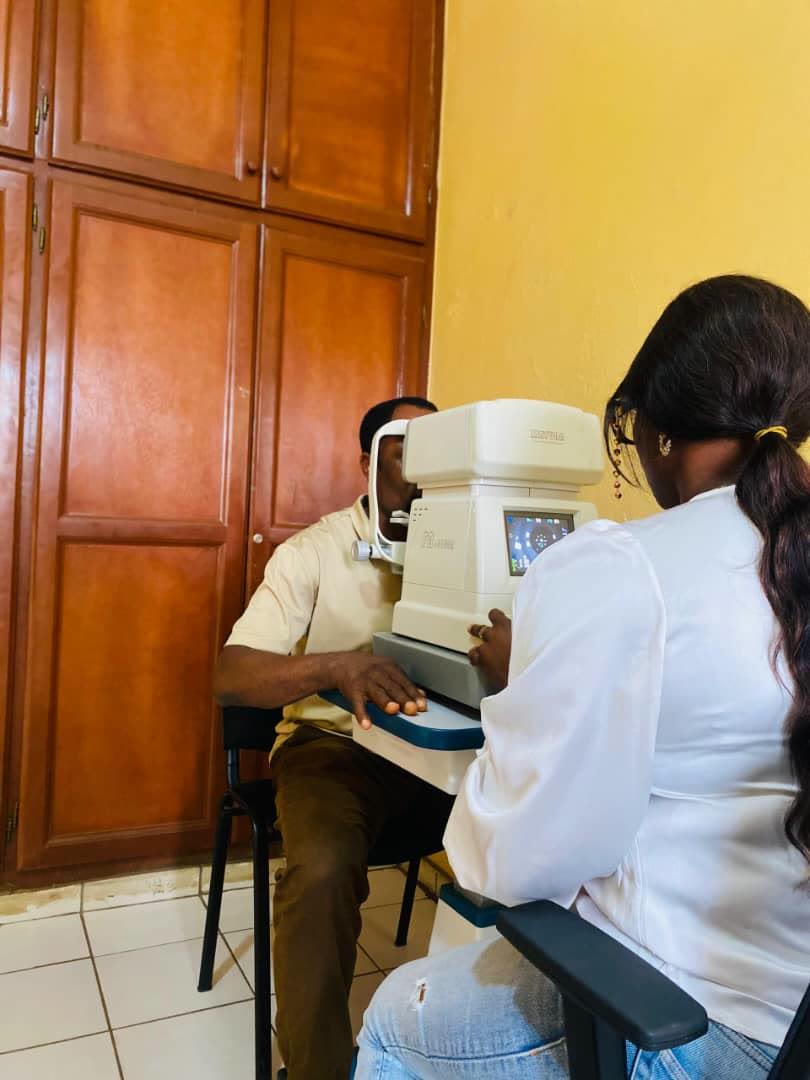
At Niss Optique Médical, Descente Fanta Citron, Mvog-Ada, opposite the Direction des Mines. The eye exam is carried out by a refracting optician registered with the ONOC, Cameroon's national order of opticians. It costs 5,000 XAF, and it is free if you buy your glasses the same day.
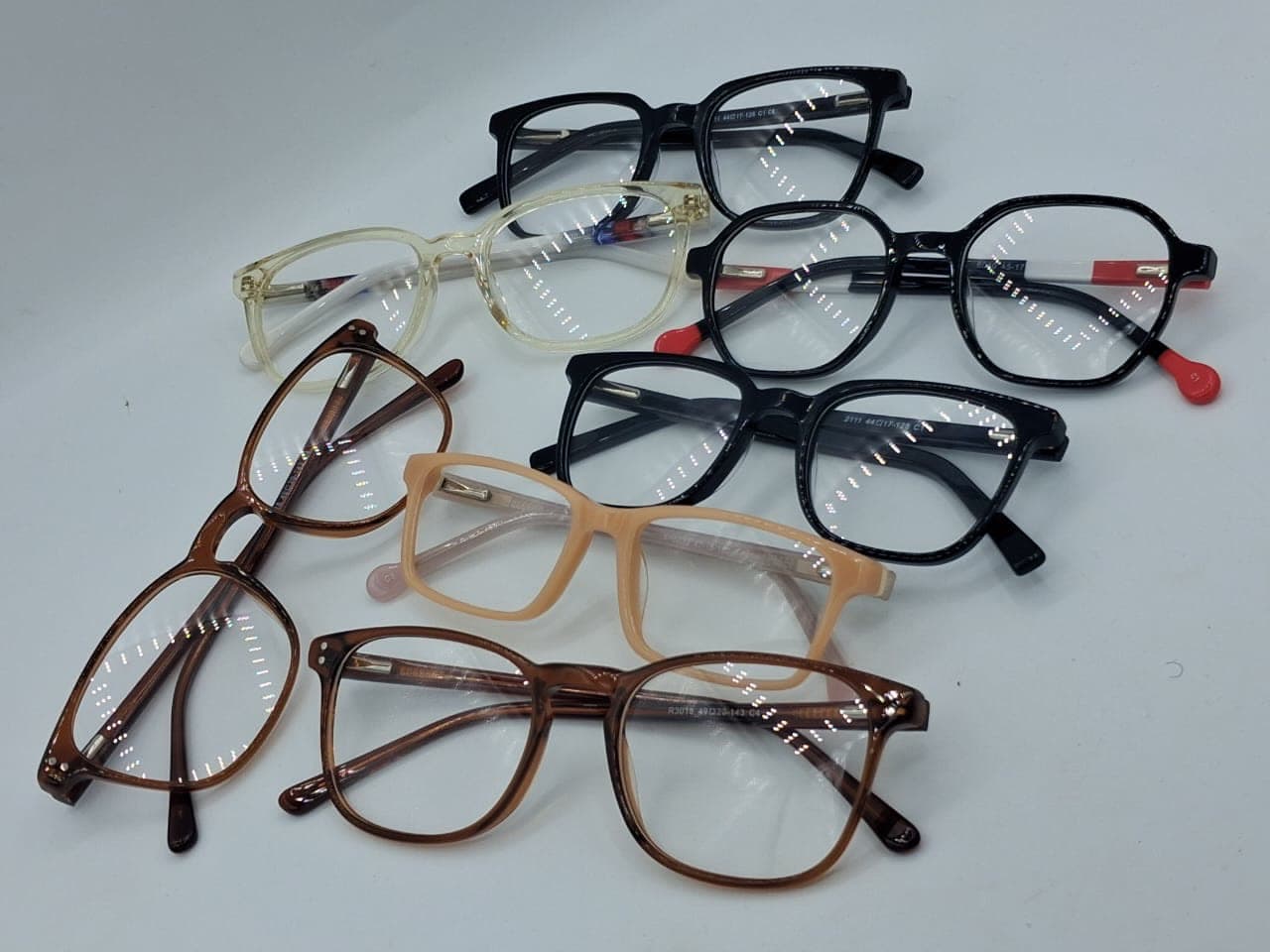
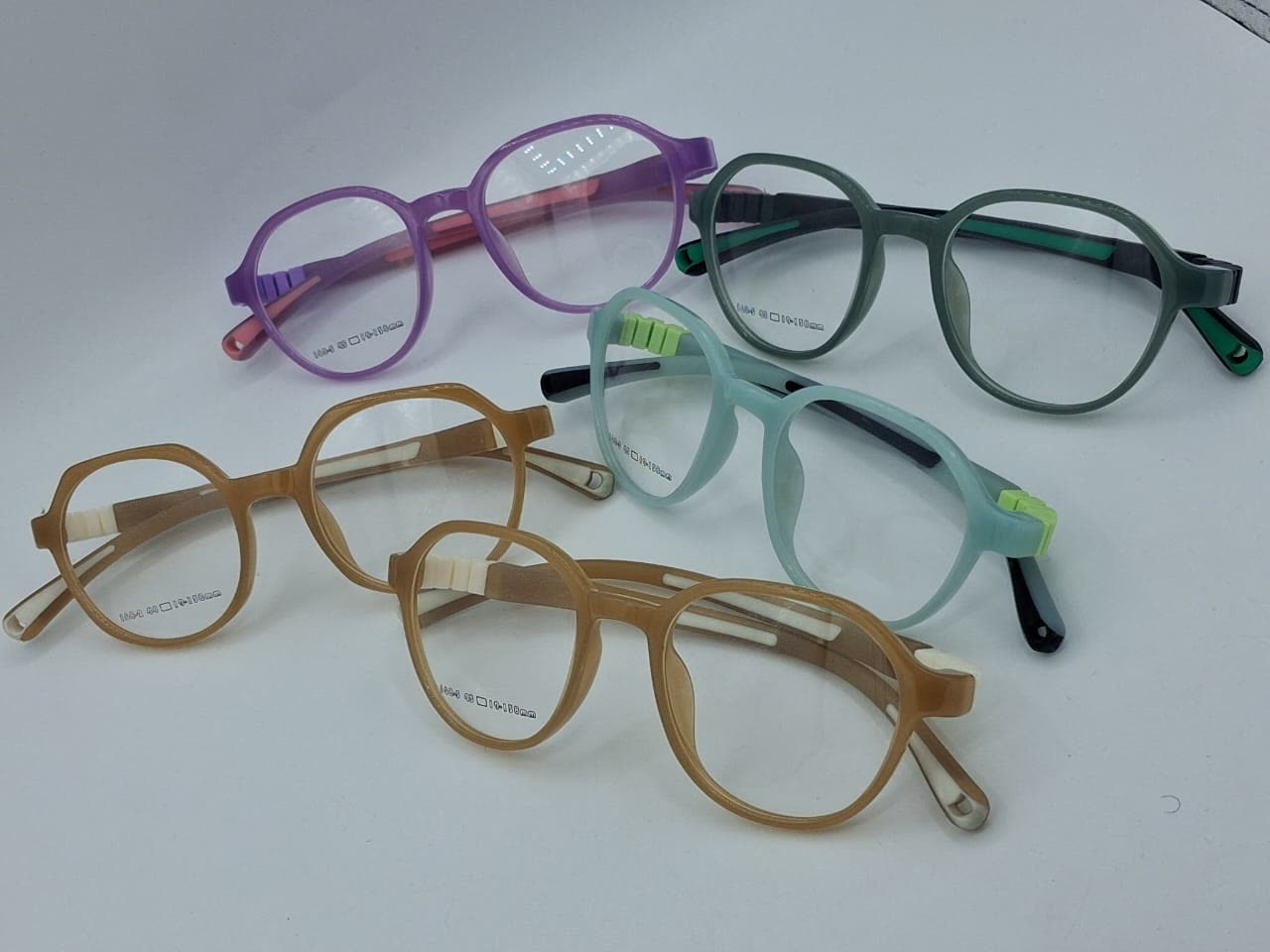
Frames range from 10,000 to 100,000 XAF, and glasses are ready in 24 hours, progressive lenses included; some special-order lenses take 10 working days. You can pay in instalments, settled before you collect your glasses. For the price of your lenses, ask for a quote on WhatsApp at 699 27 75 97, or call 651 10 22 00 or 651 88 59 90.
Niss Optique Médical, a licensed optical practice, is open Monday to Friday, 8:30 to 17:30, Saturday and public holidays, 9:00 to 15:30, and Sunday by appointment.
Frequently asked questions
- Does long-sightedness blur near or far vision?
- Mostly near vision. Mild hyperopia is often offset by the eye's own focusing effort; strong hyperopia, or age, can blur distance vision too.
- Does hyperopia in children go away?
- Mild hyperopia is normal in young children and often fades as the eye grows, by around 10 to 12 years old, according to Assurance Maladie. Stronger hyperopia stays and needs correcting.
- What is the difference between hyperopia and presbyopia?
- Hyperopia comes from the shape of the eye, which is too short, and can be present from childhood. Presbyopia is age-related: from around 40, the lens focuses less well up close.
- Do I need to wear glasses for hyperopia all the time?
- It depends on your prescription and your symptoms. The refracting optician will tell you whether they are mainly for close work or for all day; for a child with a squint, an ophthalmologist often asks for full-time wear.
Written by the Niss Optique Médical team, under the responsibility of its ONOC-registered refracting optician (N° 155/ONOC/2023).
This article gives general information. It does not replace an eye exam. For pain, a red eye or a sudden loss of vision, see an ophthalmologist.