Astigmatism: what it is and how glasses correct it
Short answer: Astigmatism is a common focusing problem caused by a cornea or lens that is not evenly curved. Light does not come to a single point on the retina, so vision can be blurred or distorted at any distance. It is not an eye disease. It is measured during an eye exam and is usually corrected with glasses or contact lenses.
What is astigmatism?
Astigmatism is a refractive error: the cornea, or sometimes the lens inside the eye, is not evenly curved. The MSD Manuals (consumer version, updated January 2026) describe it as a cornea or lens with an imperfect shape that can make objects look blurred at any distance.
The American Academy of Ophthalmology (article of July 2026) puts it this way: an eye without astigmatism is round like a basketball, while an eye with astigmatism is shaped more like an American football. You do not need to follow either sport to get the idea. One is round, one is not.
It is not an eye disease, and it is not unusual. The same source says astigmatism is very common, and that nobody knows exactly why the shape of the cornea varies from person to person.
What signs mean you should get your eyes checked?
The signs most often listed are blurred or distorted vision, headaches, squinting to see clearly, and eye discomfort. The American Academy of Ophthalmology points out that these signs do not always mean astigmatism. They simply mean it is time for an eye exam.
- Blurred vision both far away and up close.
- Letters that look smudged or doubled.
- Headaches or tired eyes after reading or screen work.
- Squinting to see clearly.
- Discomfort when driving at night.
Many people also notice that letters look doubled or smeared, or that headlights and street lamps leave streaks at night. If you are tilting your phone to read this, you may already know where this is going.
Astigmatism or short-sightedness: what is the difference?
Short-sightedness (myopia) blurs things that are far away. Astigmatism can blur things at every distance, because light is not focused on a single point. You can have both: short-sighted with astigmatism, or long-sighted with astigmatism.
That combination is common. The American Academy of Ophthalmology notes that many people have astigmatism together with short or long sight, which is why a glasses prescription often has several numbers on it. A prescription with three columns is not a complicated prescription. It is a thorough one.
How is astigmatism measured?
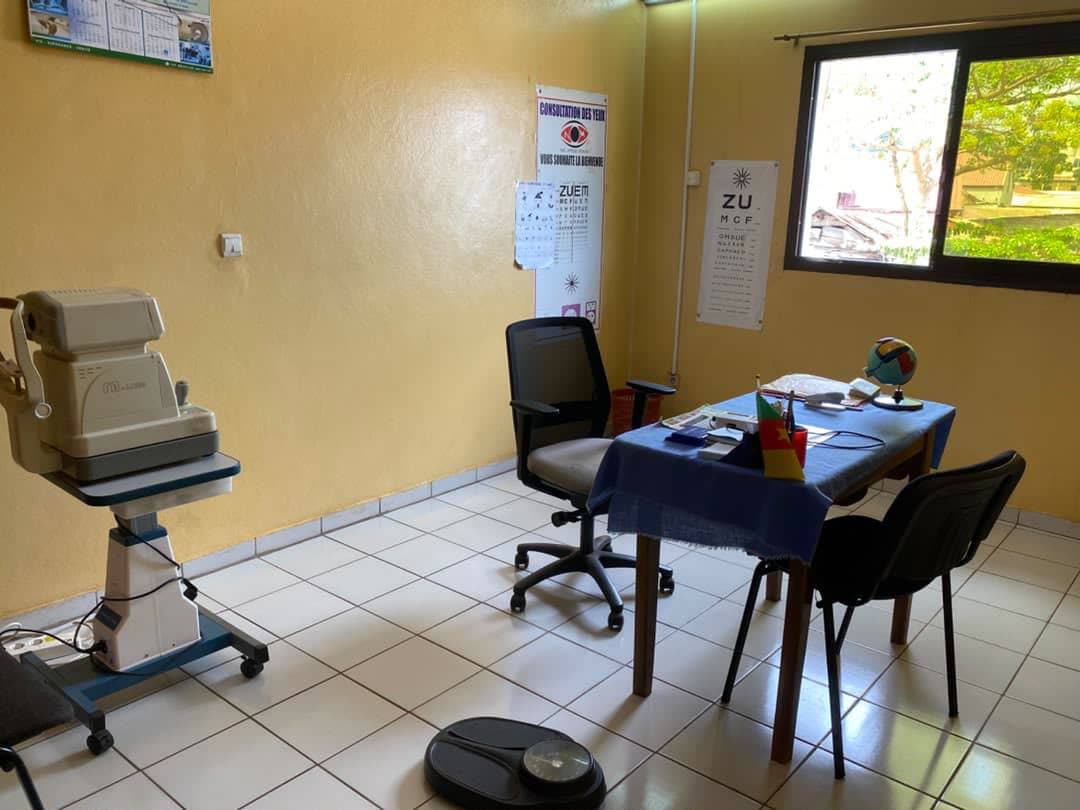
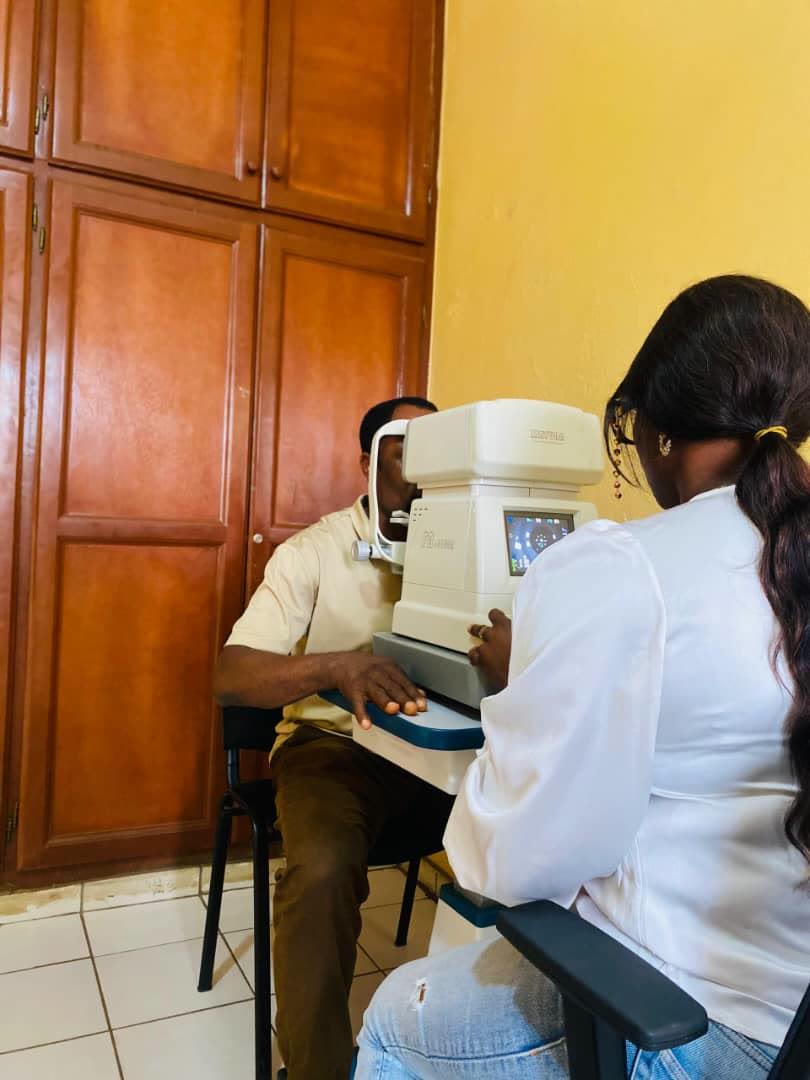
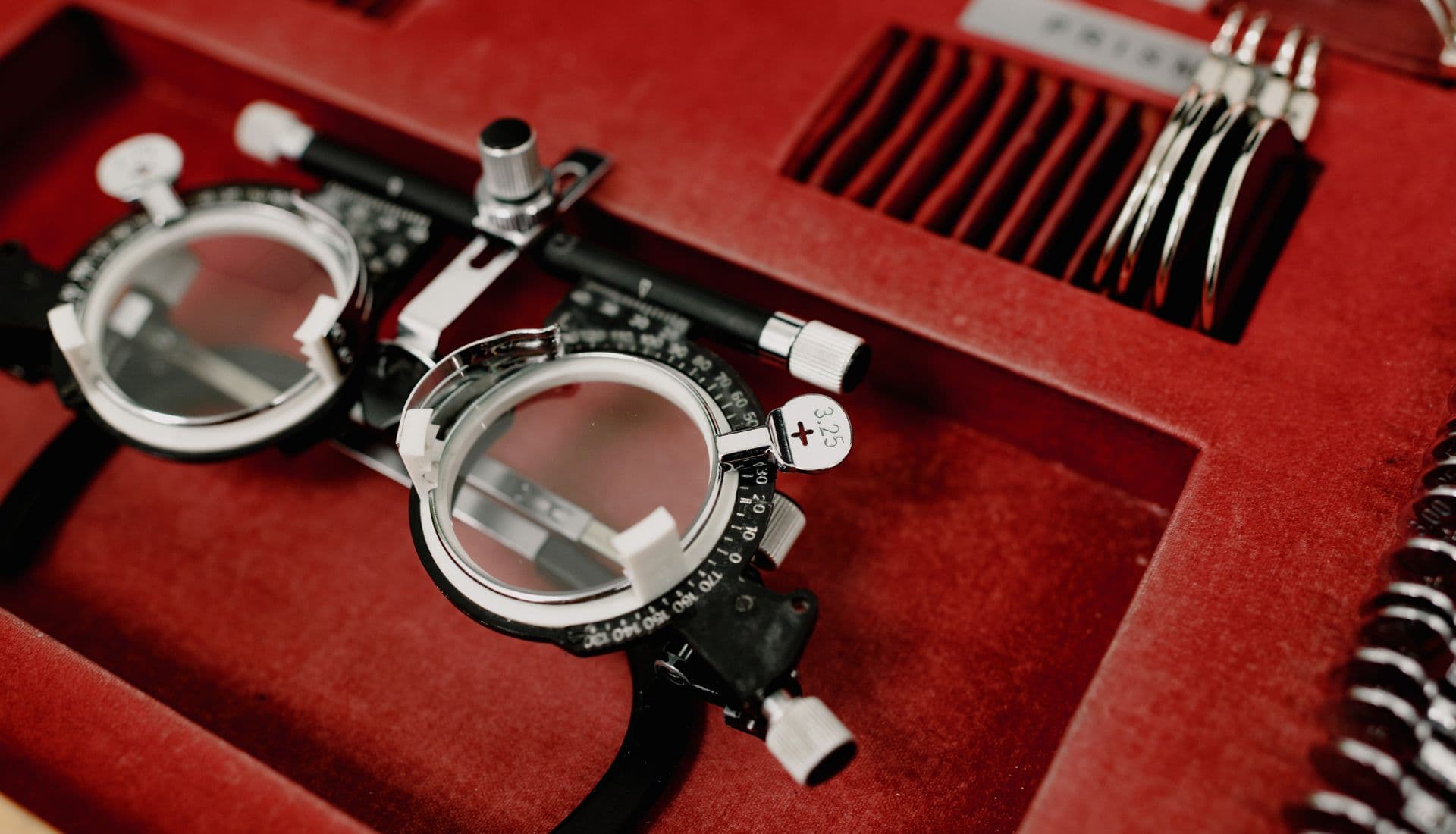
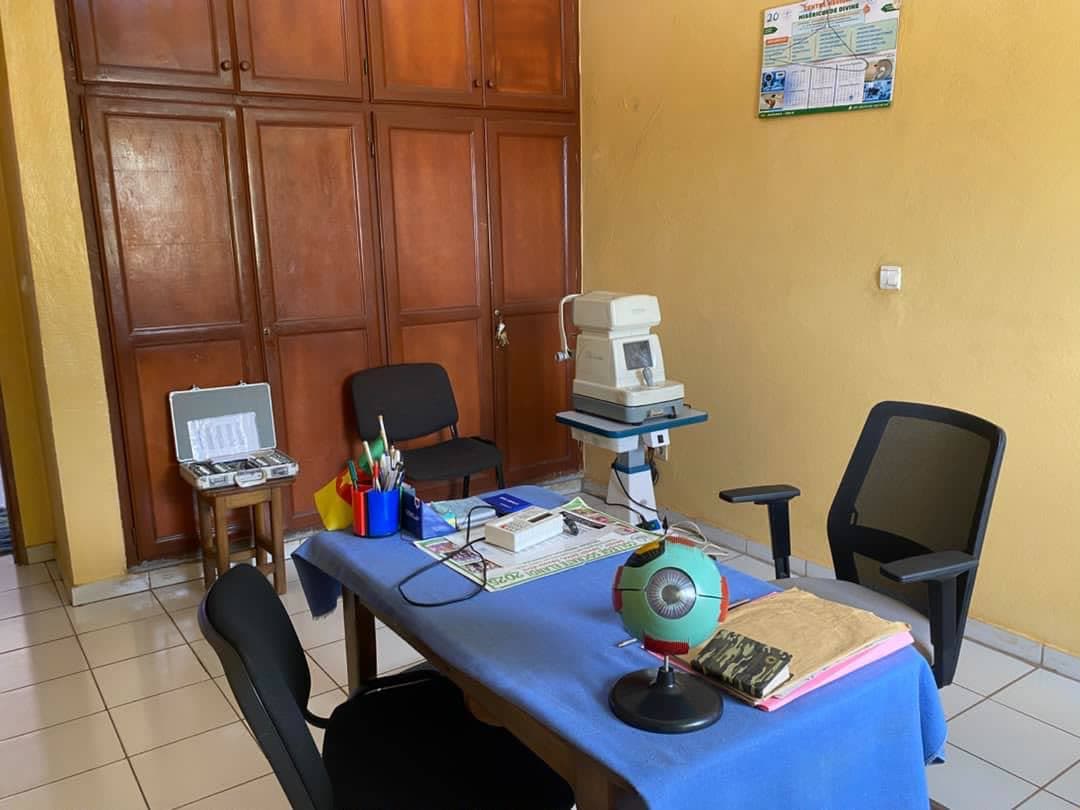
Astigmatism is measured during the eye exam, through refraction. You read letters on a chart, an auto-refractor gives a first reading, and then trial lenses are compared to find the clearest correction.
It is written in dioptres, with an axis that shows its direction. According to the American Academy of Ophthalmology, most people have a small amount of astigmatism, and glasses or contact lenses usually become necessary for clear vision from about 1.5 dioptres. Below that, the eye often copes, but it works harder to do so.
Children rarely complain, because they do not know that blur is not normal. Our article on school vision screening lists the classroom signs worth watching for.
How is astigmatism corrected?
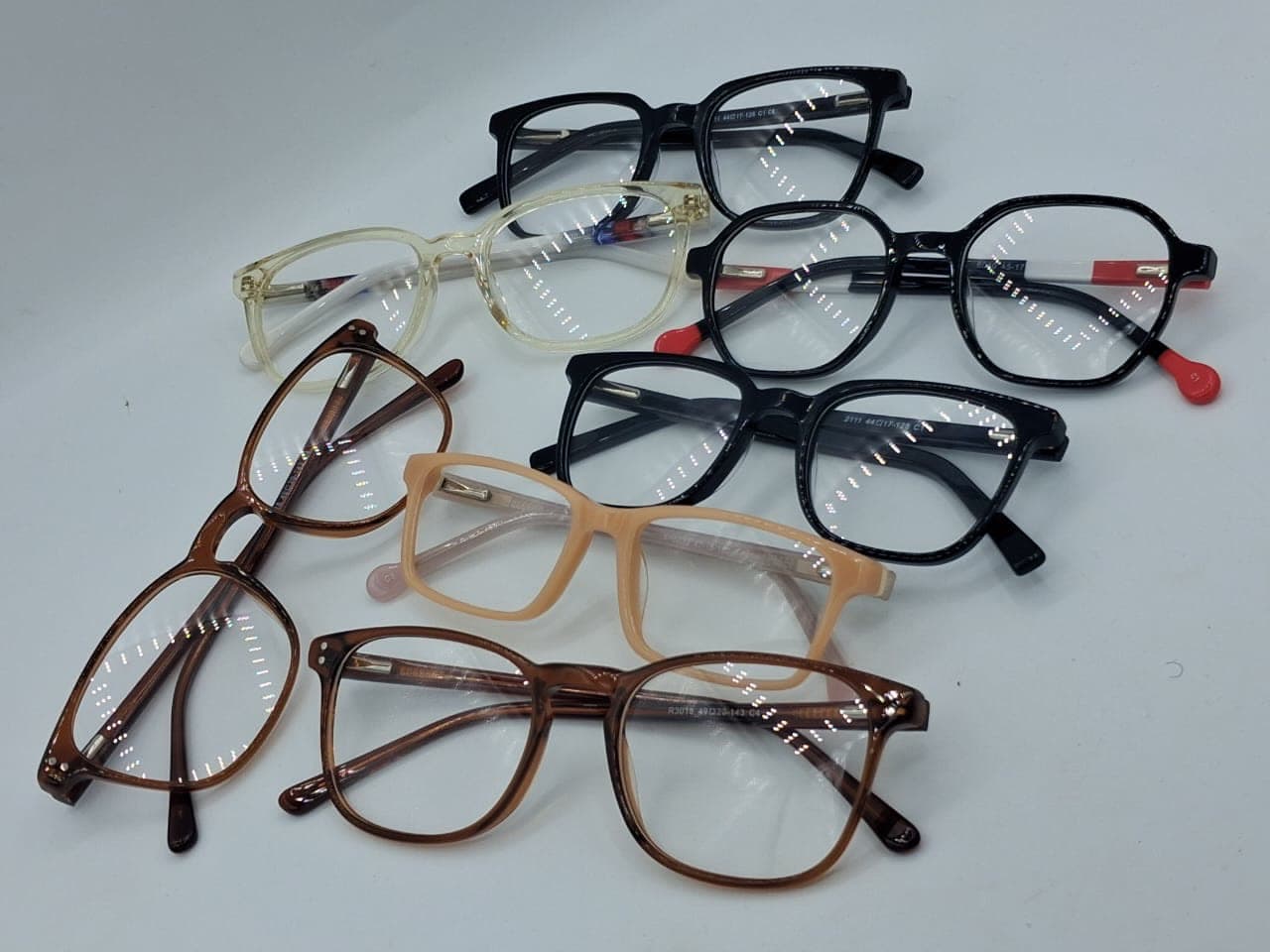
Most often with glasses, whose lenses are made to offset the uneven curve of the eye. Contact lenses designed for astigmatism (called toric lenses) and refractive surgery are other options to discuss with an eye-care professional.
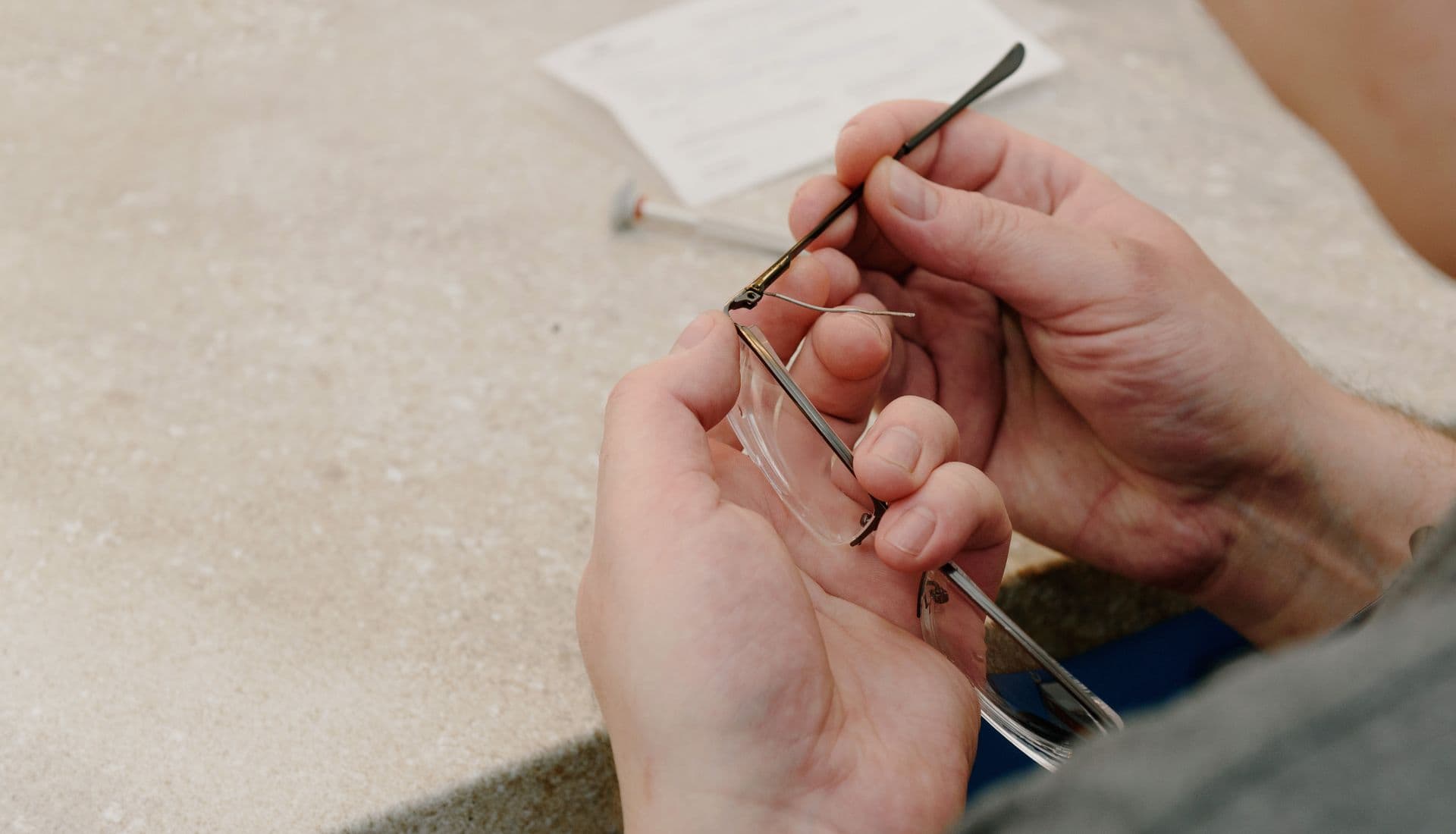
In the first days with a new correction, the floor may seem slightly tilted or objects a little stretched while your brain adjusts. If the discomfort lasts, bring the glasses back to be checked: an axis that is slightly off can be put right. Coming back is not a complaint. It is what the workshop is there for.
This article is general information and does not replace an eye exam. If you have eye pain, a red eye or a sudden loss of vision, see an ophthalmologist without delay.
Where can I have astigmatism measured in Yaoundé?
At Niss Optique Médical, Descente Fanta Citron, Mvog-Ada, opposite the Direction des Mines. The eye exam is carried out by a refracting optician registered with the ONOC, Cameroon's national order of opticians. It costs 5,000 XAF, and it is free if you buy your glasses the same day.
Frames range from 10,000 to 100,000 XAF, and glasses are ready in 24 hours, progressive lenses included; some special-order lenses take 10 working days. You can pay in instalments, settled before you collect your glasses. For the price of your lenses, ask for a quote on WhatsApp at 699 27 75 97, or call 651 10 22 00 or 651 88 59 90.
Niss Optique Médical, a licensed optical practice, is open Monday to Friday, 8:30 to 17:30, Saturday and public holidays, 9:00 to 15:30, and Sunday by appointment.
Frequently asked questions
- Is astigmatism serious?
- Astigmatism is a very common refractive error, not an eye disease. It is usually corrected with glasses or contact lenses.
- Can you be short-sighted and have astigmatism?
- Yes. Astigmatism often comes with short or long sight, and one pair of glasses corrects both.
- Do I need to wear glasses for astigmatism all the time?
- It depends on how much astigmatism you have and what you need to see. The person who does your eye exam will tell you when to wear them.
- Can children have astigmatism?
- Yes. Astigmatism is common in children, who often do not complain of blur. An eye exam can check for it.
Written by the Niss Optique Médical team, under the responsibility of its ONOC-registered refracting optician (N° 155/ONOC/2023).
This article gives general information. It does not replace an eye exam. For pain, a red eye or a sudden loss of vision, see an ophthalmologist.