Reading glasses: ready-made readers or prescription?
Short answer: Ready-made reading glasses, or readers, magnify equally for both eyes. They can suit someone with presbyopia who sees well at a distance and whose two eyes need the same correction. The American Academy of Ophthalmology says they may not suit you if your eyes differ or you have myopia or astigmatism. An eye exam tells you the right strength.
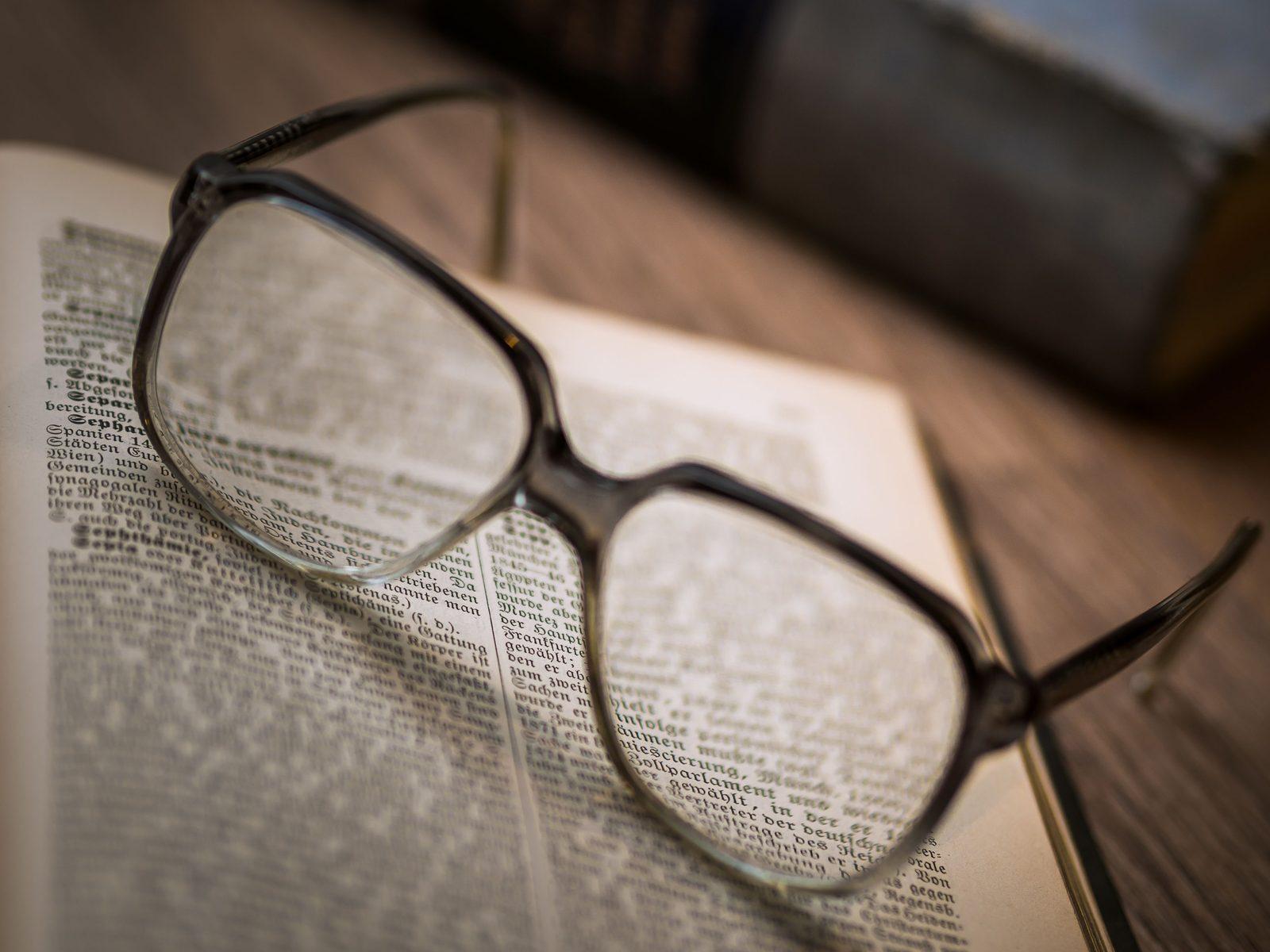
Illustrative photo
What are reading glasses?
They are glasses with single-vision lenses that help you see clearly up close. The American Academy of Ophthalmology explains that they are mainly for presbyopia, the age-related loss of near vision that everyone gets, usually in their 40s. Our article on presbyopia covers the signs.
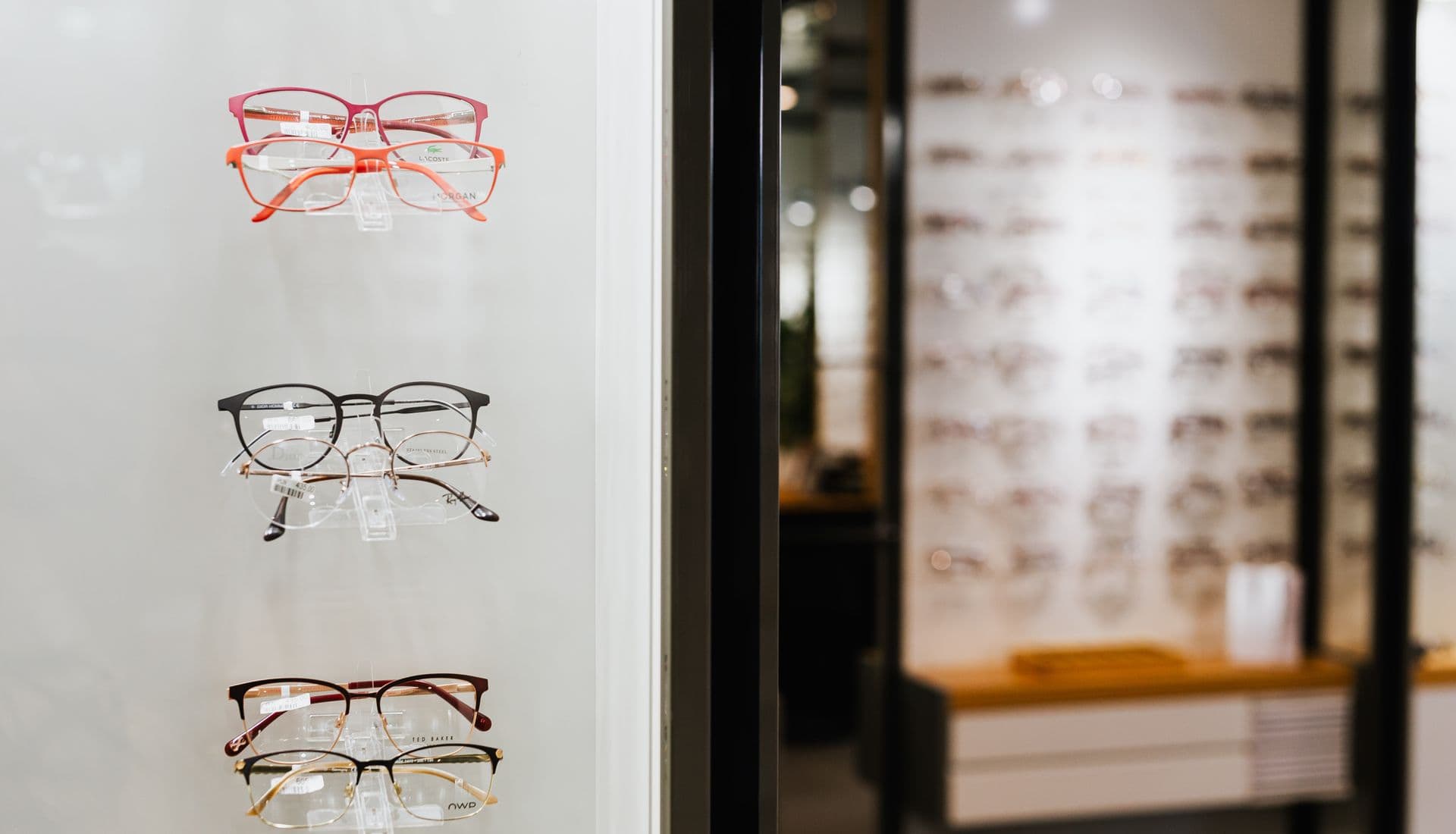
There are two kinds. Ready-made readers are sold in pharmacies and other shops: one size fits all, and they cost less than custom glasses, the Academy notes. Custom reading glasses are made to your own prescription. Either way, they live up to their name: you take them out to read, then spend ten minutes looking for them.
Who can ready-made readers suit?
Mainly someone with presbyopia whose two eyes need the same thing. In its Ask an Ophthalmologist answers, the American Academy of Ophthalmology notes that presbyopia is usually "balanced": the prescription is the same for both eyes. That is what makes identical left and right lenses possible. So your two eyes have to agree, which is not a given.
- You see well in the distance without glasses.
- Only close work bothers you: reading, your phone, sewing, bills.
- Both eyes need the same correction.
- You have no known short-sightedness or astigmatism.
Why don't ready-made readers suit everyone?
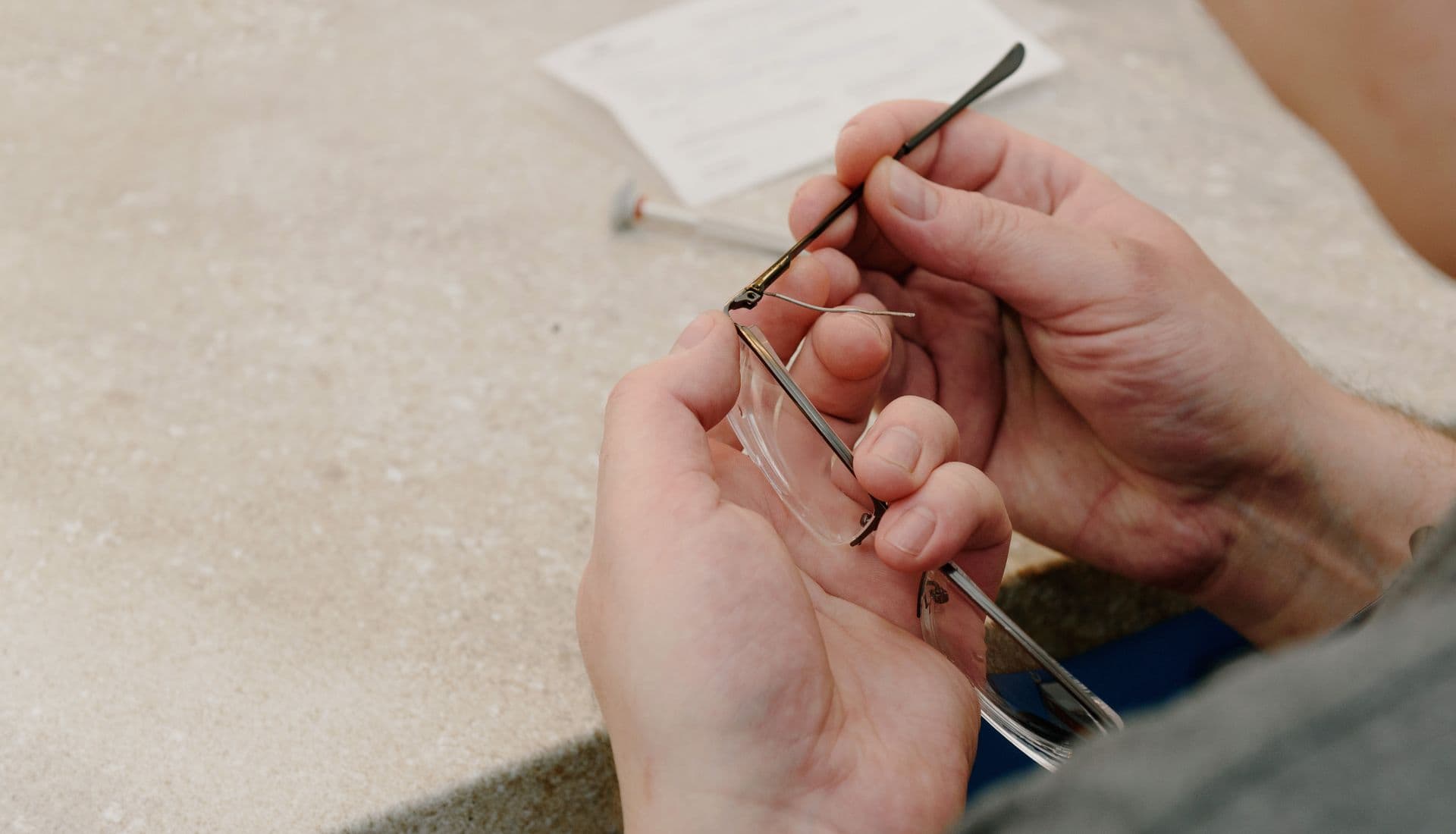
Because they ignore any difference between your eyes and the distance between your pupils. The American Academy of Ophthalmology says that if you have a different prescription in each eye, myopia or astigmatism, ready-made glasses may not meet your needs. Custom lenses are made to your prescription and your pupil distance, and your pupils need to line up with the optical centre of each lens for the best vision.
- One eye needs more correction than the other.
- Myopia or astigmatism, which readers do not correct (our article on astigmatism explains why).
- You need clear vision both near and far: off-the-shelf readers rarely come as multifocal or progressive lenses, the Academy says.
A ready-made reader is a bit like a one-size kaba: it fits plenty of people, not everyone. The cases where it may fall short:
Can ready-made readers damage your eyes?
No. On its page about common eye myths, the American Academy of Ophthalmology says that wearing glasses with the wrong prescription will not damage your eyes. It may strain them, though, and cause achiness, blurred vision or a headache, which should go away when you take the glasses off. Our article on eye strain covers those signs.
The real risk is different: assuming a pair of readers solves everything and putting off a check you need. Weaker near vision is not always presbyopia. If the discomfort carries on, or your distance vision is slipping too, have your eyes checked. Your readers will not take it personally.
How do I find the right strength (+1, +1.5, +2…)?
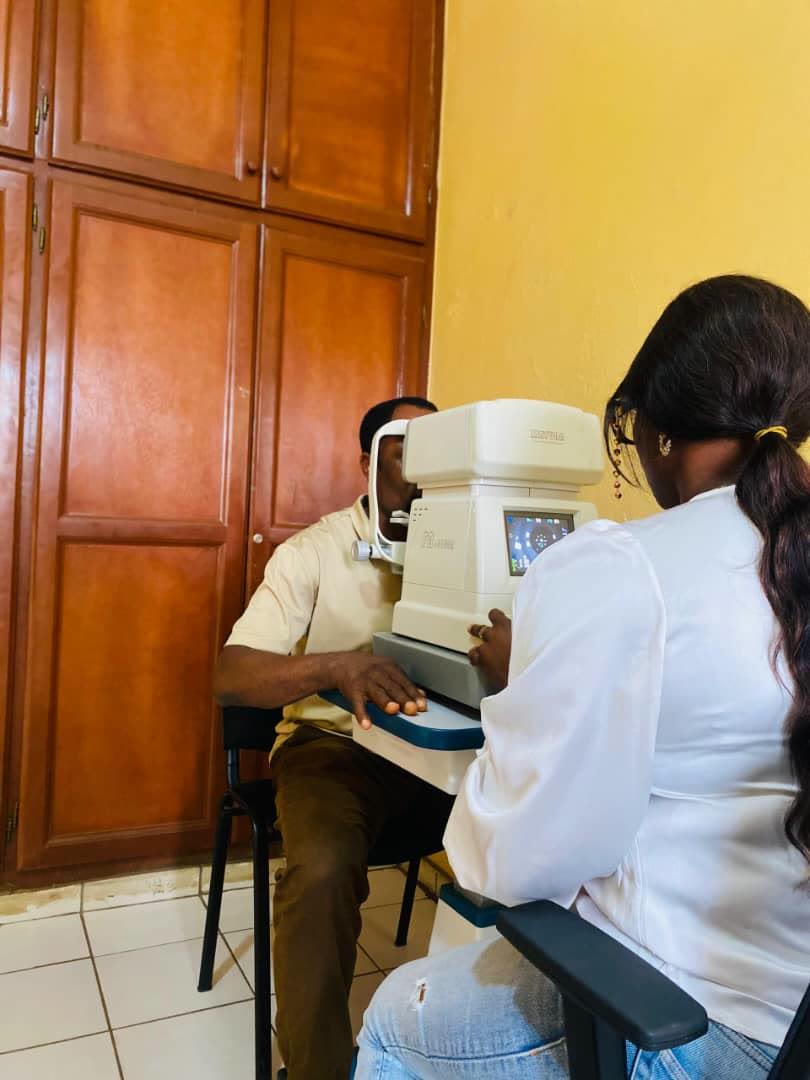
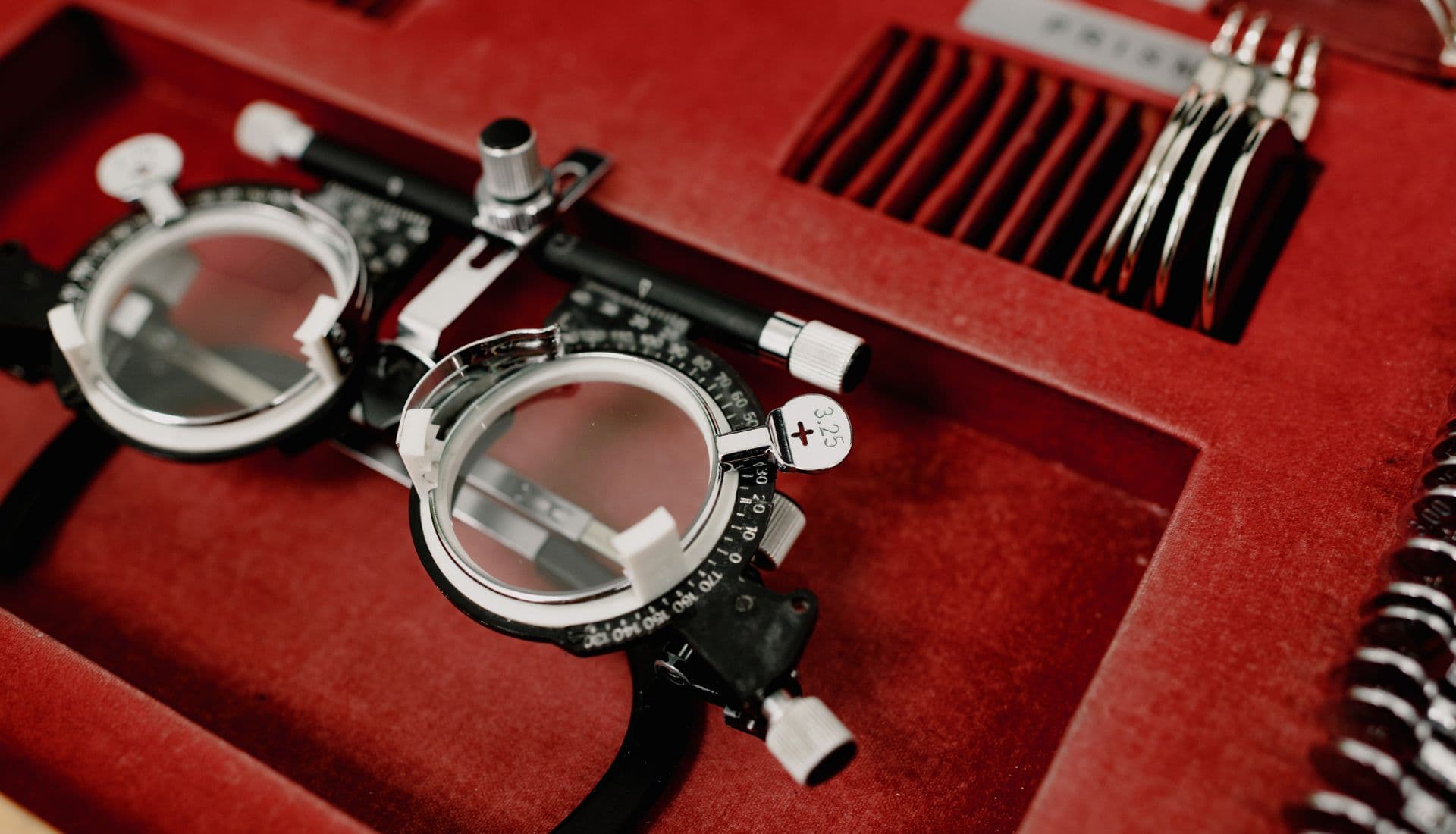
With an eye exam. Reading glasses can be bought without a prescription, but the American Academy of Ophthalmology advises having their strength set by an eye exam. The exam measures each eye separately, up close and at a distance. Our article on what an eye exam involves walks you through it.
Trying a few pairs off the rack gives you a rough idea, but it tells you nothing about a difference between your eyes or about astigmatism. The "can I read the shampoo bottle?" test only goes so far.
This article is general information and does not replace an eye exam. If you have eye pain, a red eye or a sudden loss of vision, see an ophthalmologist without delay.
Reading glasses or progressive lenses?
It depends on what you need to see. The American Academy of Ophthalmology describes several lens designs: single vision, set for one distance, like reading glasses; bifocals, with reading at the bottom and distance at the top; trifocals; and progressives, which move from distance to near with no visible line.
If only reading is a problem, reading glasses may be enough. If you also need distance correction, progressives save you from putting your glasses on and off all day, until they end up living on your forehead. Our articles on wearing progressive lenses and on their average price go further.
Where can I have my near vision measured in Yaoundé?
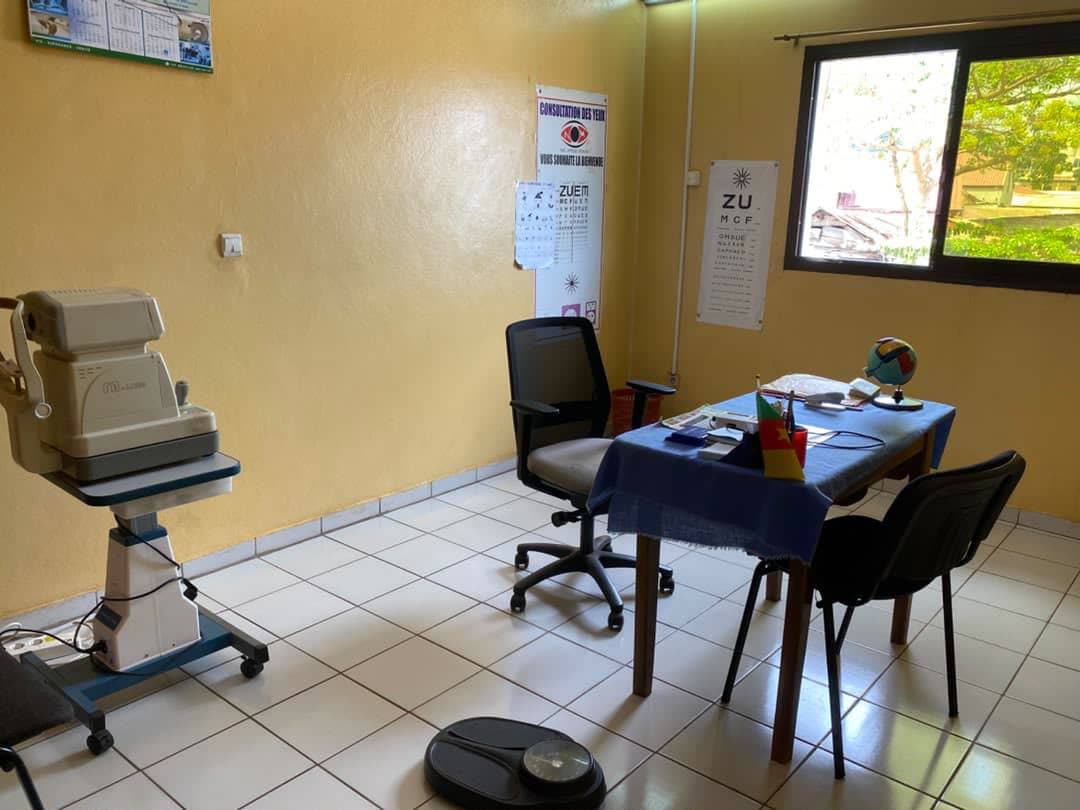
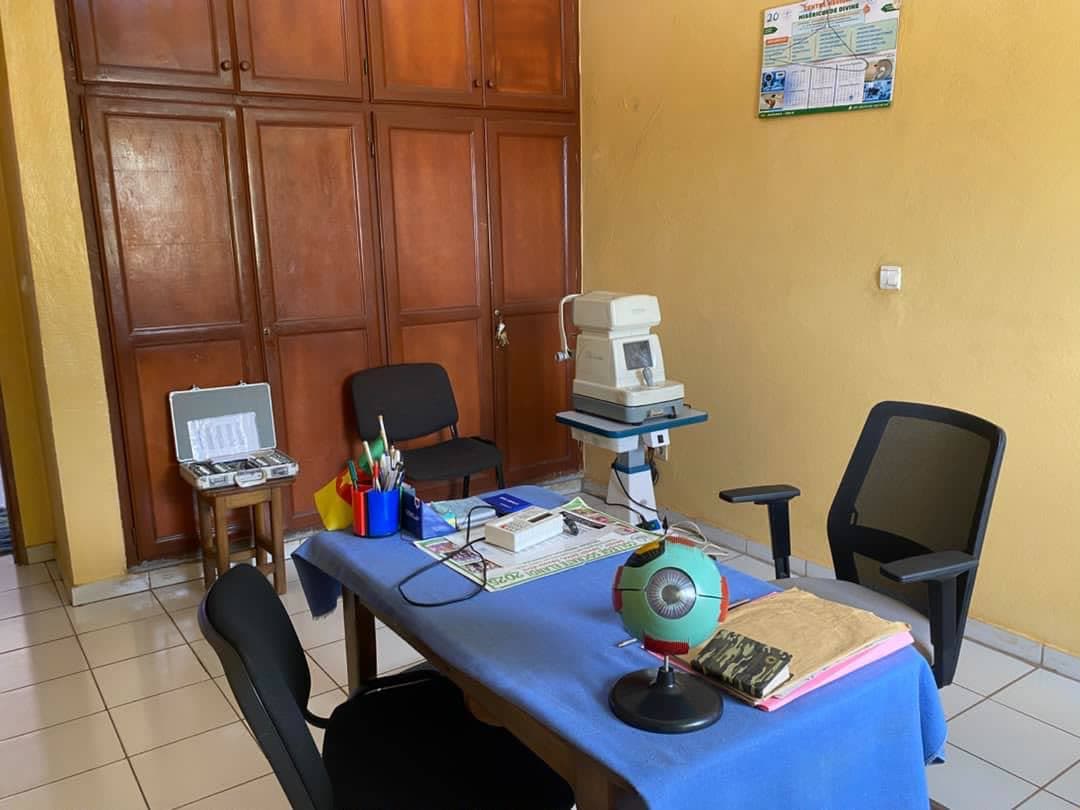
At Niss Optique Médical, Descente Fanta Citron, Mvog-Ada, opposite the Direction des Mines. The eye exam is carried out by a refracting optician registered with the ONOC, Cameroon's national order of opticians. It costs 5,000 XAF, and it is free if you buy your glasses the same day.
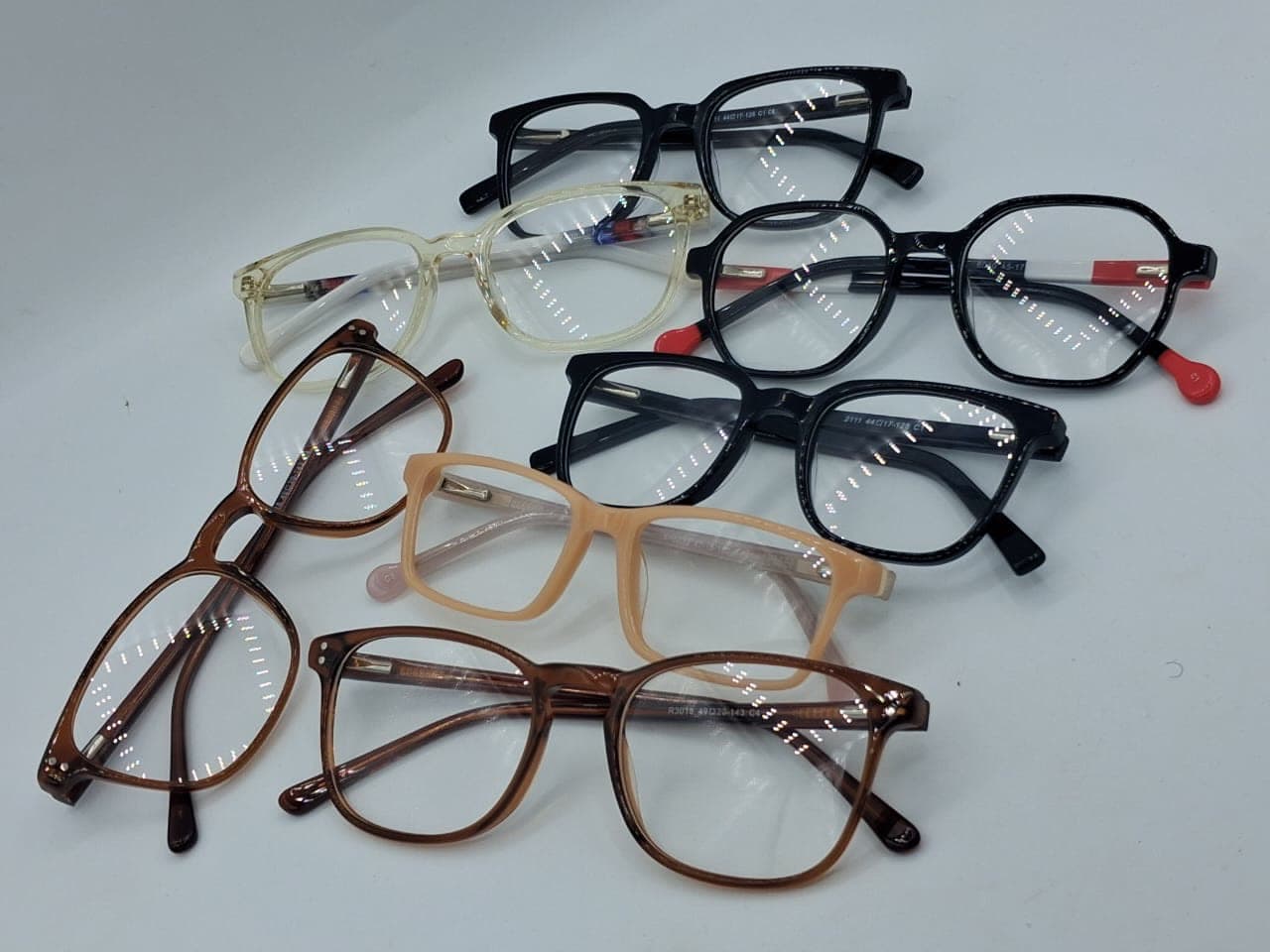
If you need lenses made to your prescription, glasses are ready in 24 hours, progressive lenses included; some special-order lenses take 10 working days. Frames range from 10,000 to 100,000 XAF, and you can pay in instalments, settled before collection. For the price of your lenses, ask for a quote on WhatsApp at 699 27 75 97, or call 651 10 22 00 or 651 88 59 90.
Niss Optique Médical, a licensed optical practice, is open Monday to Friday, 8:30 to 17:30, Saturday and public holidays, 9:00 to 15:30, and Sunday by appointment.
Frequently asked questions
- Are pharmacy reading glasses bad for your eyes?
- According to the American Academy of Ophthalmology, glasses with the wrong prescription do not damage your eyes. They can cause eye strain, blurred vision or a headache, which goes away when you take them off.
- How do I choose the strength of my reading glasses?
- The right strength is measured at an eye exam, one eye at a time. The American Academy of Ophthalmology advises having it set by an exam, even though reading glasses are sold without a prescription.
- Can I wear ready-made readers if I am short-sighted or have astigmatism?
- The American Academy of Ophthalmology says ready-made glasses may not meet your needs if you have myopia, astigmatism or a different prescription in each eye. Lenses made to your prescription are the better option.
- Do I need an eye exam before buying reading glasses?
- It is advisable. The exam measures near and distance vision in each eye and shows whether ready-made readers are enough or whether you need lenses made to your prescription.
Written by the Niss Optique Médical team, under the responsibility of its ONOC-registered refracting optician (N° 155/ONOC/2023).
This article gives general information. It does not replace an eye exam. For pain, a red eye or a sudden loss of vision, see an ophthalmologist.