How to clean glasses without scratching the lenses
Short answer: To clean your glasses, wash your hands, rinse the lenses under lukewarm water to remove dust, gently rub the lenses and frame with a drop of lotion-free dish soap, rinse, then dry with a clean microfibre cloth. Avoid clothing, paper tissues, saliva, and cleaners containing alcohol or ammonia.
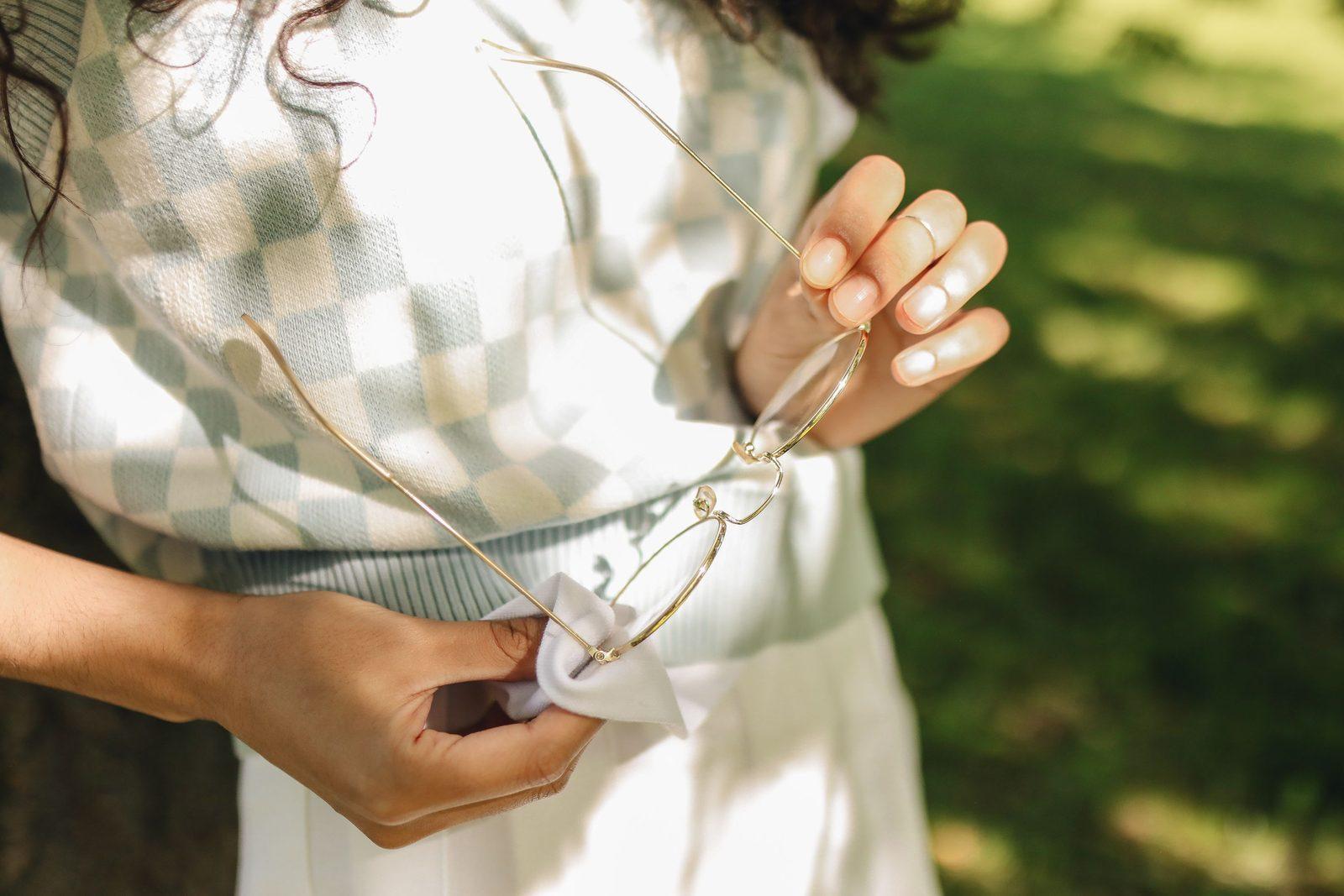
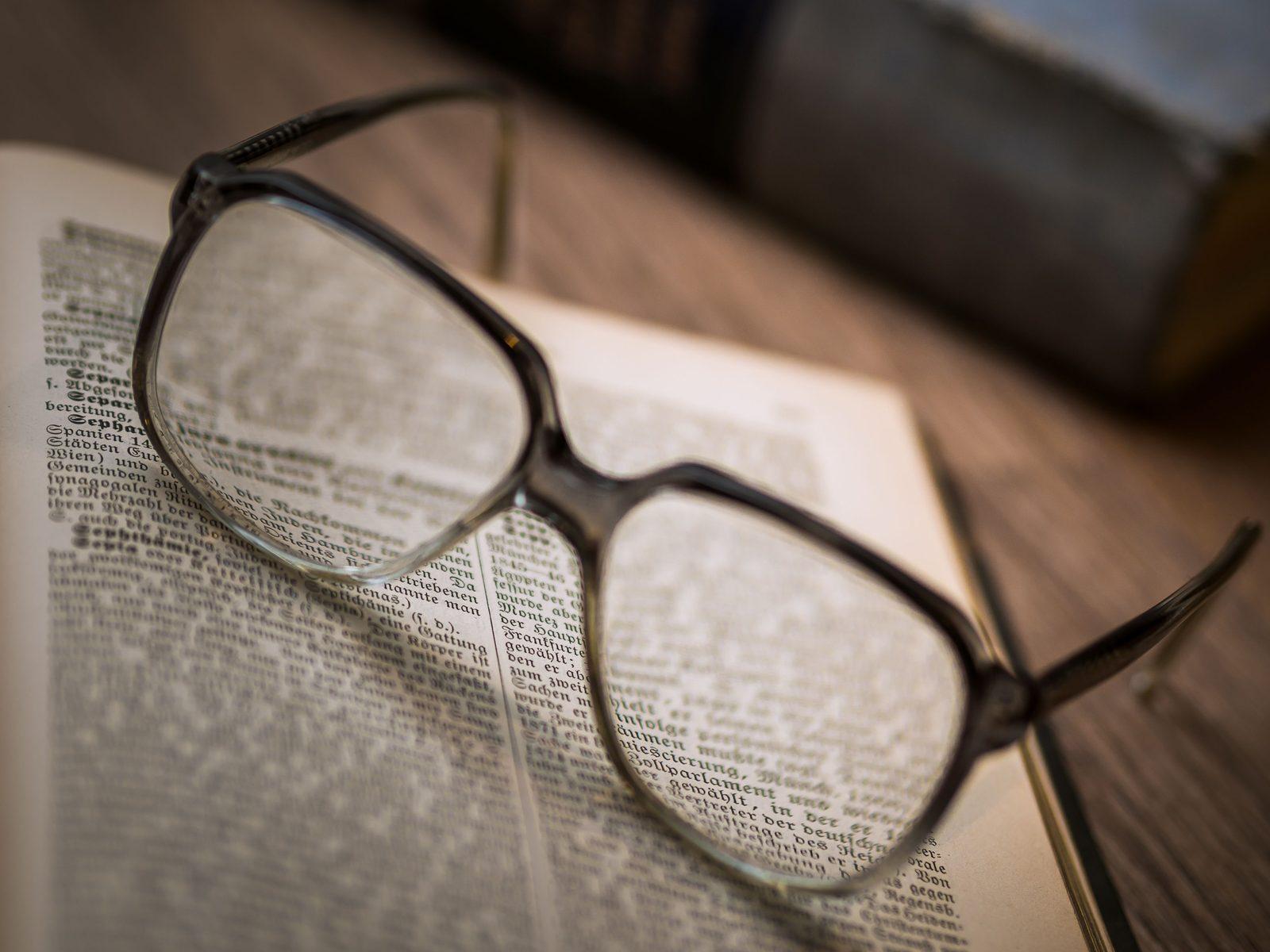
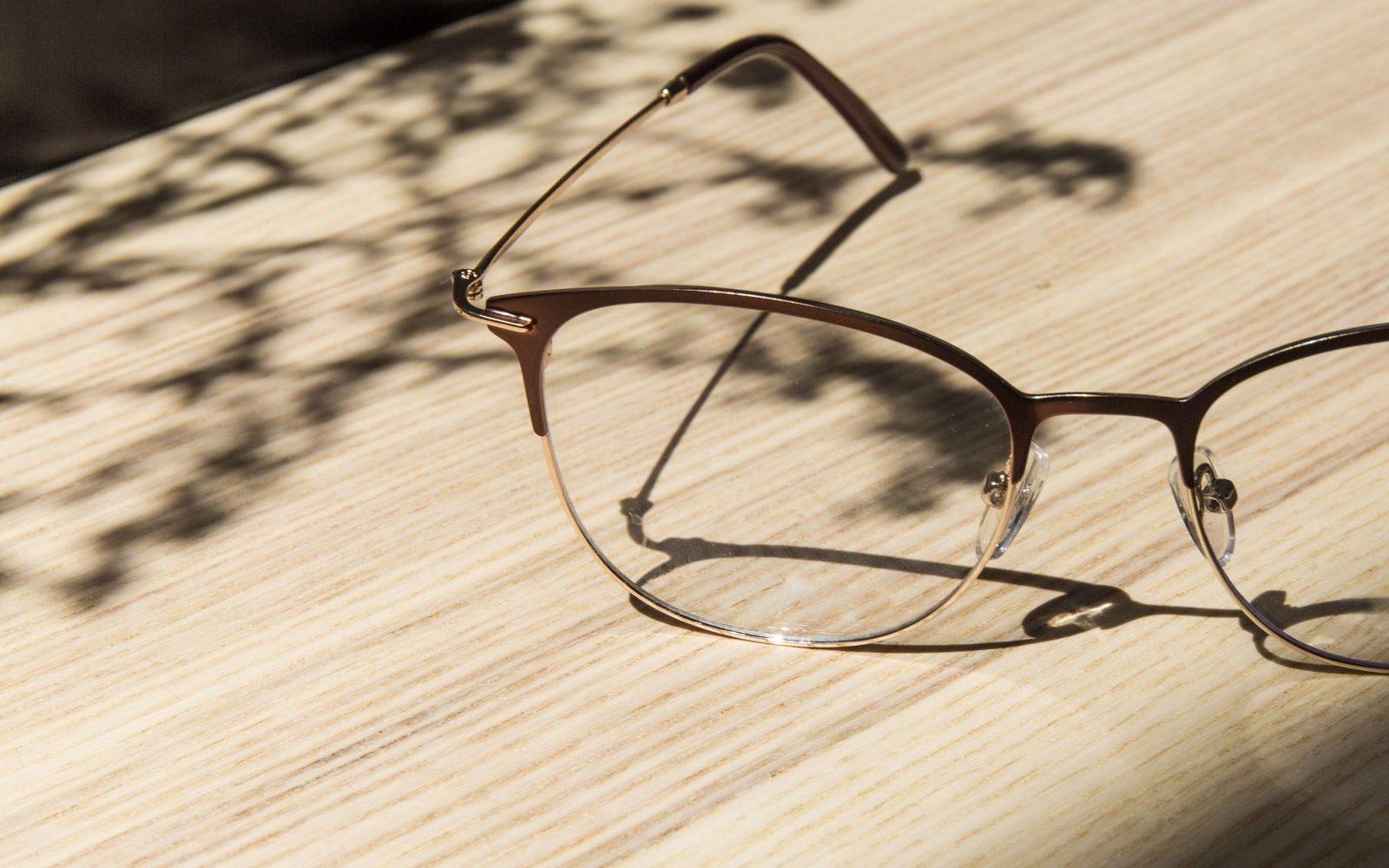
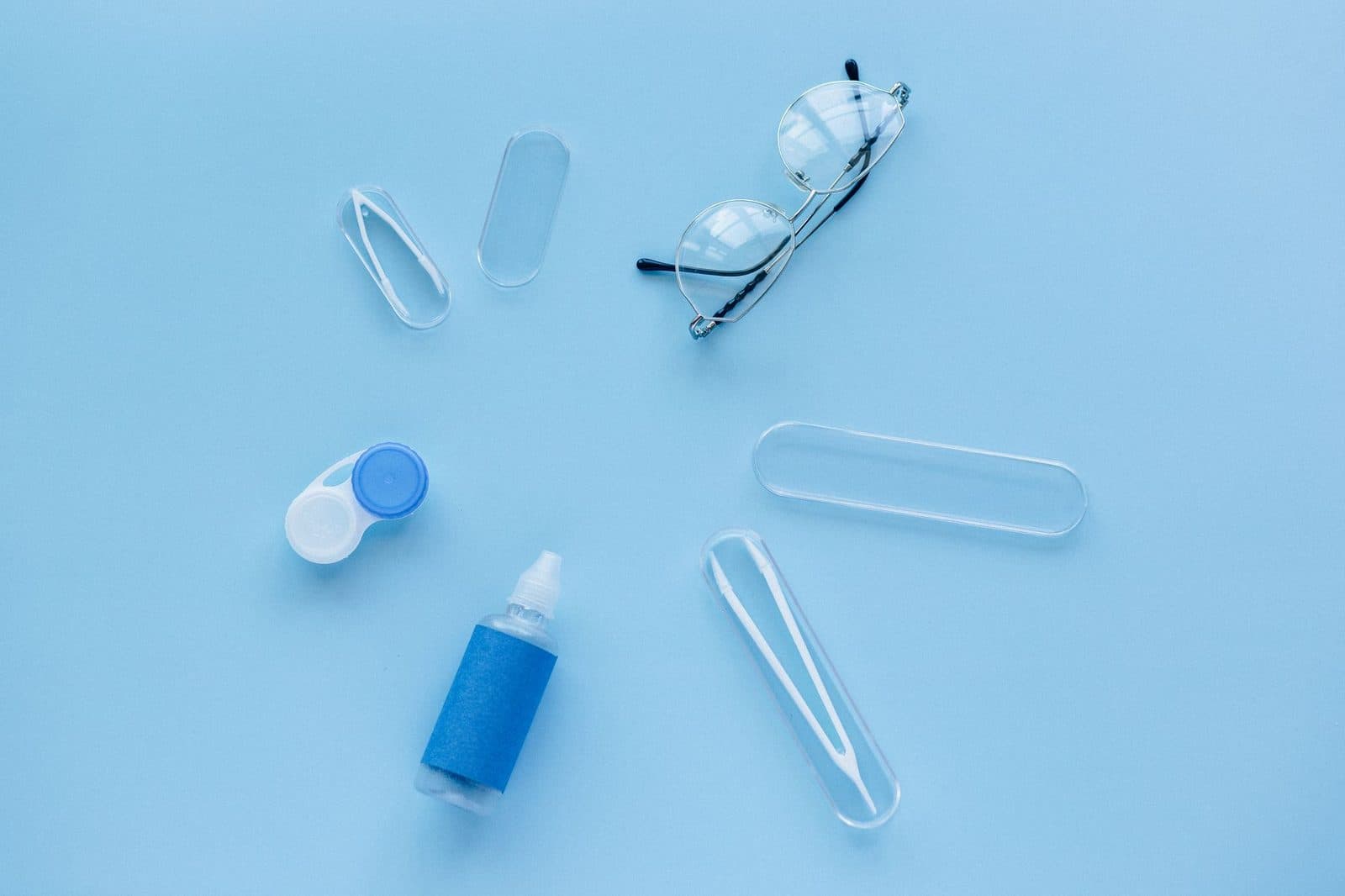
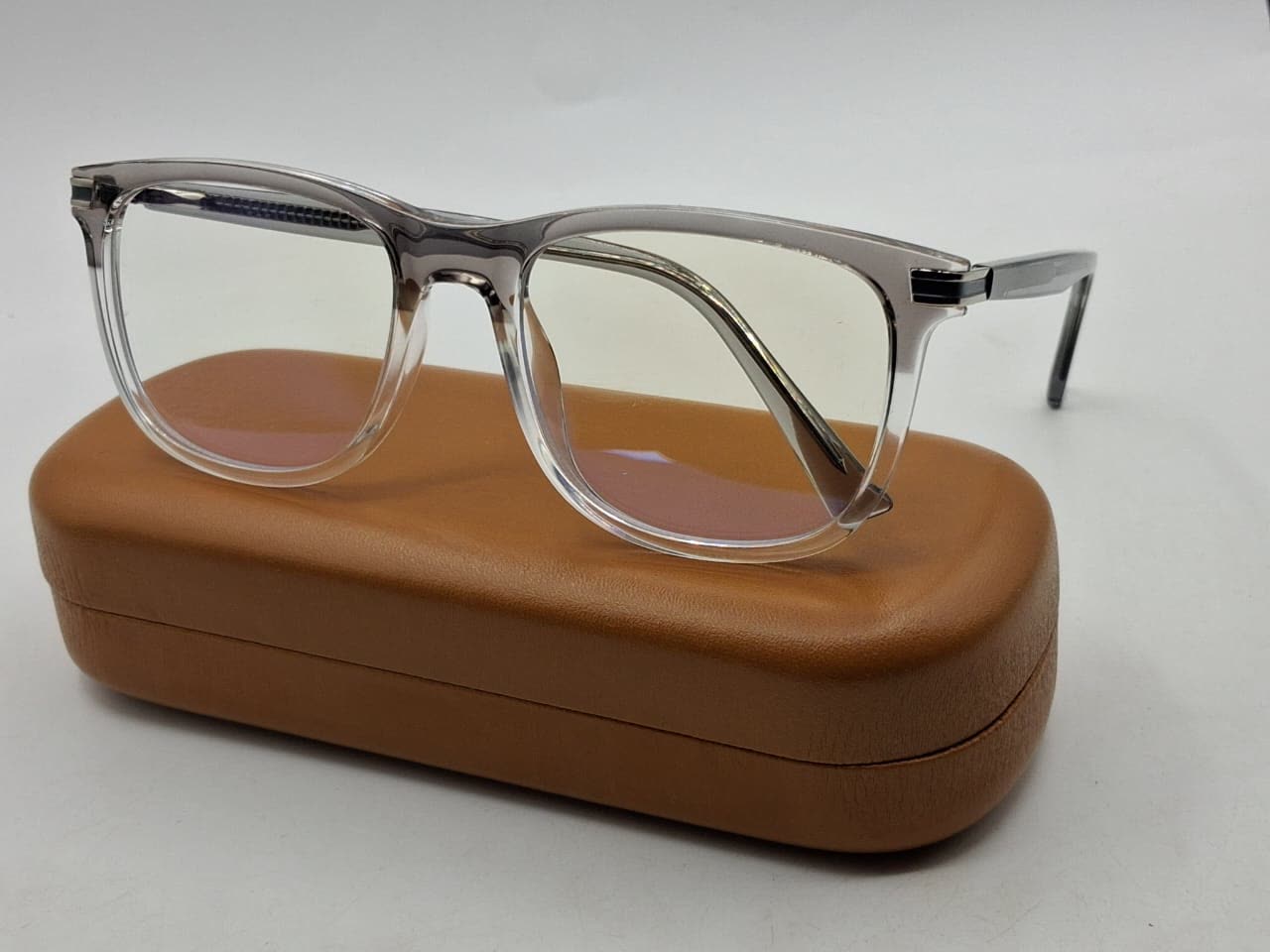
Illustrative photo
What is the right way to clean glasses?
The safest method is also the simplest: lukewarm water, a drop of mild soap and a clean microfibre cloth. It is the method most opticians' guides at the top of the search results describe.
- Wash your hands, so you do not put back the grease you are trying to remove.
- Rinse the glasses under a gentle stream of lukewarm water, never hot: the water carries the dust away before you rub.
- Add a small drop of dish soap with no moisturiser and gently rub both sides of the lenses with your fingertips, then the frame, nose pads and arms.
- Rinse well, so no soap streaks are left behind.
- Shake gently, then dry with a clean microfibre cloth, without pressing hard.
It takes about a minute, which is less time than it takes to find the pocket you left the cloth in.
What scratches glasses lenses?
The most common cause of scratches is rubbing lenses while they are dry: dust and grains of sand on the lens act like sandpaper. That is why you rinse before you wipe.
- The bottom of your T-shirt, your tie or your wrapper: fabric holds dust and can scratch.
- Paper tissues, kitchen roll and toilet paper: they feel soft but can scratch, and they leave fluff.
- Saliva: it does not clean, it just adds germs.
- Window cleaner, alcohol, acetone and ammonia: they can damage lens coatings.
The Nebraska Optometric Association, an optometrists' body affiliated with the American Optometric Association, advises in its article "Take care of your eyeglasses" (June 2024) to avoid cleaners containing alcohol or ammonia, which can damage lens coatings, and not to dry lenses with paper. The same article quotes a survey by The Vision Council, the US optical industry body: just over a third of eyewear users asked said they clean their glasses with their shirt. We are not surprised. The shirt is always right there.
How should you look after a microfibre cloth?
A microfibre cloth only cleans well if it is clean itself. Over time it holds on to the dust and grease it has picked up, and starts spreading them back onto the lenses.
Wash it now and then with soap and water, without fabric softener, which leaves a greasy film, and let it air-dry. Keep it in the case rather than loose at the bottom of your bag with the keys and the puff-puff crumbs.
How should you store glasses so they last?
The best place for glasses you are not wearing is a hard case. The Nebraska Optometric Association also recommends setting them down lenses up when there is no case, keeping them away from heat, and taking them off with both hands.
- Keep them in a hard case, or set them down lenses up.
- Do not leave them in a car in the sun.
- Take them off with both hands, so the arms stay straight.
- After dust or sand, rinse them with clean water before wiping.
In Yaoundé, the heat most likely to harm a frame is not the street at noon but the dashboard of a car parked in the midday sun. A plastic frame can warp there, and lens coatings do not like heat either.
When should you have your glasses checked or adjusted?
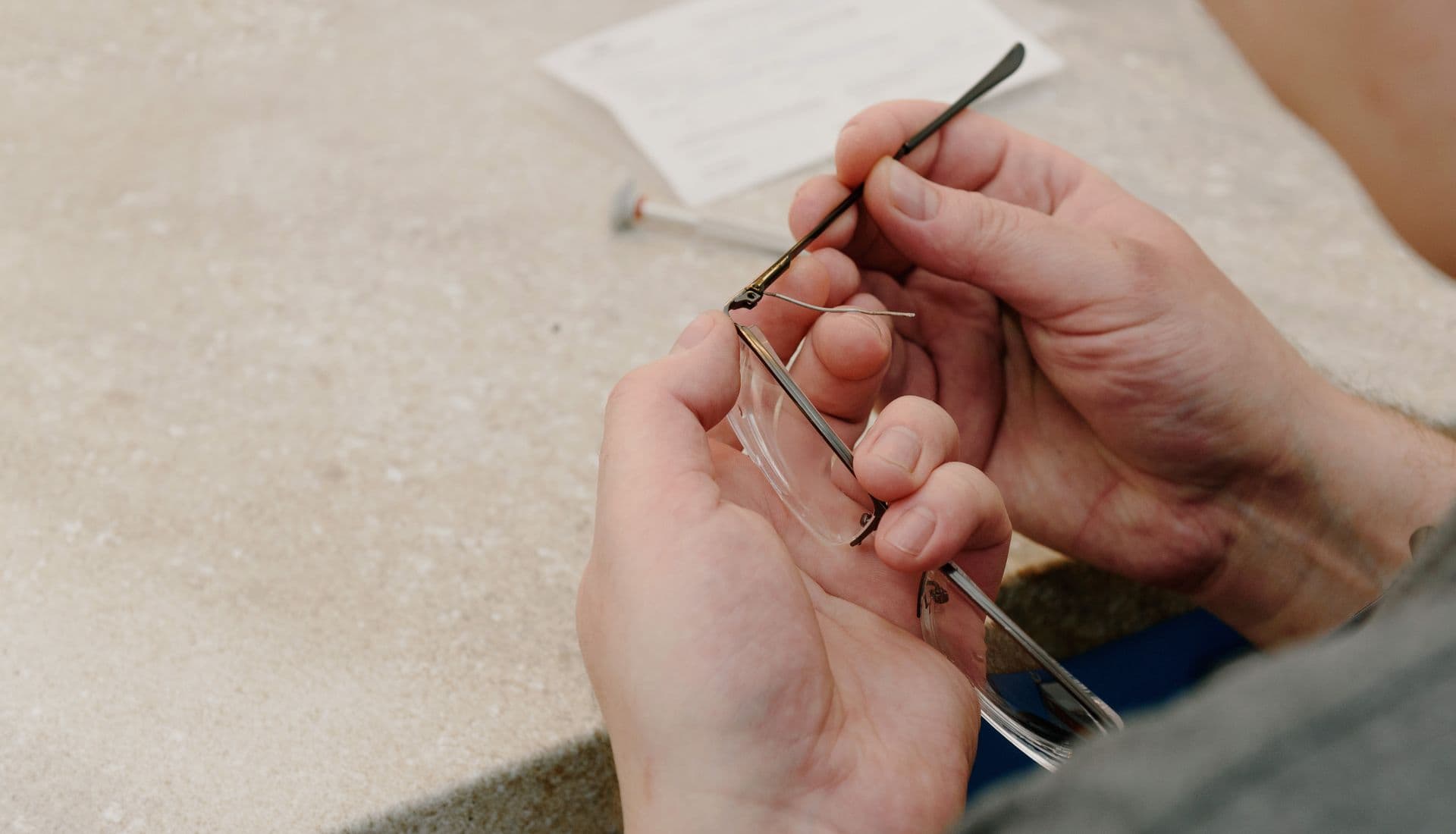
Have your glasses checked when the frame slides down your nose, tilts to one side, pinches behind the ears, or when a screw works loose. These adjustments need the right tools; forcing a frame by hand often ends in a repair.
If your sight stays blurry after a proper clean, the lenses may be scratched or their coating damaged, and a scratched lens cannot be repaired. It is also possible that your eyesight has changed. For a broken arm or a cracked lens, our article on broken glasses explains what can be repaired and what has to be replaced.
This article is general information and does not replace an eye exam. If you have eye pain, a red eye or a sudden loss of vision, see an ophthalmologist without delay.
Where can I have my glasses checked in Yaoundé?
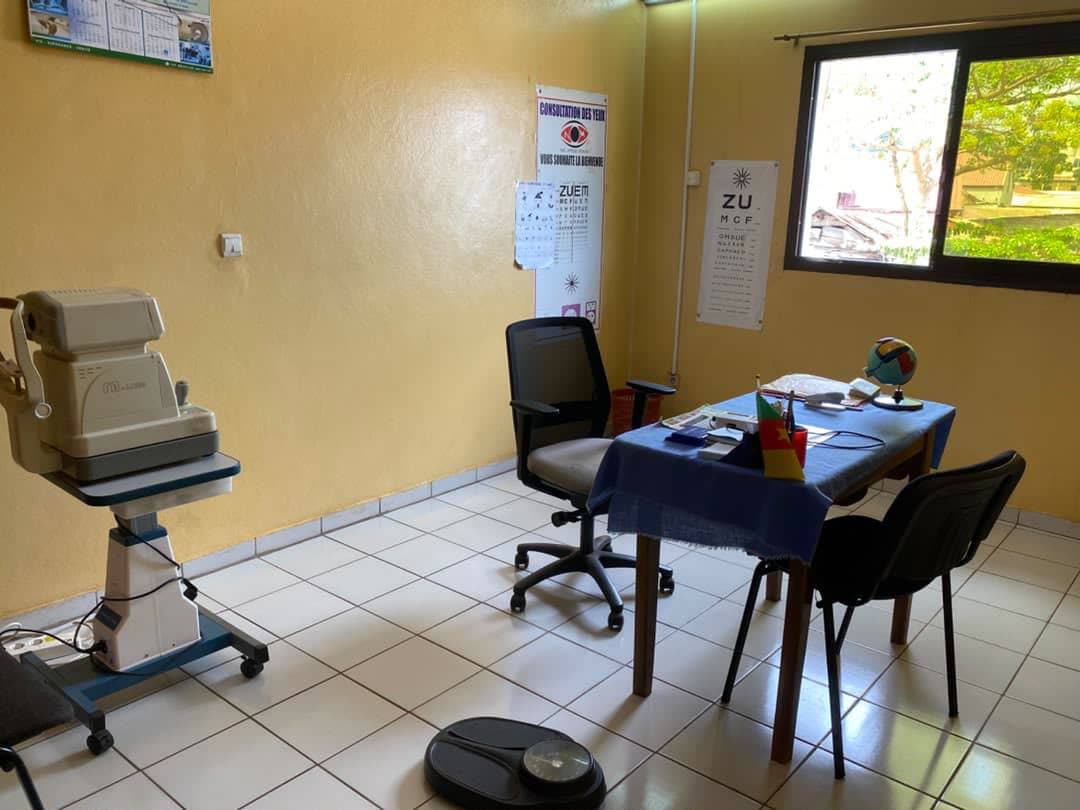
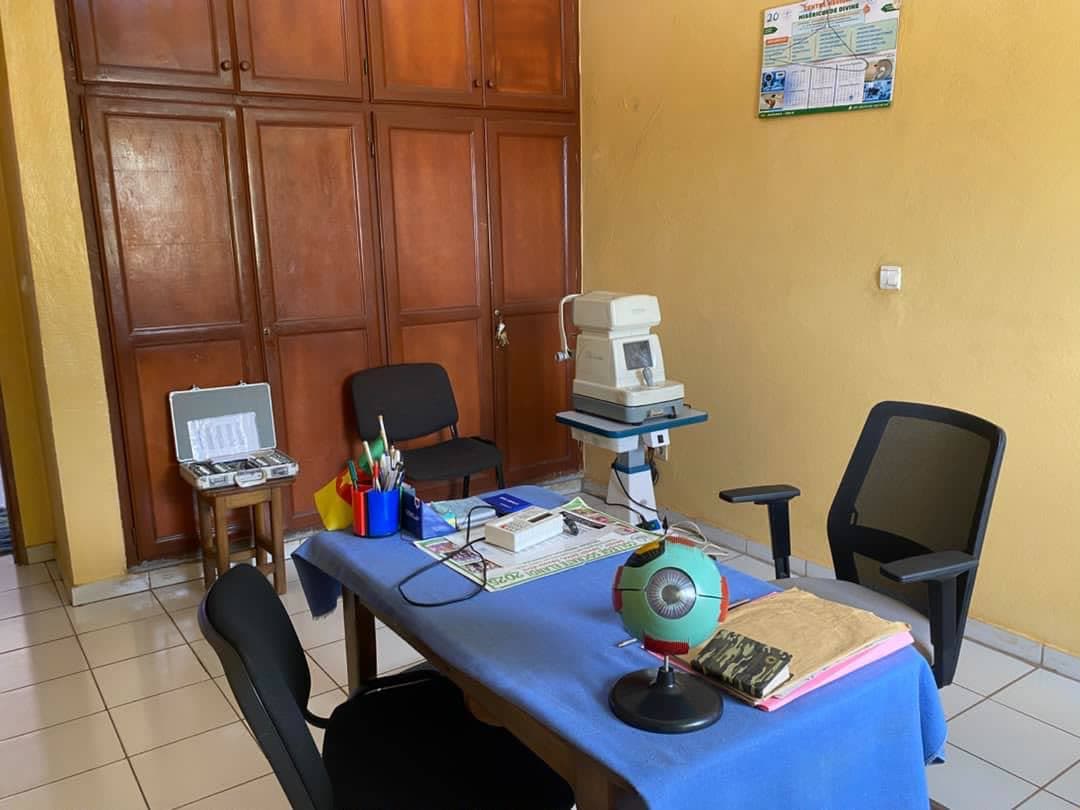
At Niss Optique Médical, Descente Fanta Citron, Mvog-Ada, opposite the Direction des Mines. Send a photo of your glasses on WhatsApp to 699 27 75 97 first, or call 651 10 22 00 or 651 88 59 90, and the practice will tell you what to do.
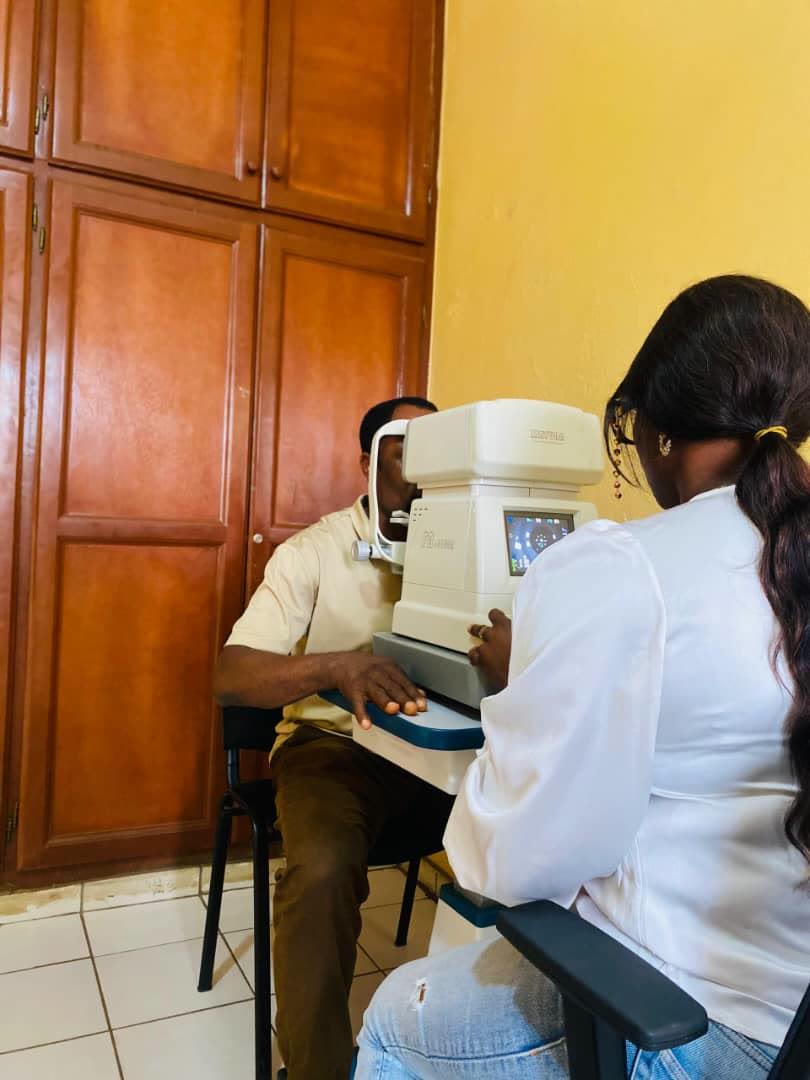
If your lenses need replacing or your eyesight seems to have changed, the eye exam is carried out at the practice by a refracting optician registered with the ONOC, Cameroon's national order of opticians. It costs 5,000 XAF, and it is free if you buy your glasses the same day. Frames range from 10,000 to 100,000 XAF, and glasses are ready in 24 hours, progressive lenses included.
Niss Optique Médical, a licensed optical practice, is open Monday to Friday, 8:30 to 17:30, Saturday and public holidays, 9:00 to 15:30, and Sunday by appointment.
Frequently asked questions
- Can I clean my glasses with dish soap?
- Yes. Use a small drop of dish soap with no moisturiser and lukewarm water, rinse well, then dry with a clean microfibre cloth.
- Can I clean my glasses with alcohol?
- It is not recommended. Cleaners containing alcohol or ammonia can damage lens coatings.
- Why are my glasses still blurry after cleaning?
- The lenses may be scratched or their coating damaged, or your eyesight may have changed. Have the lenses and, if needed, your eyes checked.
- Should I wash my microfibre cloth?
- Yes. Wash it regularly with soap and water, without fabric softener, and let it air-dry.
Written by the Niss Optique Médical team, under the responsibility of its ONOC-registered refracting optician (N° 155/ONOC/2023).
This article gives general information. It does not replace an eye exam. For pain, a red eye or a sudden loss of vision, see an ophthalmologist.