Blue light glasses: do they actually work?
Short answer: The evidence so far does not show a clear benefit. A 2023 Cochrane review of 17 trials with 619 adults found that blue light filtering lenses may not reduce short-term eye strain from computer work, and their effect on sleep is uncertain. The American Academy of Ophthalmology does not recommend them. Regular breaks and the right prescription help more.
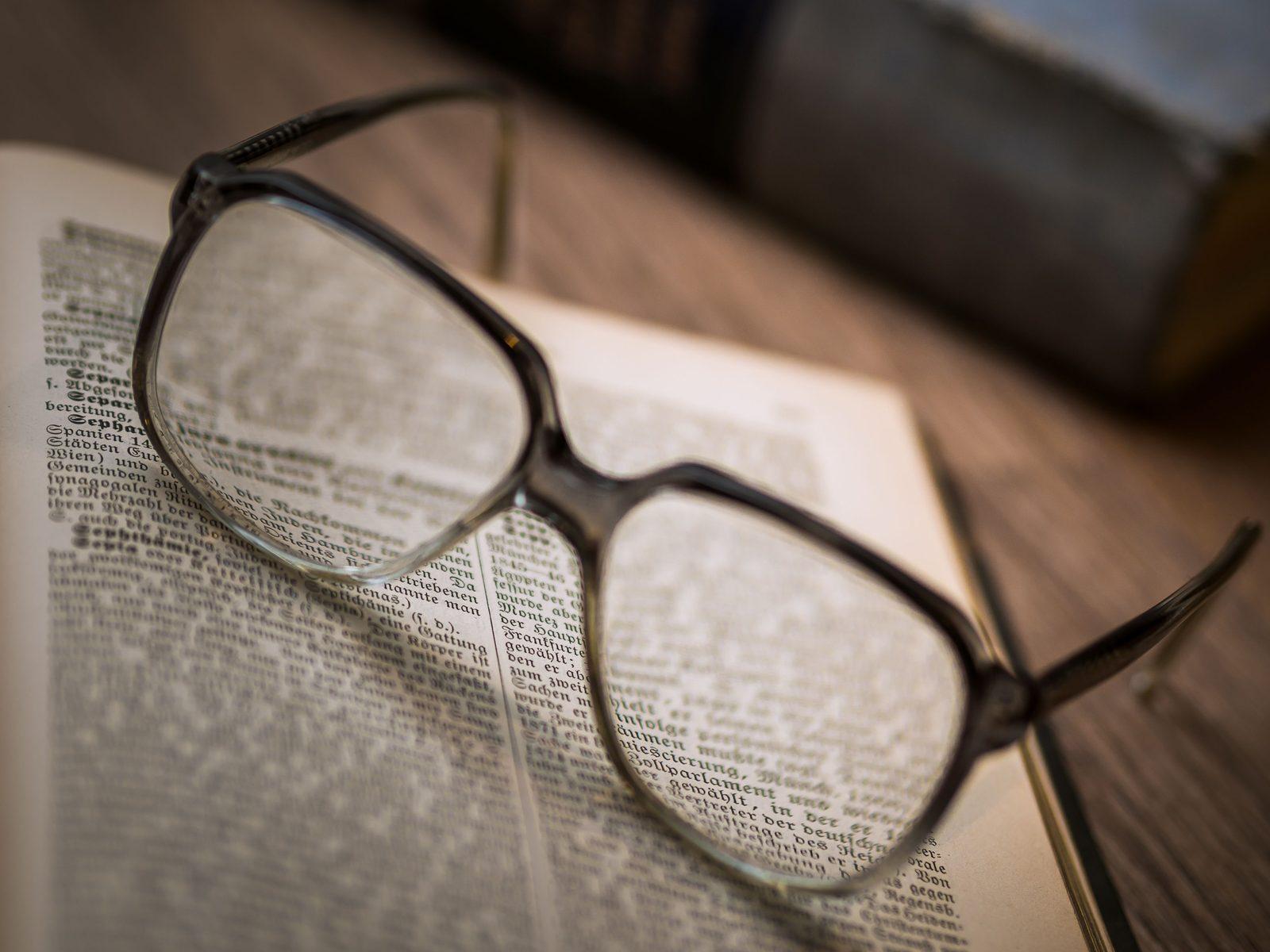
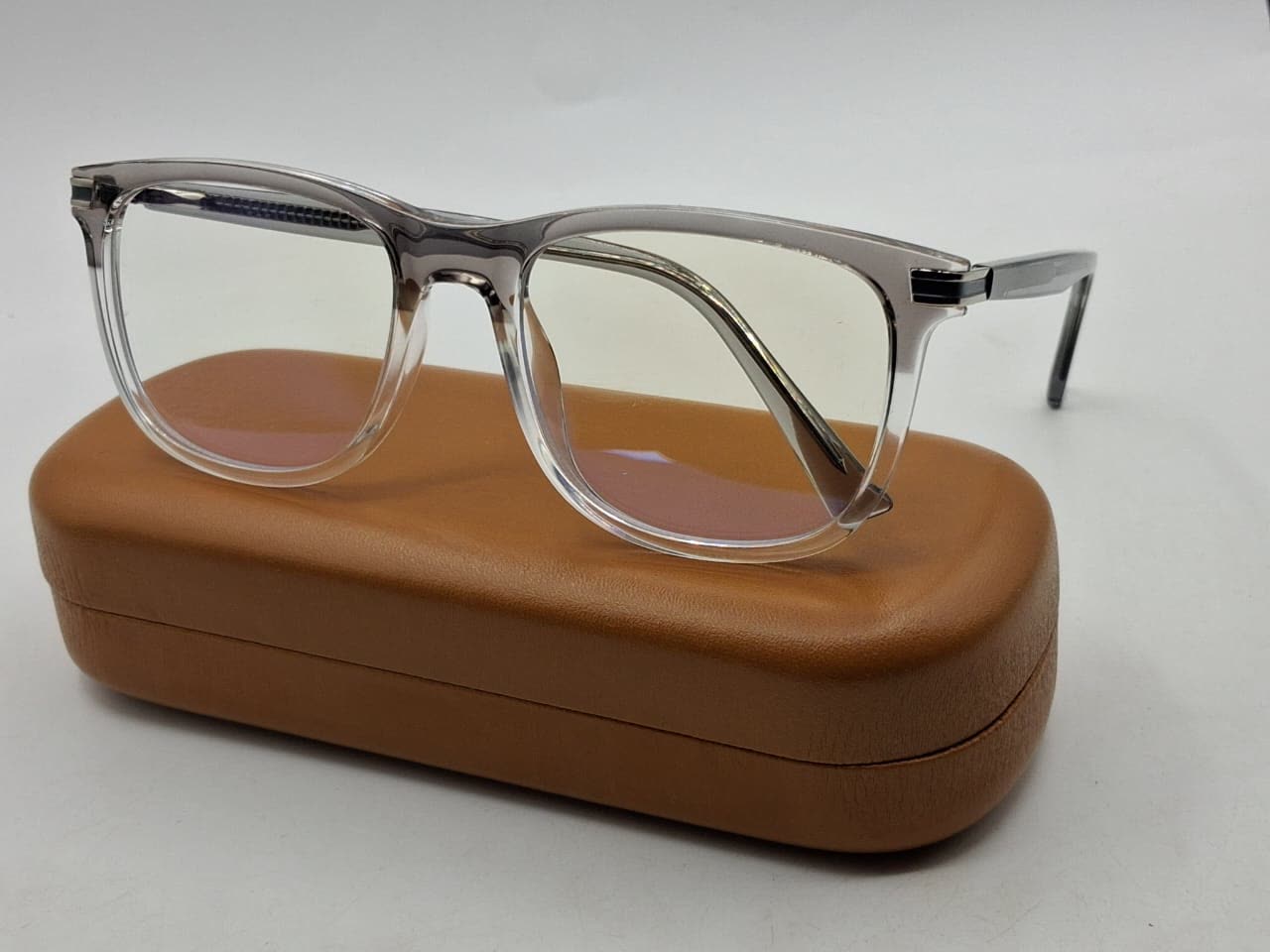
Illustrative photo
What is blue light, and why is everyone talking about it?
Blue light is the part of visible light with the shortest wavelengths. Computer, phone and tablet screens give some off, and that is where glasses that promise to filter it came from.
They are sold on three promises: less eye strain at the screen, better sleep, and protection for the retina. Those are three separate questions, and the science answers each one differently. You are probably reading this on a screen, so it seems only fair to check the charges against it.
Do blue light glasses work?
On the evidence available today, not in any proven way. The most thorough review of the subject was published in 2023 by Cochrane, an international network that gathers and grades medical research. It looked at 17 trials involving 619 adults in six countries.
- Eye strain: blue light filtering lenses may not reduce it in the short term during computer work, compared with ordinary lenses.
- Sharpness of vision: probably little or no difference.
- Sleep: results contradict each other from one study to the next, so the effect is unknown.
- Retina protection: no trial measured it, so no conclusion can be drawn.
Here is what it found, in plain words. It makes a less exciting sticker than the one on the lens.
Why is the answer still cautious?
Because the trials are few, often small and short. Cochrane rates the evidence as low or very low certainty on most points, and follow-up ran from under a day to five weeks.
That does not prove the lenses are useless in every case. It means no solid study has shown that they help. The difference is small but it matters: a seller who promises protection is going further than the science does.
The American Academy of Ophthalmology, the professional body for eye doctors in the United States, takes a clear line: it does not recommend blue light blocking glasses, because there is no evidence that light from screens damages the eyes.
So where does screen eye strain come from?
Mostly from how we use screens, not from the light they give off. That is the Academy's explanation.
At a screen we blink far less: about 5 to 7 times a minute, against around 15 normally. The surface of the eye dries out, vision blurs by late afternoon, and the eyes feel tight. The Academy notes that these symptoms are temporary, and that the same discomfort follows long reading or close work. So the culprit is not the screen as such, but the four hours in a row spent staring at it without looking up.
What really helps your eyes at a screen?
Regular breaks and a sensible set-up, according to the American Academy of Ophthalmology. None of it costs a single franc.
- The 20-20-20 rule: every 20 minutes, look at something at least 6 metres away for 20 seconds.
- Remember to blink, especially in long sessions.
- Keep the screen at arm's length, slightly below eye level.
- Match the screen's brightness to the room, and raise the contrast if needed.
- If you wear contact lenses, give your eyes a break with your glasses.
What if the real issue is your prescription?
It often is. Sight that is not properly corrected, or a prescription made for seeing far when you spend the day 60 centimetres from a screen, tires the eyes far more than any colour of light.
The Academy itself says that prescription glasses set for screen distance can ease strain for people who work long hours at a computer, and stresses that these are not the same thing as blue light glasses. A blue light coating remains an option you can take or leave: the practice will tell you plainly what it does and what it does not do.
For sleep, the Academy notes that blue light can affect the body's internal clock, and suggests avoiding screens for two to three hours before bed, or switching on night mode in the evening. Your phone will cope perfectly well with one evening without you.
This article is general information and does not replace an eye exam. If your eyes stay tired or your vision often blurs, get your sight checked. If you have pain, a red eye or a sudden loss of vision, see an ophthalmologist without delay.
Where can I get my sight checked in Yaoundé?
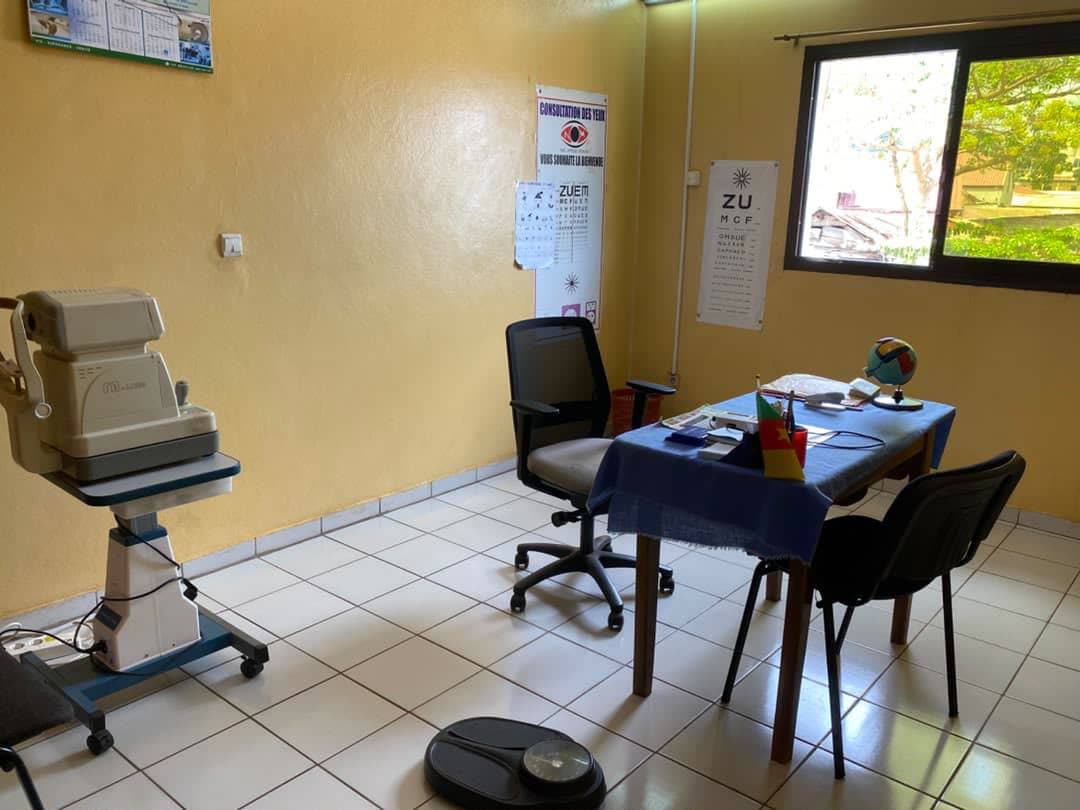
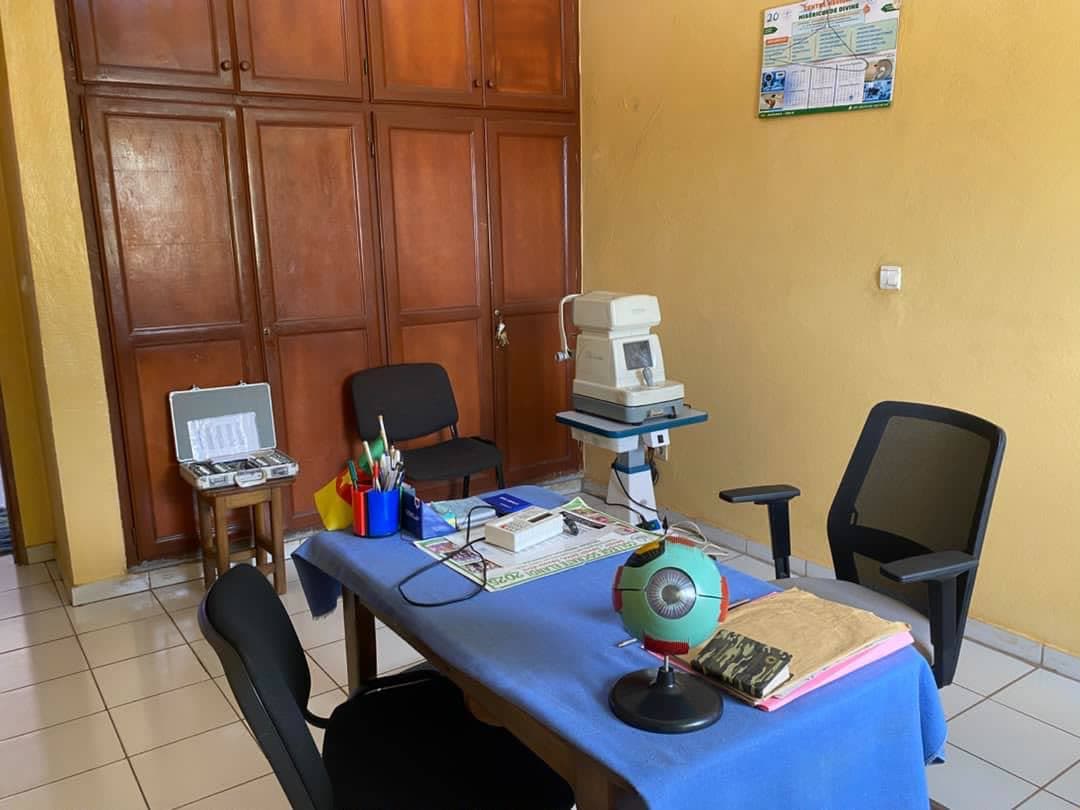
Niss Optique Médical, a licensed optical practice, is at Descente Fanta Citron, Mvog-Ada, opposite the Direction des Mines. It is open Monday to Friday, 8:30 to 17:30, Saturday and public holidays, 9:00 to 15:30, and Sunday by appointment.
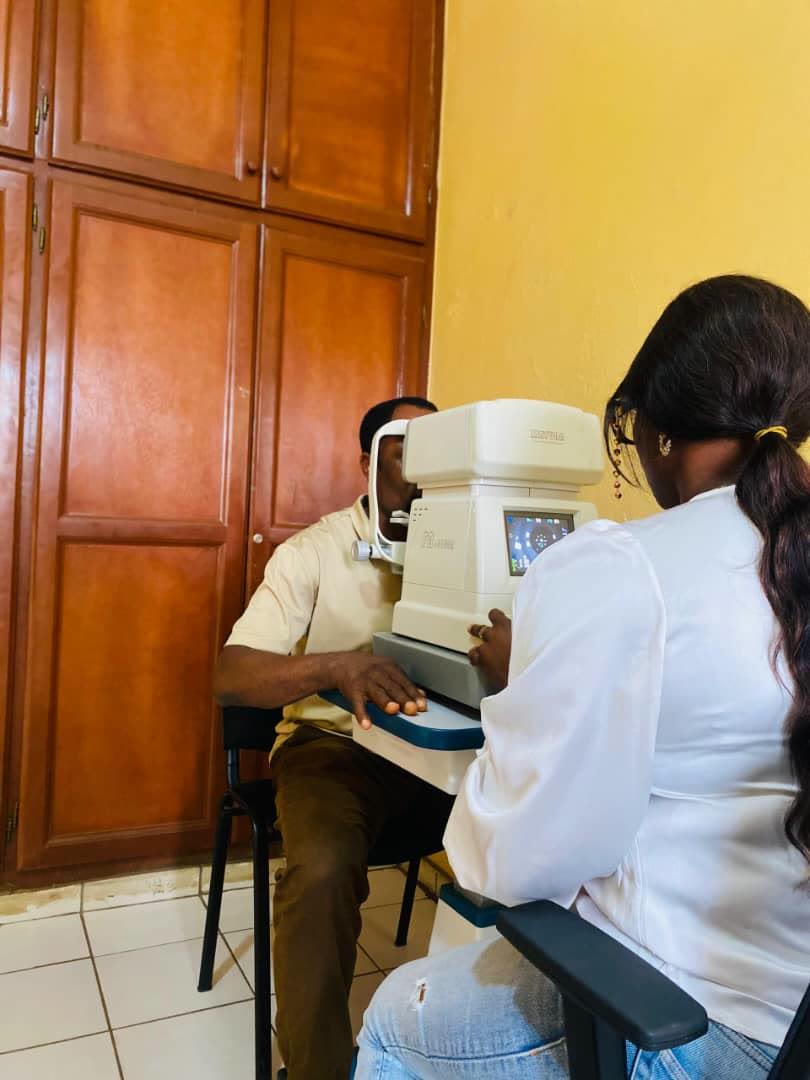
The eye exam is carried out by a refracting optician registered with the ONOC, Cameroon's national order of opticians. It costs 5,000 XAF, and it is free if you buy your glasses the same day. Glasses are ready in 24 hours; special-order lenses take 10 working days. For the price of lenses and coatings, ask for a quote.
Message 699 27 75 97 on WhatsApp, or call 651 10 22 00 or 651 88 59 90. And take a 20-second break before you type: your eyes have earned it.
Frequently asked questions
- Do blue light glasses protect your eyes?
- No solid study has shown that they do. The 2023 Cochrane review found no trial that measured retina health, and the American Academy of Ophthalmology says light from screens has never been shown to cause eye disease.
- Do blue light glasses help you sleep better?
- It is not known. The trials reviewed by Cochrane give conflicting results. The American Academy of Ophthalmology advises avoiding screens for two to three hours before bed instead.
- Can I wear blue light glasses without a prescription?
- Yes, non-prescription versions exist. But the available studies do not show that they reduce eye strain at a screen.
- How can I reduce eye strain at a screen?
- Follow the 20-20-20 rule: every 20 minutes, look at something at least 6 metres away for 20 seconds. Blink often, keep the screen at arm's length and have your sight checked.
Written by the Niss Optique Médical team, under the responsibility of its ONOC-registered refracting optician (N° 155/ONOC/2023).
This article gives general information. It does not replace an eye exam. For pain, a red eye or a sudden loss of vision, see an ophthalmologist.