Special-order lenses: why 24 hours or 10 days?
Short answer: At Niss Optique Médical in Yaoundé, glasses are ready in 24 hours, progressive lenses included. Special-order and specialty lenses take 10 working days, because they are made specifically for a given prescription or set of options. Which delay applies to you depends on your prescription and your choices: the practice tells you when it gives you a quote.
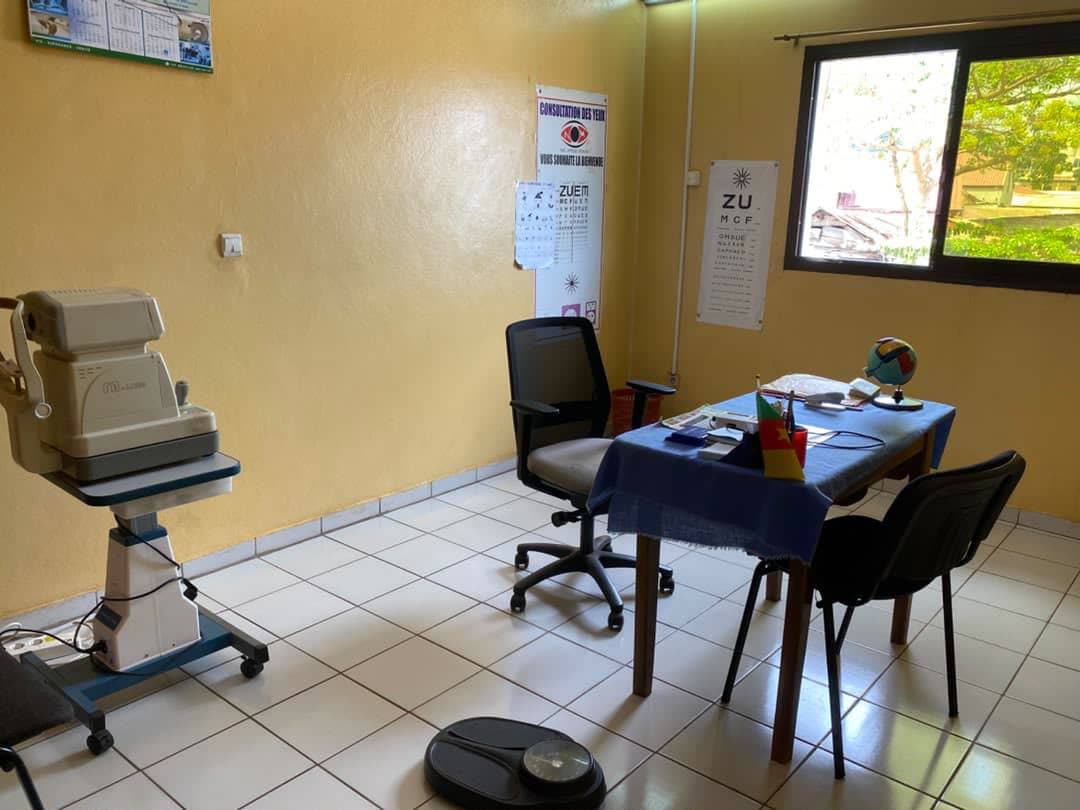
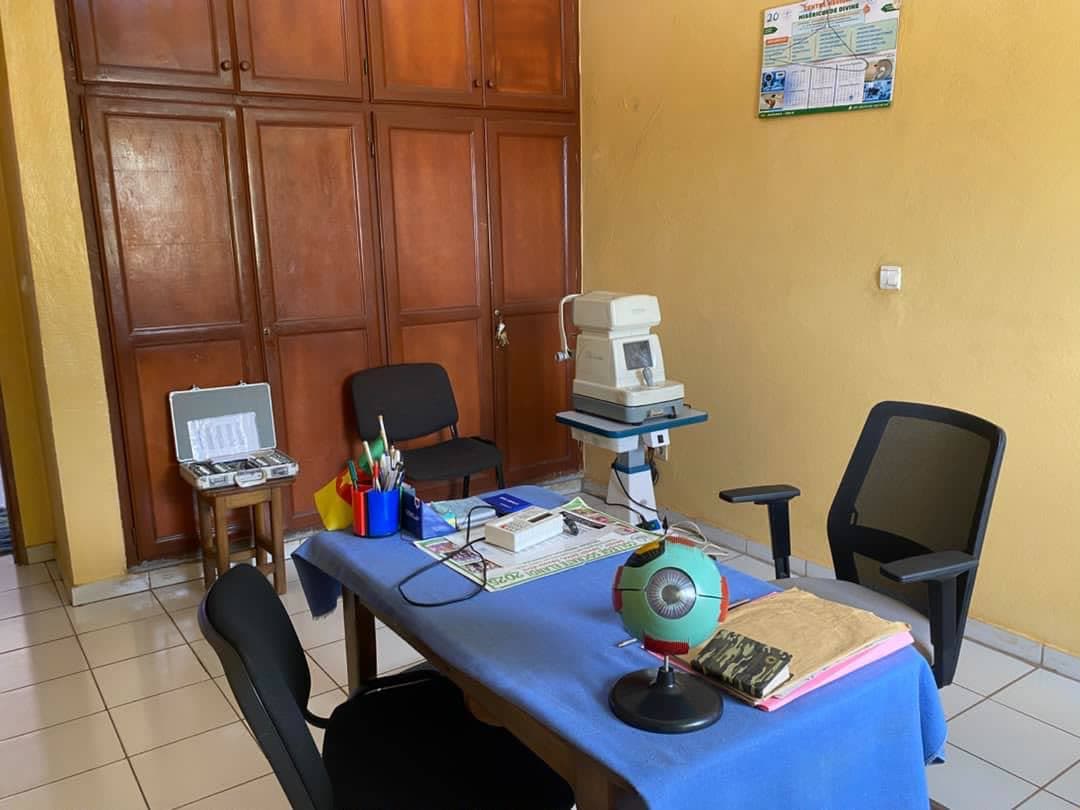
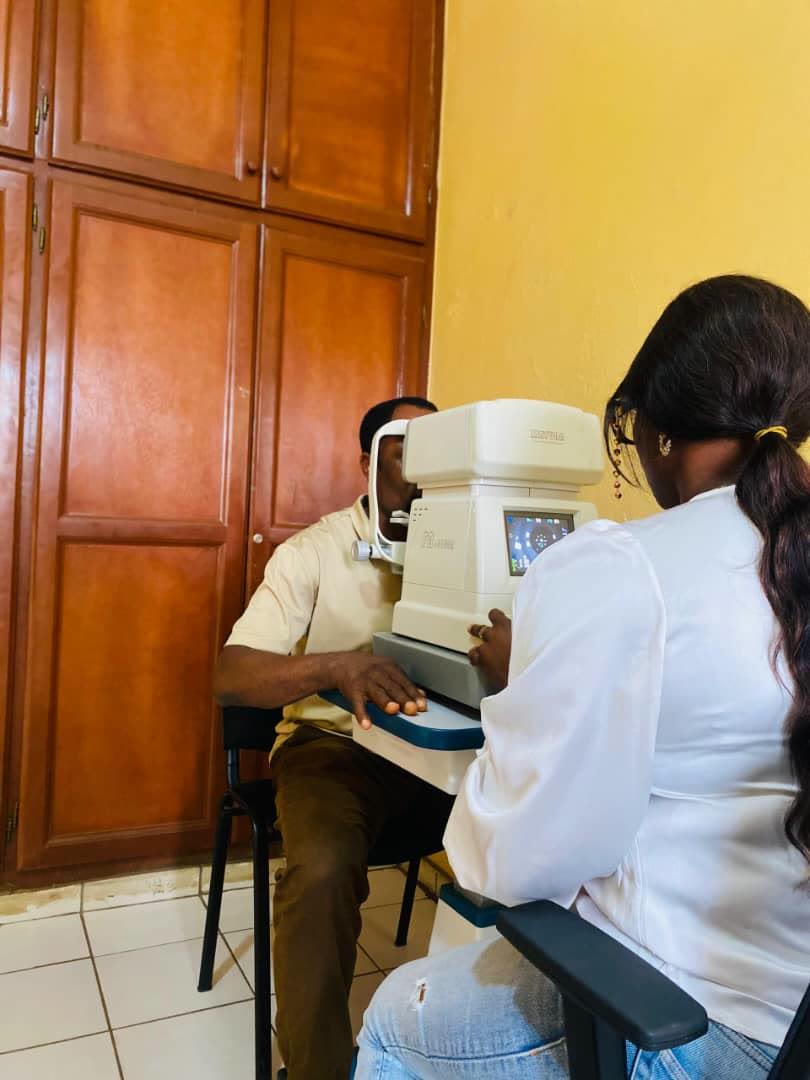
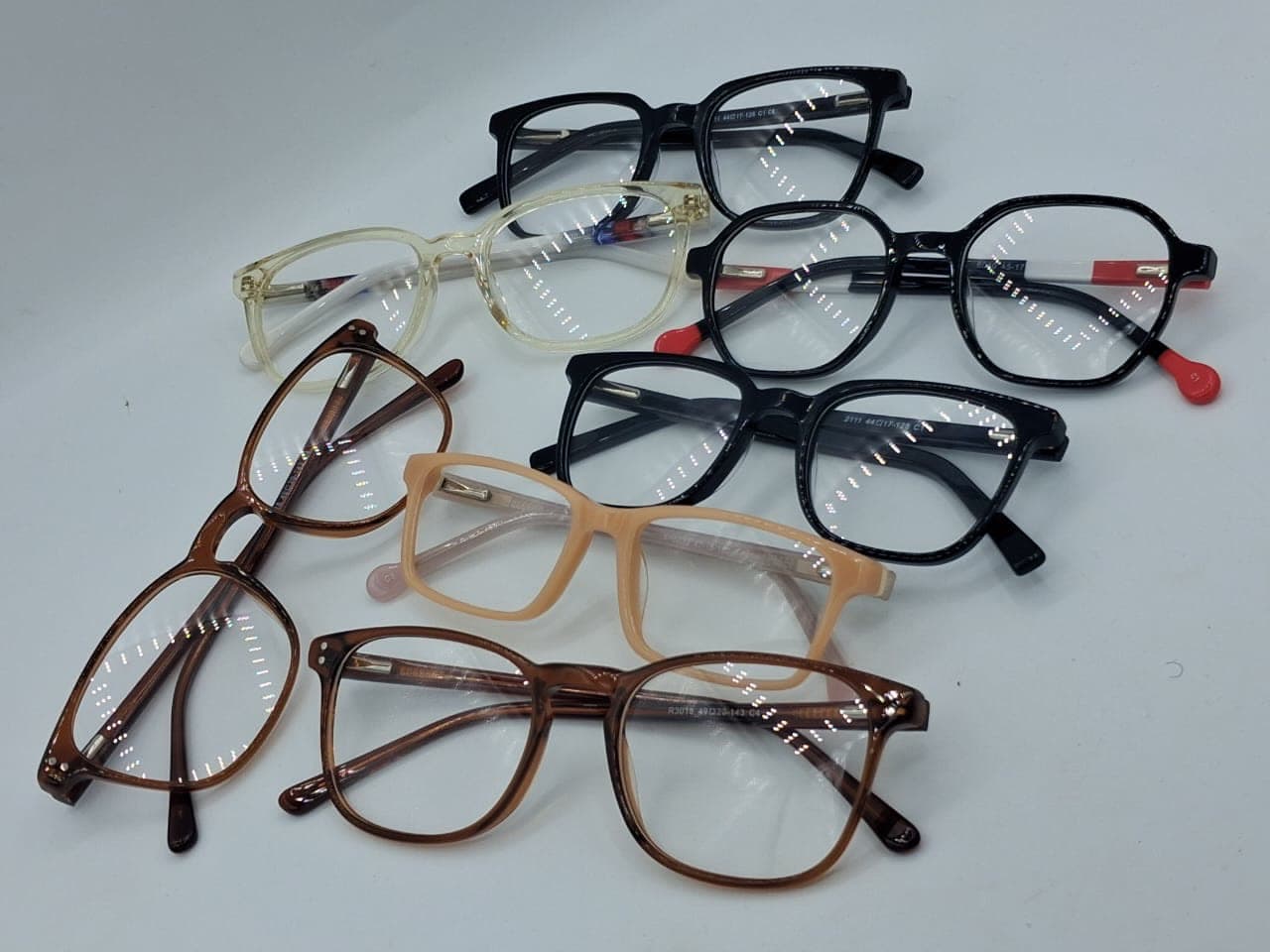
Illustrative photo
How long does it take to get new glasses?
At Niss Optique Médical, most glasses are ready in 24 hours, including those with progressive lenses. Special-order and specialty lenses take 10 working days.
For comparison, the French opticians' websites that top the search results on this question usually quote one to two weeks for a pair of prescription glasses. So 24 hours is quick, and 10 working days is about average. Either way, it is shorter than the time most of us spend hunting for our old pair under the sofa cushions.
What is the difference between a quick lens and a special-order lens?
It comes down to how the lens is made. Some lenses already exist, ready-made, for the most common prescriptions: they only need to be cut to the shape of the frame and fitted. Others have to be made for one person in a lens factory, then coated, checked and shipped. That is a special-order lens.
A special-order lens is not better or worse. It is made to measure because the prescription or options you need are not available off the shelf. Think of a suit: most sizes hang on the rail, and the rest go to the tailor.
We have already covered what makes lens prices vary in a separate article. This one is only about time.
What can turn a lens into a special order?
In optics generally, a lens goes to order when your prescription or your choices are out of the ordinary. The cases below are common examples, not the practice's own rules: only the quote, based on your prescription, says which delay applies to you.
- A strong or unusual prescription, for example with marked astigmatism.
- A particular material, such as a thinned lens for a strong prescription.
- Some tints or coatings added to the lens.
- A specialty lens designed for one specific use.
The MSD Manuals, a medical reference written for the public, note on their page about corrective lenses (updated January 2026) that lenses come in several materials, with tints, with coatings that darken in sunlight, and as bifocal, trifocal or progressive designs. The rarer the combination, the more likely it has to be made from scratch. Your eyes are one of a kind, which is flattering, but it can cost a few days.
What happens during those 10 working days?
First the lens is made to your prescription, then it receives the coatings you chose. Next it is checked: if it does not match the order, it has to be made again, because a faulty lens cannot be fixed. Finally it is cut to the shape of your frame and fitted to match the distance between your pupils.
The count is in working days, so weekends and public holidays do not count. An order placed on a Friday will not be ready the following Monday, however politely you ask.
What should you do while you wait?
If you have an older pair, keep it close, especially for the road. As an example, in the UK the government's official page on driving eyesight rules (GOV.UK) says you must wear glasses or contact lenses every time you drive if you need them to meet the vision standard, and that you must be able to read a number plate from 20 metres. We do not quote Cameroon's rule here, but common sense travels well.
On payment, the practice accepts instalments, as long as everything is settled before you collect your glasses. Use the ten days to finish paying, and collection day becomes the easy part.
This article is general information and does not replace an eye exam. If you have eye pain, a red eye or a sudden loss of vision, do not wait for your glasses: see an ophthalmologist without delay.
How do I find out how long my lenses will take in Yaoundé?
Ask for a quote based on your prescription. Send a photo of it on WhatsApp to 699 27 75 97, or call 651 10 22 00 or 651 88 59 90, and the practice will tell you whether your lenses will be ready in 24 hours or go to order for 10 working days.
If you do not have a recent prescription, the eye exam is carried out at the practice by a refracting optician registered with the ONOC, Cameroon's national order of opticians. It costs 5,000 XAF, and it is free if you buy your glasses the same day. Frames range from 10,000 to 100,000 XAF.
Niss Optique Médical, a licensed optical practice, is at Descente Fanta Citron, Mvog-Ada, opposite the Direction des Mines, open Monday to Friday, 8:30 to 17:30, Saturday and public holidays, 9:00 to 15:30, and Sunday by appointment.
Frequently asked questions
- How long do glasses take at Niss Optique Médical?
- 24 hours, progressive lenses included. Special-order and specialty lenses take 10 working days.
- What is a special-order lens?
- A lens made specifically for a prescription or options that are not available ready-made. It has to be manufactured, coated and checked before it is fitted.
- Are progressive lenses always special-order?
- No. At Niss Optique Médical, glasses with progressive lenses are also ready in 24 hours. The exact delay depends on your prescription and the options you choose.
- How do I know whether my lenses will take 24 hours or 10 days?
- Send a photo of your prescription on WhatsApp to 699 27 75 97. The practice gives you the delay and the price in its quote.
Written by the Niss Optique Médical team, under the responsibility of its ONOC-registered refracting optician (N° 155/ONOC/2023).
This article gives general information. It does not replace an eye exam. For pain, a red eye or a sudden loss of vision, see an ophthalmologist.